The honest answer to how long to grow cannabis is somewhere between about two and a half months and seven months, depending on whether you picked an autoflower or a photoperiod, whether you are growing indoors or out, and how patient you are about the part everyone forgets: drying and curing. The forum answer of “about four months” is roughly true for a fast indoor photoperiod, too long for the fastest autos, and far too short for a slow sativa-leaning photoperiod outdoors in Ontario.
This post lays out how long to grow cannabis stage by stage, with realistic week counts for each phase, the difference between autos and photoperiods, and the practical reasons your timeline will slip from the box-art numbers. If you are buying seeds and trying to plan when you will actually have dry, smokable flower, this is the page that should answer it.
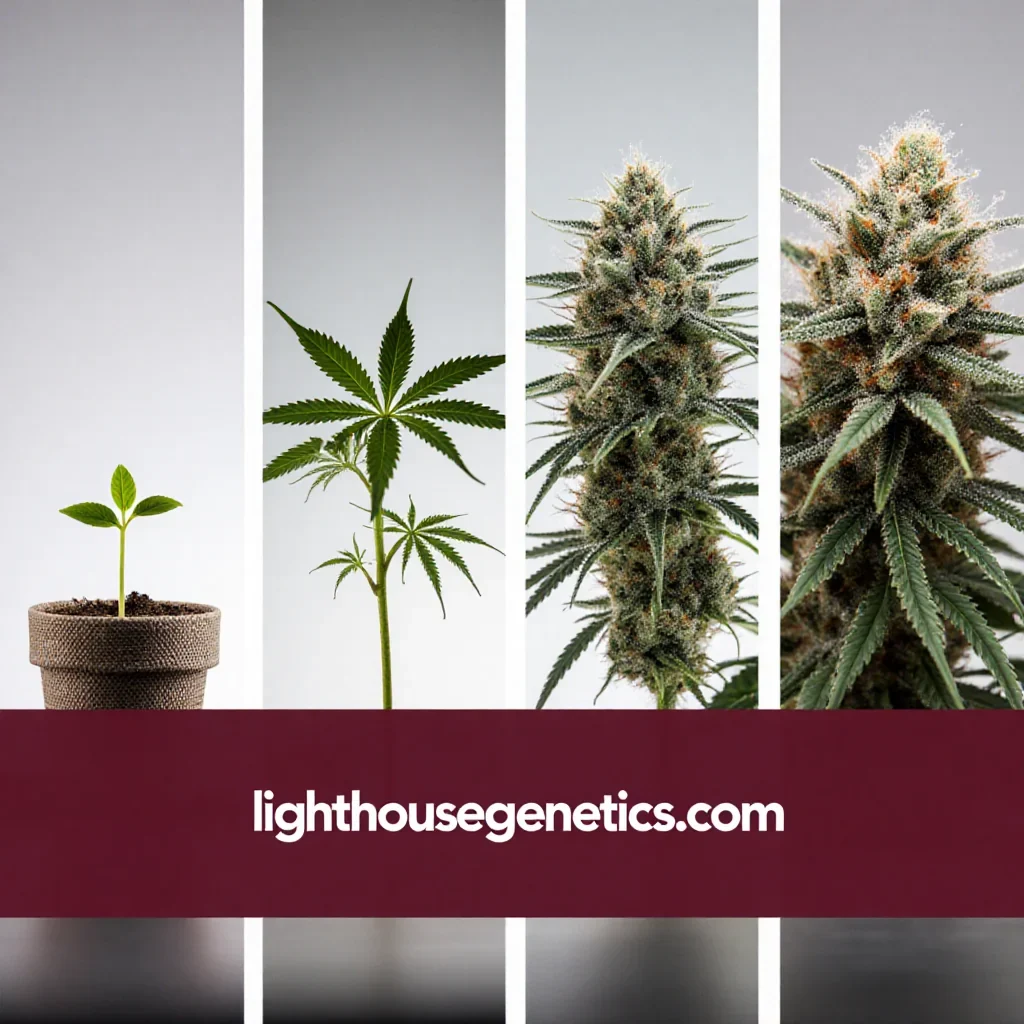
How long to grow cannabis from seed to jar, in plain numbers:
The single biggest variable in how long to grow cannabis is the seed-type decision. The choice of autoflower vs photoperiod shifts how long to grow cannabis by months, not weeks. Autoflowers run on an internal clock and finish in roughly the same number of weeks regardless of your light schedule. Photoperiods are slaves to day length and can be held in vegetative growth for as long as you want before you flip them. That choice alone can swing your timeline by two months, which is why the autoflower vs feminized decision is the first thing to settle before you buy.
Germination is the first leg of how long to grow cannabis from seed, and it is the cheapest leg to get wrong. You start with a dry, dormant seed and end with a taproot punched out and a baby plant in soil or media. Fresh seeds in warm, moist conditions often show a root in one to three days, and anything up to about a week is normal; sown in soil, the shoot takes longer to surface (about 8 days on average at 20°C (68°F) in a 2024 hemp study). Older seeds can take a week or more, so give them up to two weeks before you call them dead.
The germination phase does not look like a lot of progress, but the plant is doing real work — pushing the taproot down, cracking the shell, getting the cotyledons (the two embryonic leaves) above the medium. We covered the actual mechanics in our germinating cannabis seeds guide. The short version: warm (21-26°C / 70-79°F, inside the 19-30°C (66-86°F) band where hemp seed germinated best in a 2022 study), moist but not wet, no nutrients. If your seeds are not popping, check the temperature first, then moisture; both are easy to fix.
Time added to total grow: 3-10 days. Call it one week for planning.
From the moment your sprout breaks the surface until it has three or four sets of true leaves and an established root system, it is in seedling stage. This is where new growers often worry, and where timelines can start to slip. Seedlings look fragile and they grow slowly. That is normal. The plant is building roots before it builds canopy.
As a grower rule of thumb, plan on about two to three weeks for the seedling stage. Growers commonly give seedlings about 18 hours of moderate light (autos and photos alike) and little or no feed; that’s common practice rather than a trial result. Go easy: a seedling that stalls adds time to how long to grow cannabis overall rather than saving it.
Time added: 2-3 weeks. Running total: 3-4 weeks from seed.
This is where the auto vs photo split changes how long to grow cannabis dramatically.
A photoperiod plant on an 18-hour light schedule (or long natural summer days outdoors) will stay in vegetative growth indefinitely. You decide when to flip it to 12/12 indoors, or the shortening day length triggers it outdoors. Many indoor growers veg for 3-6 weeks after the seedling stage, sized to the tent. Outdoor growers in the Northern Hemisphere veg from May through July — roughly 8-12 weeks of vegetative growth after the seedling stage, before the natural flower flip in late July or August.
If you have a small tent, short veg keeps plants manageable. If you want bigger yields, longer veg builds the frame the flowers will sit on. Either way, this stage is the most flexible piece of how long to grow cannabis for photoperiods.
Autoflowers do not care about your light schedule. They start flowering on their own internal clock: in university hemp trials in Arizona and Wisconsin, autos were half in flower about 4 to 6 weeks after sowing. You cannot extend veg on an auto by giving it more light hours. The plant usually keeps stretching for a few weeks after it starts flowering, but you cannot hold it in veg to build a bigger frame. That is why autos are smaller and faster: the plant is structurally committed to its own clock.
Time added for vegetative: 3-6 weeks for indoor photos, 8-12 weeks for outdoor photos, and little extra for autos, whose short veg overlaps the seedling weeks. Running total when flowering starts: about 4-6 weeks for autos, 6-10 for indoor photos, 11-16 for outdoor photos.
Flowering is where the plant actually makes the flowers you came for. The stretch — the burst of stem growth many growers see in the first few weeks after the flip — happens in the first half of flowering (how long it lasts varies between studies; see our flowering stretch guide). The bud development, swelling, and trichome ripening happen in the second half. This is the most resource-intensive phase, and light here drives how much you harvest: in a 2021 University of Guelph study of one cultivar, yield rose steadily with light intensity during flowering, while cannabinoid potency did not change.
Flowering timelines by strain type:
Strain type is only a rough guide to how long to grow cannabis. Across the photoperiods we stock, indica-leaning, hybrid and sativa-leaning strains overlap heavily, and most of every group is listed at 8 to 10 weeks of flowering.
One nuance buyers miss: the listed “flowering time” on photoperiod product pages is the flowering phase only. The “flowering time” on autoflower product pages is the entire seed-to-harvest window. Always read the description text to confirm which clock the breeder is using.
The end of flowering is decided by trichome color, not by a calendar. We wrote the long version in our when to harvest cannabis guide — the short version is to check trichomes under at least 30× magnification and, as a common rule of thumb, harvest when most are milky white with a small fraction amber. Treat the listed time as an estimate: your plant can finish a little earlier or later.
Time added: 7-12 weeks for photoperiods (8-10 for most), 5-8 weeks for autos.
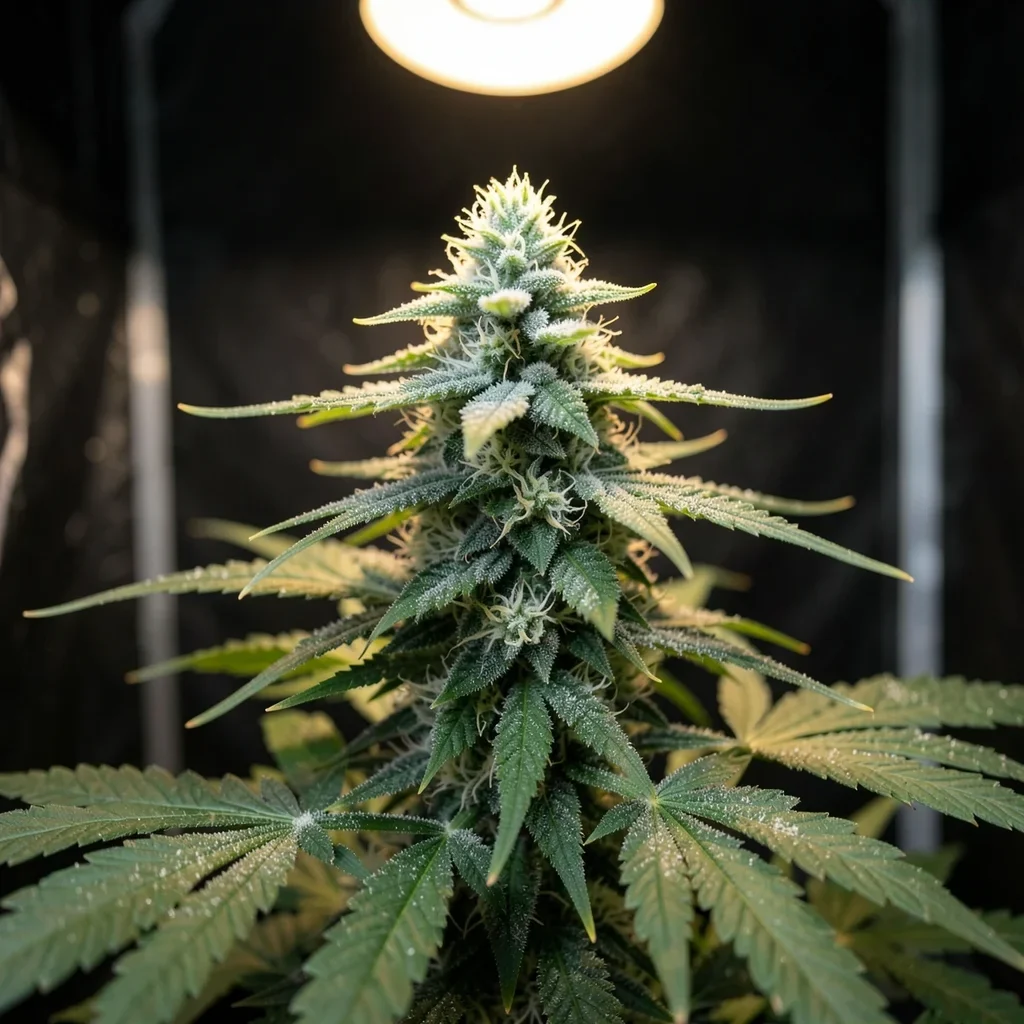
This is the stage that blows up most beginner timelines for how long to grow cannabis. You spent months growing the plant. You are not finished when you chop. You are finished when the buds are dry and cured.
When you work out how long to grow cannabis, plan for 3-6 weeks total between chop and the first joint you actually enjoy. Bud can be smoked straight off the dry, but growers widely report that uncured bud tastes grassy and smokes harsh; that’s grower experience rather than a tested result.
Time added: 3-6 weeks. Running total: see the table below.
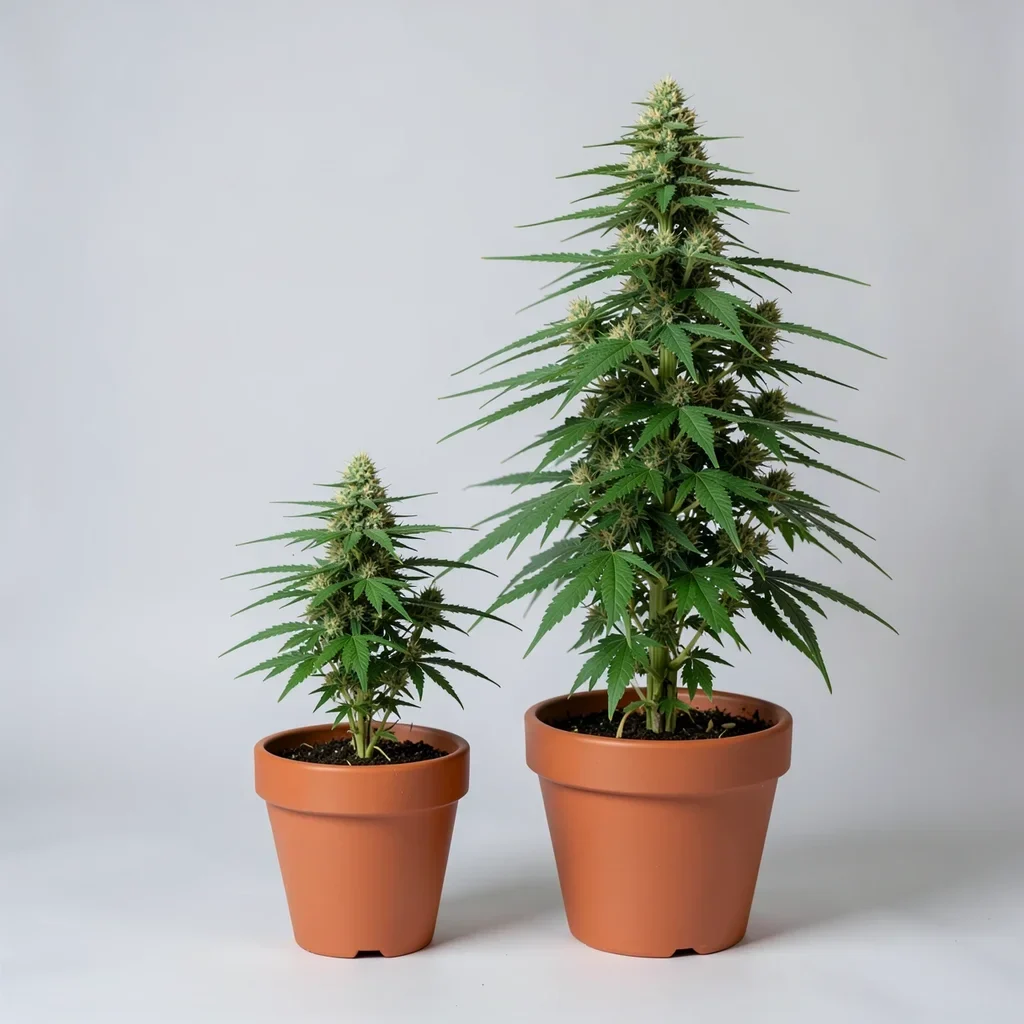
Two paths, real numbers. The stages overlap a little and few grows hit the slow end of every row, so the totals are realistic seed-to-jar ranges for how long to grow cannabis, not the sum of every top number:
| Stage | Autoflower (indoor) | Photoperiod (indoor) | Photoperiod (outdoor NH) |
|---|---|---|---|
| Germination | 3-10 days | 3-10 days | 3-10 days |
| Seedling | 2-3 weeks | 2-3 weeks | 2-3 weeks |
| Vegetative | Short; overlaps seedling (flowers ~week 4-6) | 3-6 weeks | 8-12 weeks |
| Flowering | 5-8 weeks | 7-12 weeks | 7-10 weeks |
| Drying + curing | 3-6 weeks | 3-6 weeks | 3-6 weeks |
| Total | 11-19 weeks | 16-26 weeks | 5-7 months |
Worth saying again: how long to grow cannabis is dominated by two choices — auto vs photo, and indoor vs outdoor. Get those right for your timeline and the rest is execution. If you want bud in your jars before the snow flies and you are starting in July, an autoflower is the safest bet, though a fast photoperiod indoors can still make it. If you have all summer and a backyard, an outdoor photoperiod will usually give you the biggest yield per plant.
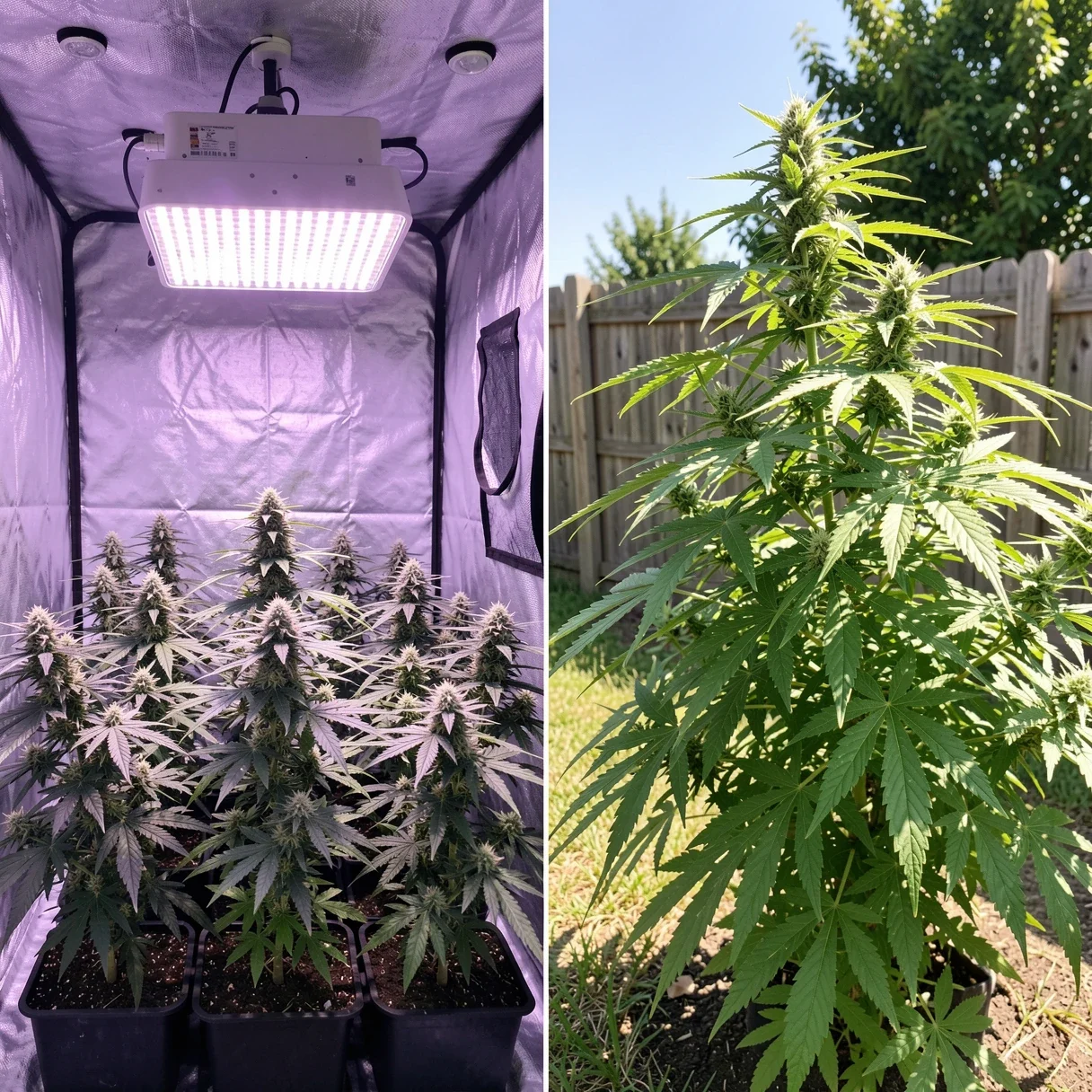
The same seed in an indoor tent and in a backyard plot will not take the same amount of time. Outdoor plants veg longer (the natural day length keeps them in growth from May through late July), flower on the sun’s schedule (August-October), and finish in late September or October, depending on the strain.
Indoors, you control everything: 18/6 for veg, 12/12 for flower, room temperature steady, humidity managed. The breeder’s listed flowering time is your best starting estimate, but it comes from someone else’s grow, so check the trichomes rather than the calendar. Outdoors, the plant runs on the sun and the climate. Leave yourself some margin past the indoor number, especially in the northeast of Canada or the cooler parts of the Eastern US where late-season rain and cold can push the harvest window dangerously close to first frost.
This is also why outdoor growers where fall comes early do well to favor autos or fast-flowering photoperiods; where the season is long, a photoperiod gives far more per plant (see autoflower vs feminized). Outdoors you can’t choose when a photoperiod flips: shortening days trigger it, usually from late July into August. If your photoperiod needs 11 weeks of flowering and your first frost is October 5, it would have to flip by about July 20, and most won’t. Pick a strain whose flowering time fits between your local flip and your frost date. Cutting it close on how long to grow cannabis outdoors is how you end up harvesting wet, moldy buds in a thunderstorm.
Three real-world reasons how long to grow cannabis ends up longer than you plan:
In Canada, the Cannabis Act allows four plants per household at any one time, but provinces add their own rules: Quebec bans home growing, and Manitoba allows it indoors only. US states set their own limits. With a small plant count, the calendar matters more. Pick strains whose timelines actually fit your season. (For the legal text, see Canada’s Cannabis Act.)
If you want to cut how long to grow cannabis, the strain itself does a lot of work. Picks at different points on the timeline curve:
Browse all autoflower seeds or all feminized seeds and use the Flowering Time filter, then check each strain’s listed time on its product page.
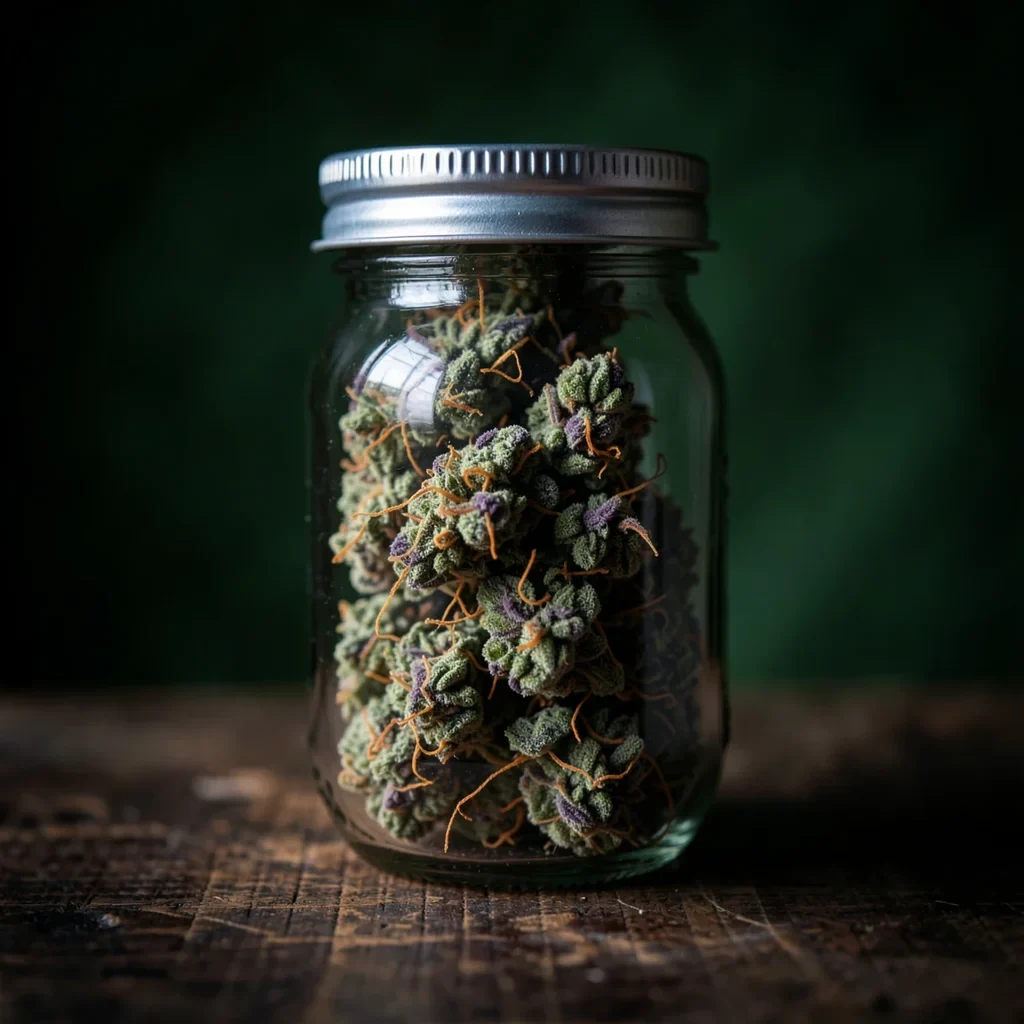
How long to grow cannabis from seed to a jar of cured flower depends on the path you pick. How long to grow cannabis is realistically 11-19 weeks for indoor autoflowers, 16-26 weeks for indoor photoperiods, and 5-7 months for outdoor photoperiods in North America. The single biggest lever is auto vs photo. The single most underestimated leg is drying and curing. Plan for both honestly and the rest is craft.
If you are matching a strain to a season or a tent size, start with how to choose cannabis seeds, then narrow by flowering time on the product page. The answer to how long to grow cannabis is always strain-specific in the end — there is no universal number that beats reading the actual product page of the strain you are about to grow.
Shop Autoflower Seeds | Shop Feminized Seeds | Autoflower vs Feminized | When to Harvest
From seed to a cured jar, about 11 to 19 weeks for an indoor autoflower, 16 to 26 weeks for an indoor photoperiod, and 5 to 7 months for a photoperiod grown outdoors. That’s how long to grow cannabis once drying and curing are counted, not just the time to harvest.
Not to a cured jar. Our quickest autos are listed at about two months from seed to harvest (Banana Sherbert Autoflower, for example, at 8 to 9 weeks), and drying and curing add at least three more weeks. So 60 days is roughly how long to grow cannabis to the chop on a fast auto, not to smokeable bud.
About eleven to nineteen weeks from seed to cured bud is the realistic range for indoor autoflowers. Quick strains like Banana Sherbert Autoflower, at a listed 8-9 weeks from seed, can be done in about eleven to thirteen weeks once you add a dry of a week or two and a two-week cure.
Five to seven months for photoperiod outdoor grows in the Northern Hemisphere: seeds started indoors in April-May, transplanted out in late May or early June, flowering through August-September, harvested September-October, cured through October-November. Autoflowers outdoors finish faster — about three months from seed to harvest in a University of Wisconsin hemp trial.
Modestly, yes — pick a fast-finishing auto, run optimal environment indoors, and do not skimp on the cure. Shaving a week or two off how long to grow cannabis with a faster strain and a shorter veg is realistic. Skipping the dry and cure is not.
Two reasons. First, the listed time is the breeder’s estimate for a well-run indoor grow; your environment and phenotype can differ. Second, the listed “flowering time” does not include drying and curing, which add three to six weeks on the back end. Build those weeks into your plan from the start.
Total elapsed time, yes — outdoor grows include 8-12 weeks of vegetative growth driven by the long summer days, where an indoor grower might only veg 4 weeks. Flowering then runs on the sun’s schedule, finishing in late September or October. Net: outdoor totals are usually 5-7 months versus 4-6 months indoor.
Keep reading
Browse all guides to growing cannabis by topic, from germination to harvest.
Ready to grow? Browse premium seeds from Lighthouse Genetics:
Designed & Built by Wynne Web Design