From a backyard in upstate New York to a hidden plot in southern Ohio, the Eastern half of the United States shares one defining feature: humid continental climate. Hot sticky summers, cold winters, and a fall that can flip from beautiful to soaking wet in 48 hours. If you grow what works in California or Arizona, you will lose your harvest. Growing cannabis outdoors in the Eastern US is a different game, and most of the “ultimate USA outdoor guides” floating around online treat the country like one big region. It is not.
This guide is built for the people who actually live where it matters — Ohio, Virginia, New York, Michigan, Kentucky, Pennsylvania, and the rest of the eastern half of the country. The climate is close enough to Ontario and southern Quebec that our province-by-province Canada guide covers a lot of the same ground. If you are growing in Maine or northern Michigan, read that one too.
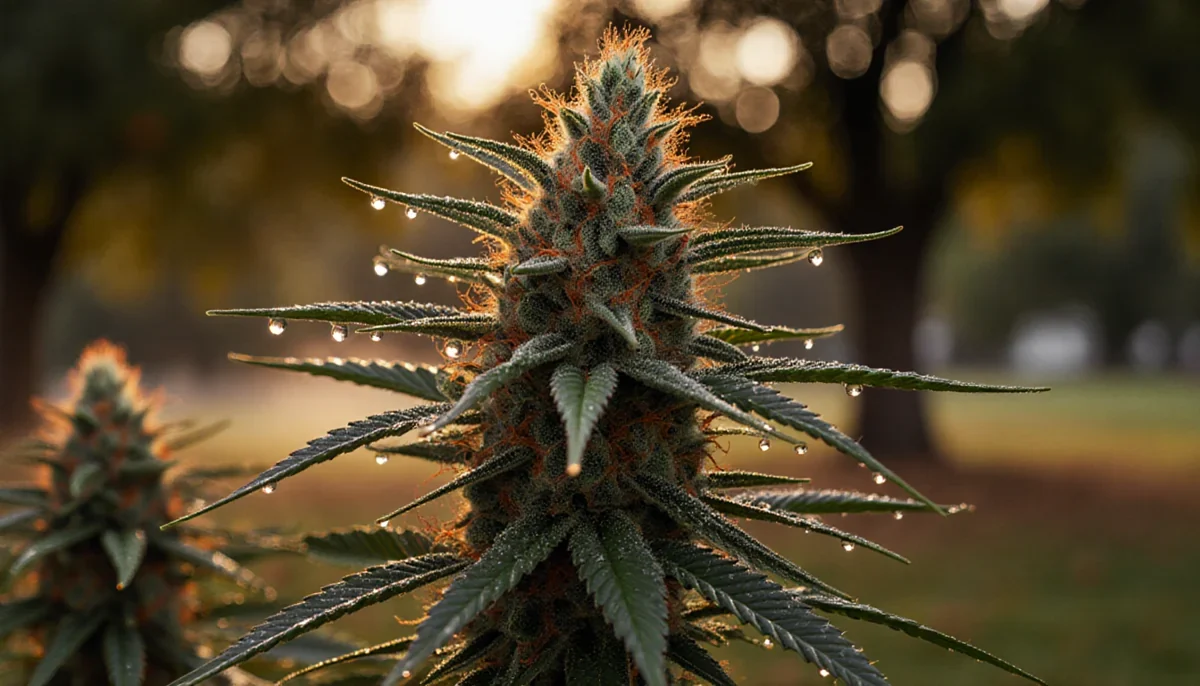
USDA hardiness zones 5 through 7 cover almost everything east of the Mississippi and north of Tennessee. That includes New York, Ohio, Michigan, Pennsylvania, Indiana, Illinois, Virginia, Kentucky, and the Mid-Atlantic. The defining trait is humid continental — four real seasons, summer dew points above 70°F for weeks at a time, and a frost-free window that runs from roughly Memorial Day to early October.
Here is the rough season window by region:
| Region | USDA Zone | Last Frost | First Frost | Season Length |
|---|---|---|---|---|
| Upstate NY, Northern Michigan | 4b–5b | Late May | Late September | ~120 days |
| Ohio, Pennsylvania, Southern NY | 5b–6b | Mid May | Early October | ~140 days |
| Virginia, Kentucky, NJ | 6a–7b | Late April | Mid October | ~165 days |
That difference matters. A plant that finishes comfortably in Virginia will get caught in October frost in upstate New York. Every other decision in this guide flows from your frost dates, so look yours up before you buy a single seed.
Forget pests. Forget thieves. Forget the neighbour’s nosy dog. The thing that ends most attempts at growing cannabis outdoors in the Eastern US is botrytis — bud rot. September brings cool nights and warm humid days, and that is exactly the temperature swing that turns dense flowers into grey mush from the inside out. By the time you see it, the cola is already gone.
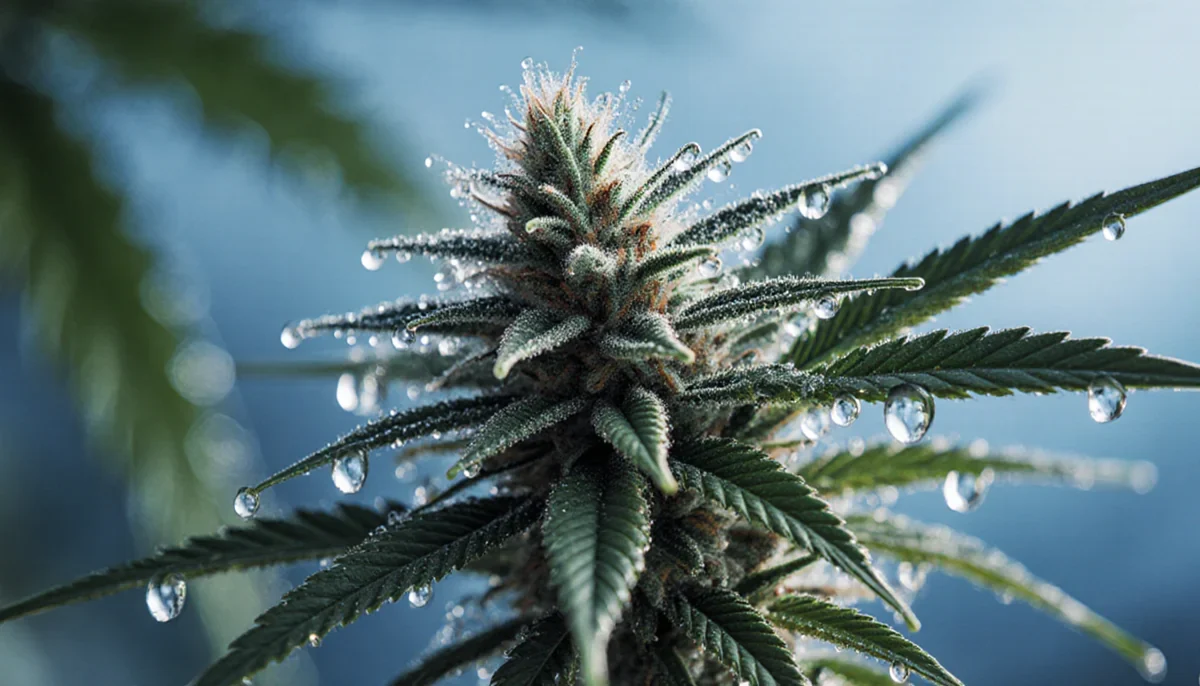
Three things tilt the odds in your favour when growing cannabis outdoors in the Eastern US. Pick mold-resistant genetics — airier sativa-leaning structures handle humidity better than tight indica nugs. Defoliate aggressively in mid-flower so air can move through the canopy. And finish before the heaviest fall rains arrive. That last one is the whole game.
This is why autoflowers have become the default choice for so many Eastern growers. An auto planted in late May is harvested by early September, well before the worst of the wet weather. A photoperiod planted at the same time is just starting to swell when the rain comes.
This is the first real decision you have to make when growing cannabis outdoors in the Eastern US, and the answer depends on where you actually live. We covered the broader differences in our autoflower vs feminized breakdown — read that for the full background. The short version for outdoor Eastern growers is below.
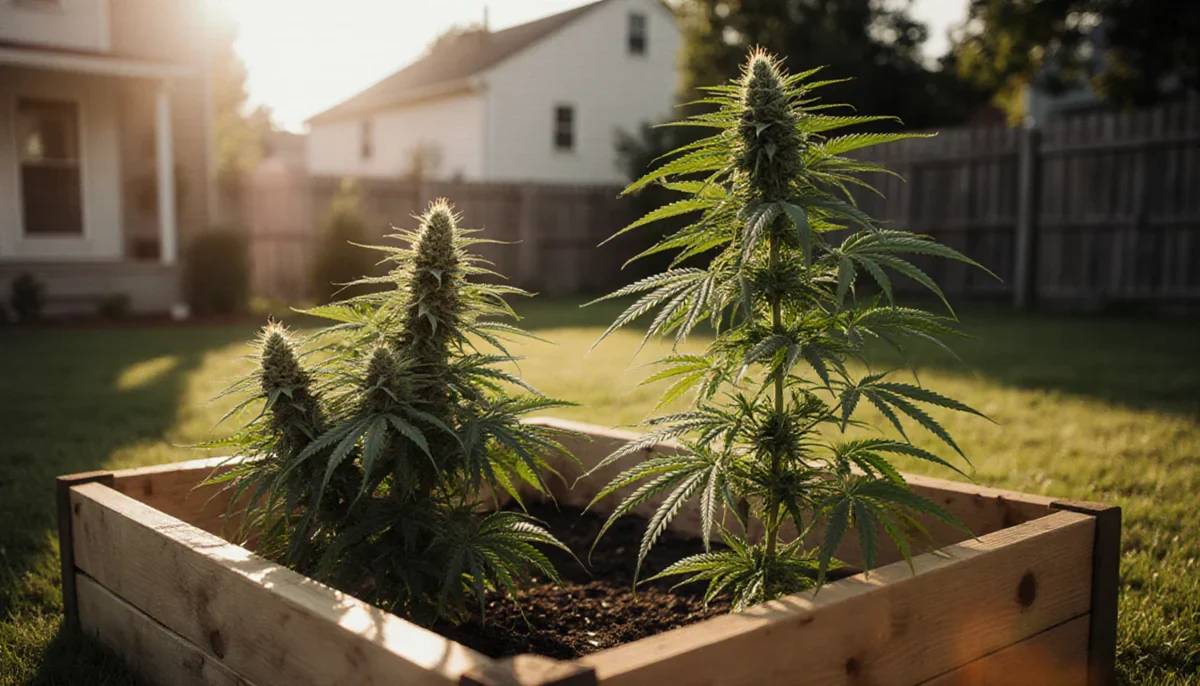
Autoflowers win when: you live in zone 5 or colder (upstate NY, northern Michigan, parts of Ohio), your season is short, you want to dodge October entirely, or this is your first outdoor grow. They are forgiving, fast, and you can squeeze two harvests into one season if you start the second batch in early July. A few worth looking at for short Eastern seasons: Bruce Banner Autoflower, Moby Dick Autoflower, White Widow Autoflower, and Mazar Autoflower — Mazar in particular is built for short cool summers.
Photoperiods win when: you are in zone 6b or warmer (Virginia, Kentucky, southern Ohio, NJ, Maryland), you have time to let plants stretch, and you want the bigger yields photos can deliver. Look for sativa-leaning or skunk-heritage genetics that handle humidity. Durban Poison, Northern Lights Skunk, Super Skunk, and Jack Herer are all proven outdoor finishers in this part of the country.
If you cannot decide, plant both. A few autos and a few photos in the same garden gives you a staggered harvest and a built-in backup if one batch gets hammered by weather.
Climate generalities only get you so far. Here is what growing cannabis outdoors in the Eastern US actually looks like in the five states where most of our customers live.
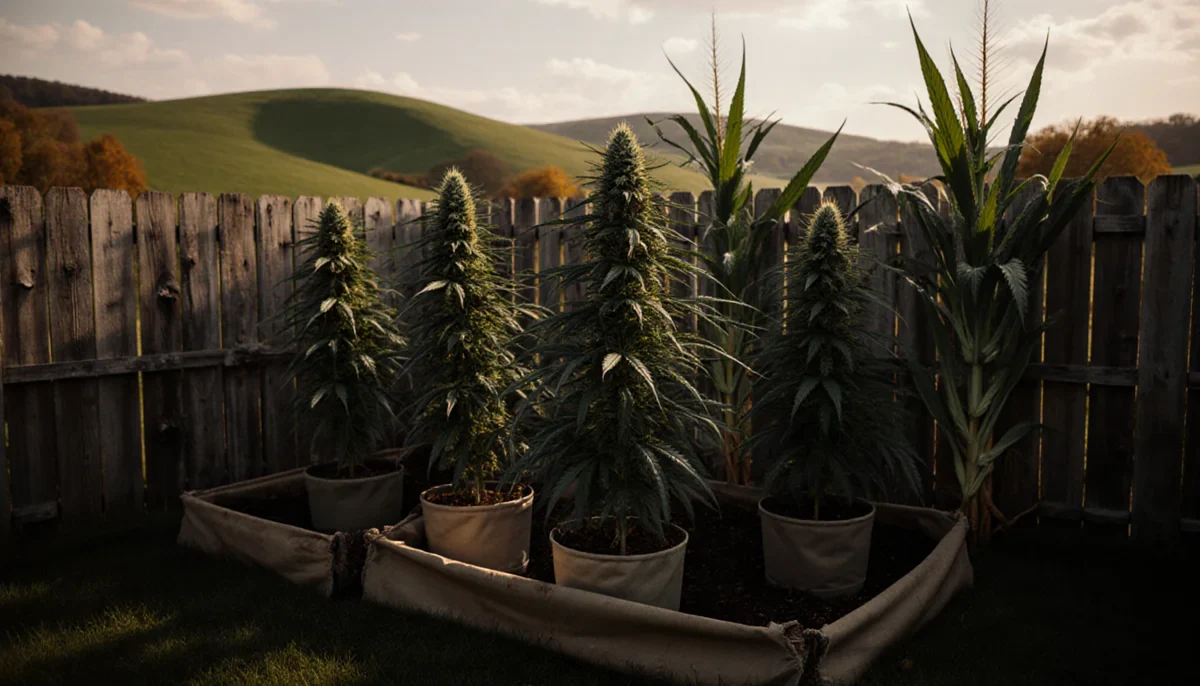
Ohio sits in zones 5b to 6b, with frost-free dates roughly May 15 to October 10. Roughly 140-150 days of season — long enough for either autos or most photoperiods, short enough that you cannot waste April. The trouble spot is mid-August through September, when humidity climbs and stays climbed. Pick mold-resistant strains, defoliate hard, and do not plant Romulan or anything else famous for chunky baseball-bat colas. Northern Lights Skunk is a strong default — short, fast, and forgiving.
Virginia growers have it easier than almost anyone else east of the Mississippi. Zones 6a to 7b, frost-free from late April to mid October — that is roughly 165 days, the longest window in the Eastern US. Photoperiods thrive here. The catch is summer thunderstorms and the deer population, which is enormous. Build a fence. Durban Poison is the pick — pure sativa, finishes before the worst fall weather, and the airy bud structure shrugs off humidity.
New York is not one climate, it is three. The Hudson Valley and Long Island feel almost like Virginia — zone 6b/7a, long warm season, photoperiod-friendly. Central New York is more like Ohio. The Adirondacks and the North Country are zone 4, with a season that barely cracks 100 frost-free days. If you are upstate, autoflowers are the only sensible choice — try Bruce Banner Autoflower or Blueberry Lemon Haze Autoflower. If you are downstate, you can run almost anything.
Michigan is the most Canada-like state on this list. Lake-effect humidity from the Great Lakes, cool nights, and a fall that can turn ugly fast. Zones 5a to 6b. The growing playbook is almost identical to southern Ontario, which is why we keep linking back to our Canada guide — the strain picks and the timing line up. White Widow Autoflower and AK-59 Autoflower are both proven in this climate.
Kentucky has one of the longest seasons on this list — nearly identical to Virginia. Zones 6a to 7a, frost-free from late April through mid October. The challenge is heat and humidity in July and August, not the fall. Plants need extra water in midsummer and good airflow at all times. Photoperiods do well here. Jack Herer and Super Skunk are both classic outdoor performers in this climate.
A few things apply to growing cannabis outdoors in the Eastern US no matter which state you are in.
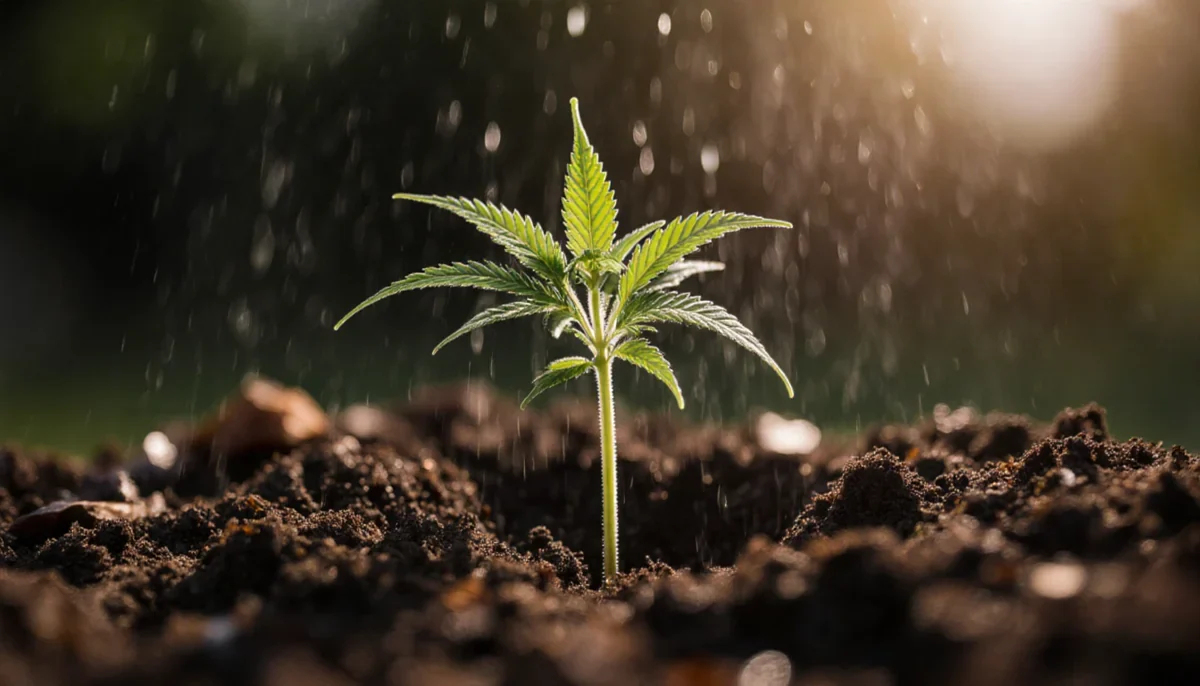
Start indoors. Get your seeds going under a cheap shop light four weeks before your last frost. By the time it is safe to plant out, you have a hardened seedling instead of a vulnerable sprout. This is the single biggest difference between a struggling first-time grow and a smooth one. Our guide to germinating and starting seeds walks through the whole process.
Amend your soil. Most of the Eastern US sits on heavy clay — Ohio, Virginia, Kentucky, and large parts of Pennsylvania especially. Cannabis hates wet feet. Dig a hole twice as big as you need, mix the native soil 50/50 with compost and perlite, and you will solve drainage problems before they start.
Water less than you think. Eastern humidity does half the work for you. New growers from drier climates often overwater here and get root rot. Stick a finger two inches down — if it feels damp, do not water.
Pest management. Deer are the number one outdoor cannabis pest in the Eastern US. Number two is raccoons, which will literally tear plants apart in late flower out of curiosity. Number three is caterpillars — inspect for them every other day starting in August, because their poop turns into mold faster than the weather does.
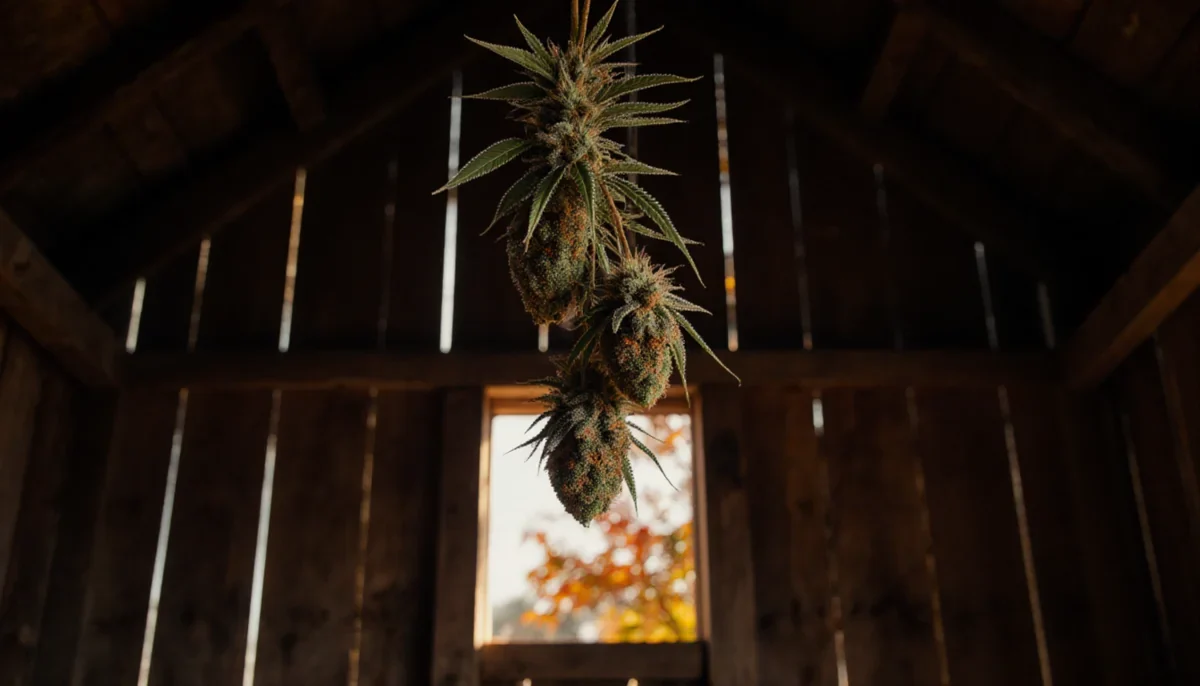
Drying matters more in humid climates. If you spent five months babying your plants and then hang them in a humid garage to dry, you will get mold during the dry. Use a dehumidifier or a climate-controlled room. Aim for 60°F and 60% humidity.
If you want the short list — the strains we would actually recommend to a friend growing cannabis outdoors in the Eastern US for the first time — these five cover almost every situation.
If you want a wider selection, our best strains for beginners post has more options, and how to choose cannabis seeds walks through the decision process from scratch. You can also browse the full autoflower seed collection if you want to keep things short and simple.
After your last frost, which ranges from late April in Virginia and Kentucky to late May in upstate New York and northern Michigan. Look up your specific frost date — the National Weather Service has historical averages for every county. Plant a week or two after the last expected frost to be safe.
For most growers in zones 5 and 6, yes. Autoflowers finish before the worst of the September rains and avoid the bud rot risk that wipes out so many photoperiod harvests. In zones 6b and 7 (Virginia, Kentucky, southern NJ), photoperiods are still the better choice if you want maximum yield.
Picking dense indica strains. Big chunky baseball-bat colas look great in photos but they trap moisture and rot from the inside out in Eastern humidity. Stick with sativa-leaning, skunk-heritage, or airier indica genetics, and your harvest will survive the fall.
Depends entirely on the state. New York, Virginia, New Jersey, Michigan, Connecticut, Maryland, Vermont, and a handful of others allow personal home cultivation. Ohio, Pennsylvania, Kentucky, and many Southeast states do not, even though some have medical programs. Always check current state law before planting — laws are changing fast. The NORML state law page is a reliable starting point.
No. Even in the warmest parts of Virginia or Kentucky, winter frosts will kill outdoor plants. The growing season runs roughly May to October. If you want year-round production, indoor or greenhouse growing is the only option.
Growing cannabis outdoors in the Eastern US comes down to three things: know your zone, beat the rain, and pick mold-resistant genetics. Get those right and the rest is just gardening. Pick a strain that does not match your climate and you will lose months of work to bud rot in the last two weeks of flower. We have seen it happen too many times.
If you are in Michigan or upstate New York, the playbook is almost identical to growing in southern Ontario — read the Canada outdoor guide alongside this one. If you are in Virginia, Kentucky, or the southern Mid-Atlantic, you have it easier than the rest of us. Use the longer season.
Mac selects for outdoor performance in the Ontario climate, and that work pays off everywhere from Maine to Michigan to the Ohio River. If you want to start with the strains that have already been tested in this kind of weather, the autoflower collection is the easiest place to begin.
Shop all seeds | Canada Outdoor Guide | Autoflower vs Feminized | Best Strains for Beginners
Want to keep learning? Browse our full library of guides to growing cannabis — everything from germination to harvest, in one place.
Ready to grow? Browse premium seeds from Lighthouse Genetics:
Designed & Built by Wynne Web Design