Pop ten seeds from the same cross and you will not get ten identical plants. One stretches tall and stinks of diesel. One stays squat and turns purple in the third week of flower. One barely yields but coats itself in resin like it is trying to prove a point. They share the same parents — and they are not the same plant.
That gap between what is written in the genes and what actually shows up in the grow room is the whole reason phenotype hunting exists. Phenotype hunting is the process of growing out a population, watching which plants express the traits worth keeping, and pulling those individuals out to clone and breed from. The keepers become mothers. The rest become compost or smoke. This is how almost every strain you have ever heard of got locked in, and it is the slow, unglamorous work behind every line Mac breeds at Lighthouse Genetics.
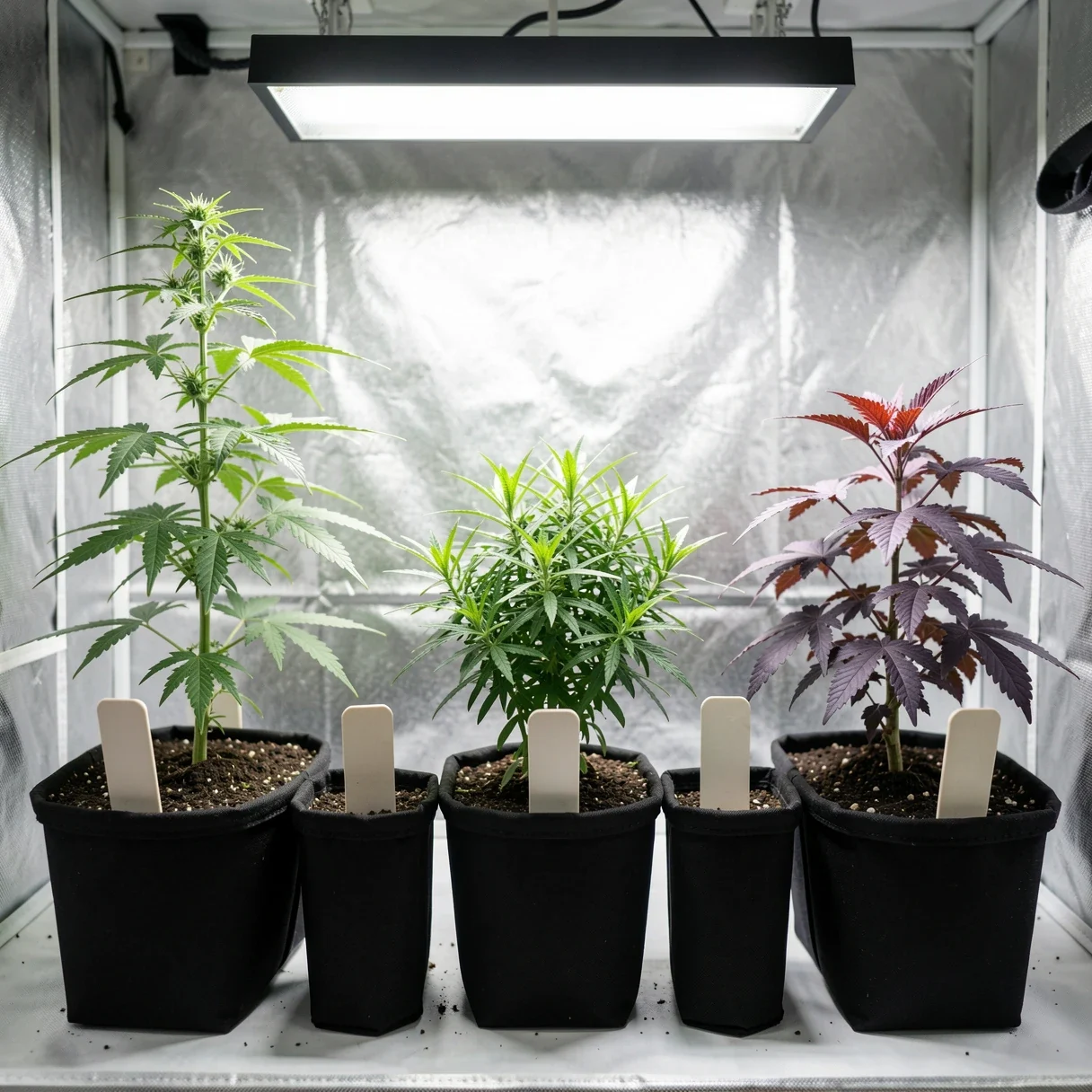
Two words do the heavy lifting here. The genotype is the full genetic code a plant carries — the deck of cards it was dealt. The phenotype is how that code actually expresses once the plant grows under real light, real temperature, and real feeding. Same genes, different conditions, different result. That is why your buddy’s cut of a strain can look nothing like the one you ran.
But it goes deeper than environment. When two parent plants are crossed, their offspring shuffle the genetic deck — each seed inherits a slightly different mix. The more genetically diverse the parents, the wider that spread. Researchers mapping the genetic structure of cannabis have shown just how much hidden variation sits inside strains that look uniform on a menu. So a pack of seeds is not one plant in ten copies. It is ten relatives, each expressing the cross a little differently.
Those individual expressions are the phenotypes. Finding the best one is what phenotype hunting is all about.
There is no single rulebook, but the shape of a phenotype hunting run is consistent across breeders. Whether it is a closet grow or a commercial room, phenotype hunting follows the same handful of steps. It goes something like this.
Pop a population. You cannot hunt three seeds. A small home hunt might start with a dozen; a serious commercial hunt runs hundreds to give the rare standout a chance to show up. More plants, better odds — that is the entire logic.
Label everything, day one. Every plant gets a number or a name and stays tagged from germination to harvest. The moment you lose track of which plant is which, the hunt is dead. You cannot select a keeper you can’t identify.
Grow them all the same. Same light, same pots, same feed, same schedule. The point of phenotype hunting is to see how the genetics differ, so you hold the environment constant and let the plants reveal themselves. If one plant gets a better spot under the light, you have no idea whether it is genuinely superior or just better lit.
Watch through veg and flower. Vigor and structure show early. Aroma sharpens through flower. Resin, color, bud density, and the real terpene profile only land in the back half. A hunt is not a one-week decision — it runs the full cycle, and the notes matter more than memory.
Sex them if they are regular seeds. With regular (non-feminized) seeds, roughly half come up male, and you have to identify and separate them before they pollinate the room — unless the males are part of the breeding plan. Knowing how to tell male from female plants early is non-negotiable for any hunt that runs regulars.
Cut it down to the keeper. At the end you compare notes, smoke or test the standouts, and select the one — occasionally two — that nails the target. That plant gets cloned and kept alive as a mother. Everything else gets let go.
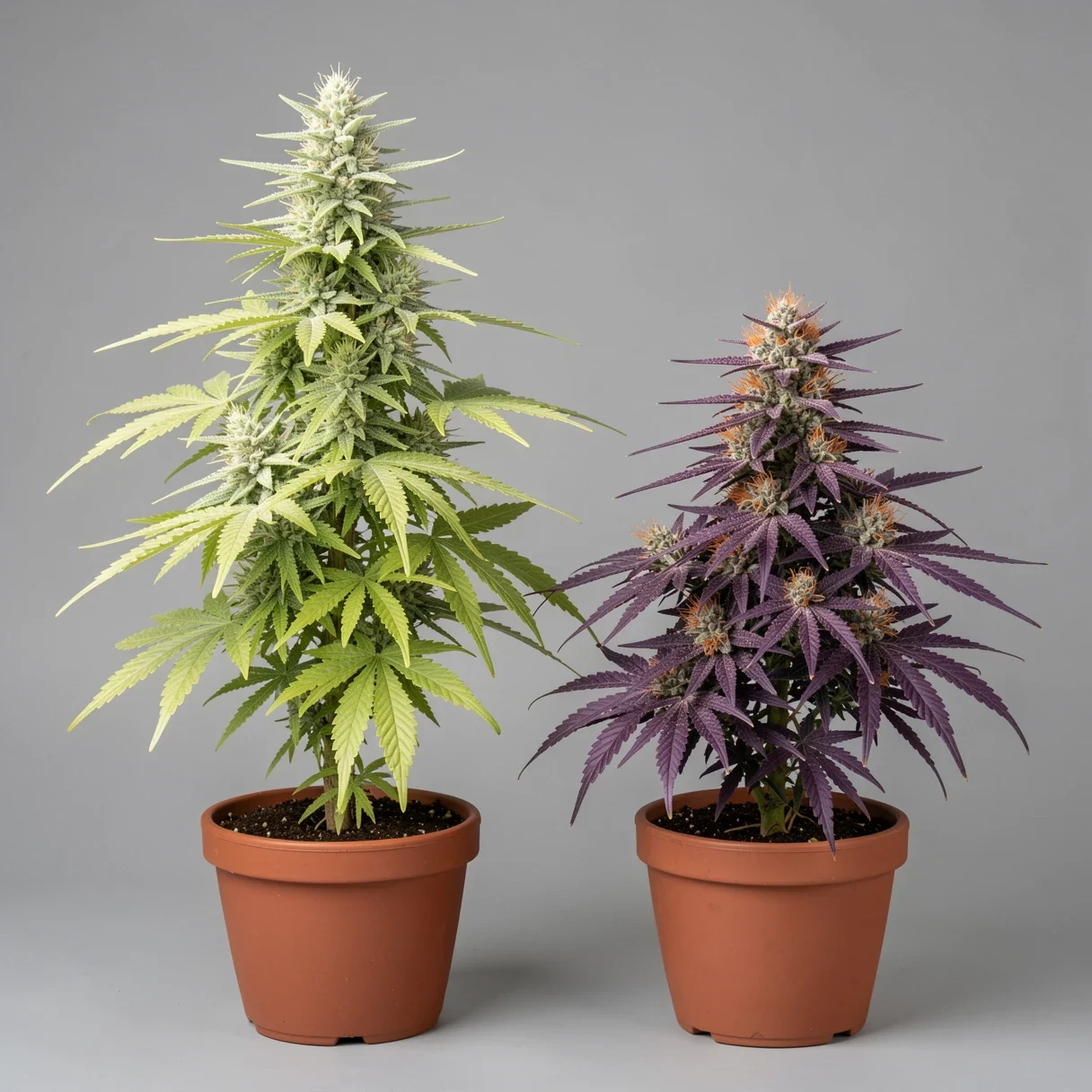
A keeper is not just the prettiest plant. It is the plant that best fits what the breeder is trying to build. Different goals, different keepers. A breeder chasing a fast outdoor finisher will pass on a gorgeous 11-week diva that a hash maker would fight over.
The traits that get weighed in most phenotype hunting runs are the ones below — and a breeder keeps notes on every one of them, plant by plant:
| Trait | What the breeder is judging |
|---|---|
| Vigor | How fast and how strong it grows from seed — weak starters rarely become keepers |
| Structure | Node spacing, branching, stretch — does it suit indoor, outdoor, or both? |
| Aroma & terpenes | The smell that defines the line; often the single biggest selection factor |
| Resin production | Trichome coverage — matters for potency and for hash makers especially |
| Flower density & yield | Tight, heavy bud versus airy fluff; commercial value lives here |
| Flowering time | A finish that fits the climate or the cycle the breeder needs |
| Resilience | Mold resistance, pest tolerance, recovery from stress |
No single plant maxes out every box, and good phenotype hunting accepts that. The whole exercise is about finding the best combination for the goal — and being honest about the trade-offs. A breeder who pretends their keeper has no weaknesses is not paying attention.
Finding one great plant is only the start. A single keeper makes a great mother for clones, but clones are copies — you cannot put copies in a seed pack. To turn a keeper into a strain that breeds true from seed, you have to select across generations.
This is where phenotype hunting feeds directly into the F1, F2, F3, F4 generation work. You hunt the offspring, pick the plants that best express your target, breed those together, then run phenotype hunting on their offspring, and pick again. Each round narrows the spread. By the time a line has been selected over several generations, a pack of seeds throws far fewer wild outliers — the traits have been locked in.
That is the difference between a quick cross and a stabilized strain. A first-generation cross can be exciting and inconsistent. A line that has been phenotype hunted and selected through F2, F3, and beyond gives growers something they can actually count on.
This is not theory at Lighthouse Genetics — it is how Mac’s originals exist at all. Every one of his lines came from popping a population, running it out, and selecting the keepers over multiple generations.
Blue Monkey Dick is a three-way cross of Blue Dream, Chunky Monkey, and Moby Dick — Mac selected over several generations to lock in the fruity-berry terpene profile and the thick trichome coverage while holding onto balanced hybrid effects. That kind of result does not fall out of a single seed pack. It is the product of choosing, breeding, and choosing again.
Frosted Grape Shoes came out of crossing Grape Skunk with Cement Shoes, then hunting for the phenotype that showed the loudest grape terpenes and the deepest purple coloration without losing resin. Neptune’s Wedding and Acapulco Gold Skunk followed the same path — cross, hunt, select, repeat. The strain names are the easy part. The phenotype hunting is the work.
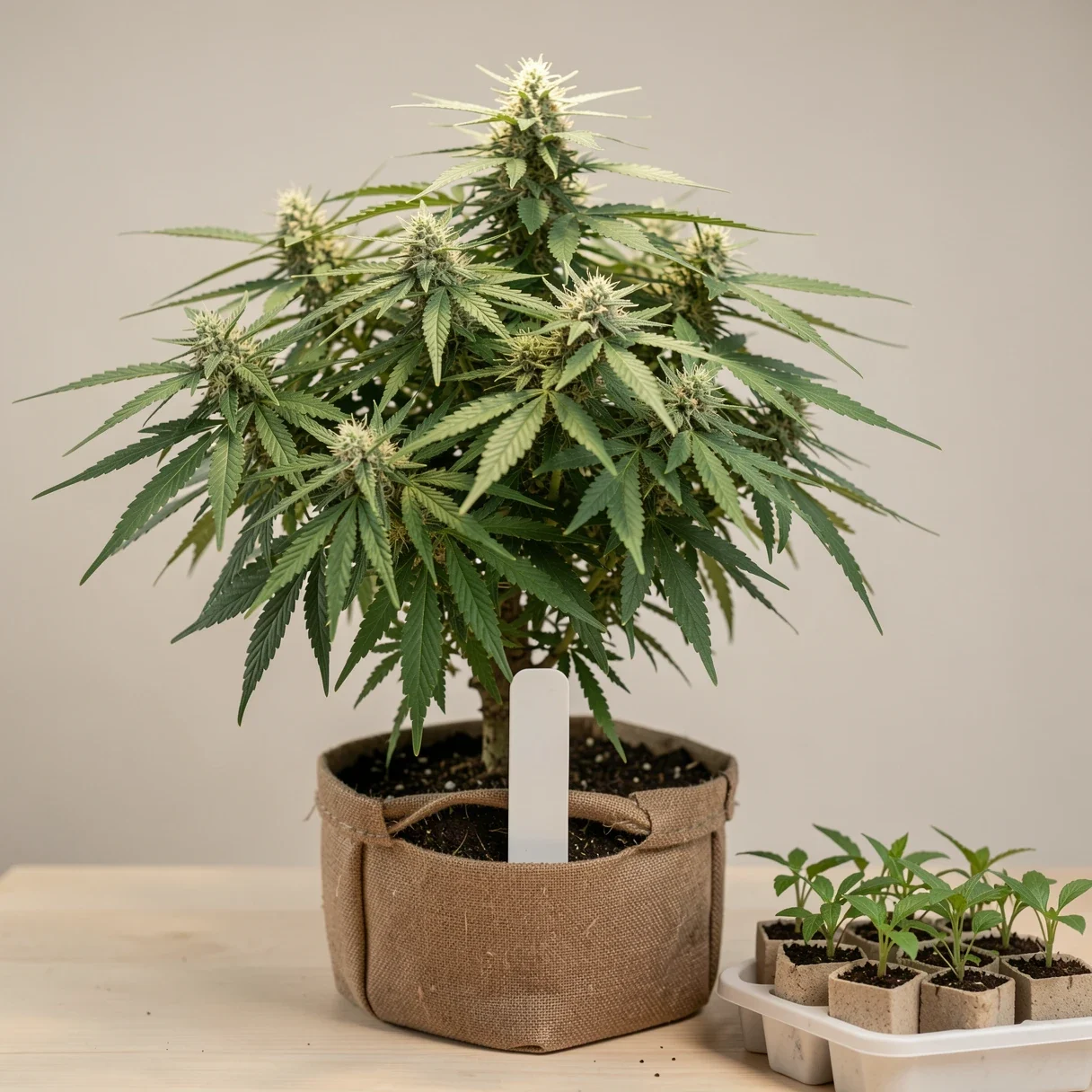
Yes — and a small hunt is one of the most satisfying things you can do as a grower. You do not need a commercial room. You need a handful of seeds from a cross you like, the discipline to label every plant, and the patience to run them all the way to harvest before you judge.
The honest catch is scale. With three or four plants you are not really doing phenotype hunting — you are just growing a few and keeping the best of a tiny sample. The magic of phenotype hunting is volume, because the standout phenotype might show up once in twenty plants. If you want to find a true keeper to clone and run for years, pop more seeds than you think you need and be ruthless about culling.
If you are growing from seed every cycle rather than keeping mothers, you do not have to hunt at all — that is the appeal of a well-selected line. Strains like our beginner-friendly picks are already stabilized enough that you can skip the hunt and just grow. Hunting is for the grower who wants to find their plant and keep it.
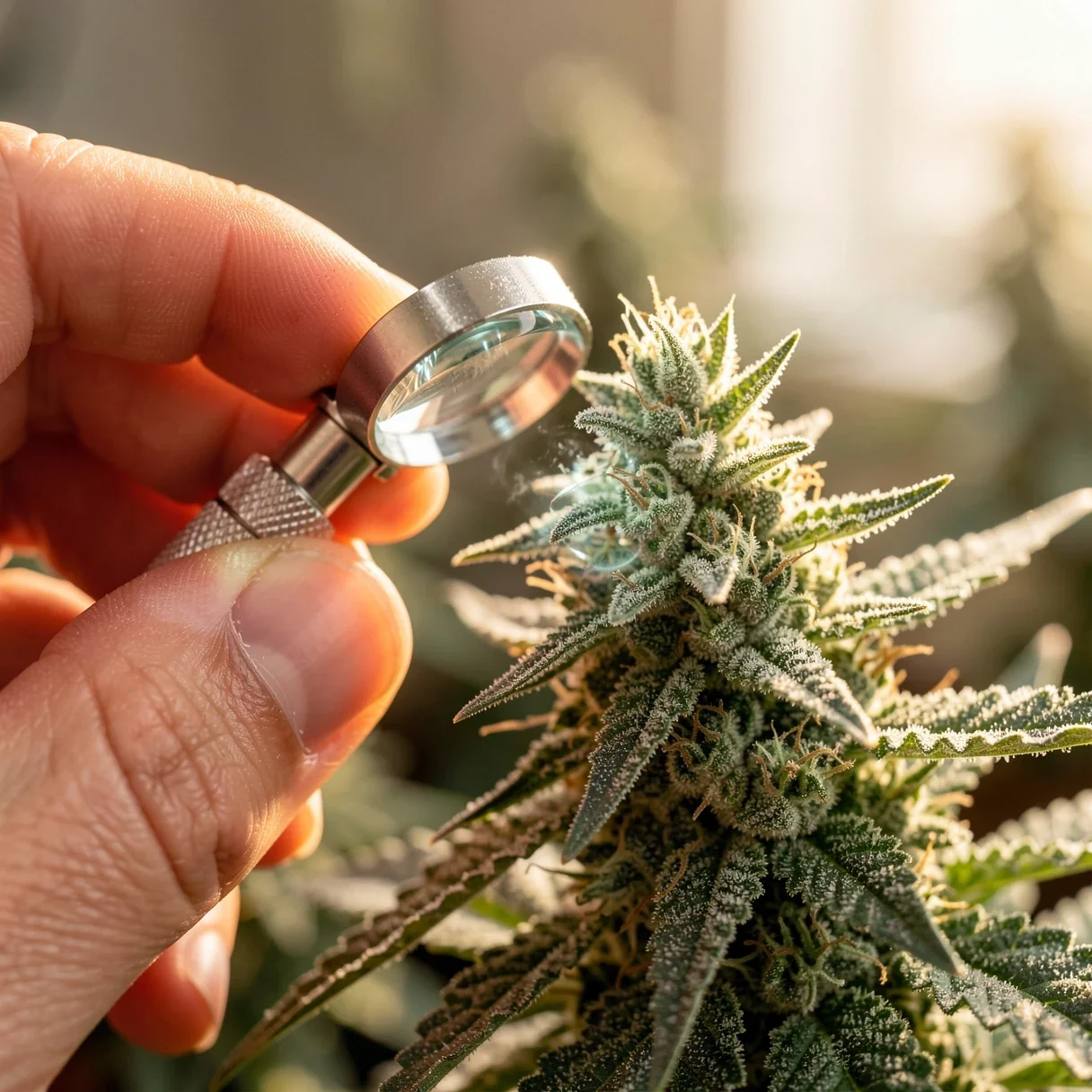
More is better, because the best phenotype is often rare. Home phenotype hunting can work with a dozen or so, but serious hunts run dozens to hundreds so the standout has a chance to appear. With only three or four plants you are sampling, not really hunting.
A keeper (also called a cut) is the individual plant a breeder selects out of a population as the best expression of the cross. It gets cloned and kept alive as a mother so it can be reproduced exactly, since seeds would not copy it perfectly.
Yes. Feminized seeds remove the male/female lottery, but they do not make every plant identical — phenotypes still vary in structure, aroma, and finish. A stabilized, well-selected line just narrows that spread compared to a fresh cross.
It is one stage of breeding. Phenotype hunting is the selection step — finding the best plants in a population. Breeding is crossing those selected plants and then hunting the offspring again over multiple generations to stabilize the line.
Phenotype hunting is the difference between a bag of mixed results and a strain you can trust. The breeder pops a population, holds the environment steady, watches every plant through a full cycle, and pulls out the one that nails the goal — then breeds from it and runs the phenotype hunting again. That patience is why a properly selected line behaves the way the menu says it will.
If you want to try it, start small, label everything, and judge nothing until harvest. If you would rather skip the hunt, grow a line someone already did the work on. Either way, the next time two seeds from the same pack grow into two different plants, you will know exactly why — and what a breeder does about it.
Browse all cannabis seeds | Seed Generations Explained: F1–F4 | Shop Mac’s Originals
Want to keep learning? Browse our full library of guides to growing cannabis — everything from germination to harvest, in one place.
Ready to grow? Browse premium seeds from Lighthouse Genetics:
Designed & Built by Wynne Web Design