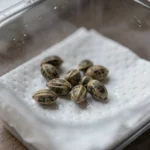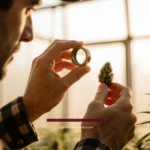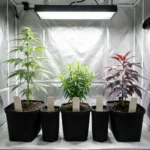
Every grower eventually finds a plant they don’t want to lose. The phenotype that out-yielded everything else in the tent, the one whose smell stopped you in your tracks, the keeper you’d happily grow for the next ten years. Seeds won’t give it back — pop ten of the same strain and you’ll get ten slightly different plants. The only way to grow that exact plant again is to copy it, and that’s exactly what learning how to clone cannabis lets you do.
Learning how to clone cannabis is the single biggest jump most home growers make after their first successful harvest. It’s free, it’s fast, and once you’ve done it twice it stops feeling like surgery. This guide walks through what a clone actually is, the gear you need, the step-by-step cut, how to root cuttings without rotting them, and how to keep a mother plant alive so your best genetics never run out.
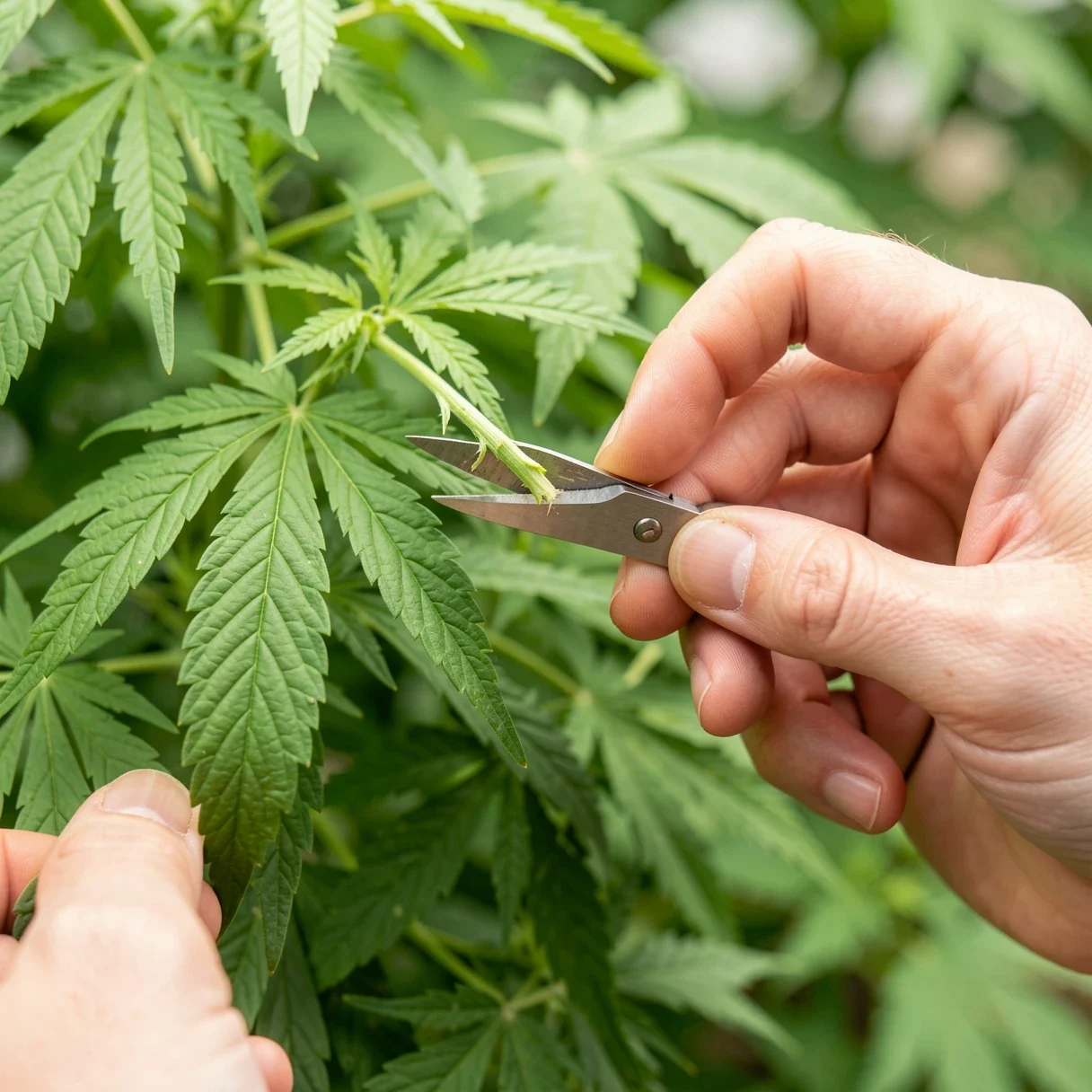
The first thing to understand about how to clone cannabis is what a clone really is. A clone is a cutting taken from a living cannabis plant that you root into a new plant. It isn’t grown from a seed, so there’s no genetic shuffle — the cutting is the same plant as the one you took it from, right down to the DNA. Botanists call this vegetative or asexual propagation, and it’s the same trick gardeners have used on tomatoes, roses, and grapevines for centuries. When you cut a branch and coax it to grow roots, the offspring are practically clones of their parent plant.
That genetic identity is the whole point of how to clone cannabis. A clone inherits everything from its mother: the cannabinoid profile, the terpenes, the structure, the yield, the flowering time — and the sex. Take a cutting from a female and you get a female, guaranteed, with no sexing and no surprises. If you’ve ever lost half a crop to males, you already understand why that matters. (If you’re still learning to tell them apart, our guide on male vs female cannabis plants covers it.)
So before we get into how to clone cannabis step by step, hold onto the core idea: you’re not making a baby plant, you’re making a copy. Everything good about the mother carries over. So does everything bad — a clone off a weak or sick plant will be just as weak and sick, which is why the plant you choose matters more than any technique.
Before you decide whether how to clone cannabis fits your grow, weigh it honestly: cloning isn’t strictly better than seeds — it’s a different tool. Here’s the trade-off.
| Factor | Clones | Seeds |
|---|---|---|
| Genetics | Identical copy of the mother | Unique mix every time |
| Sex | Same as mother (female from female) | Needs sexing unless feminized |
| Time to harvest | Faster — skips germination and seedling stage | Slower — starts from scratch |
| Cost | Free once you have a mother | Cost per seed |
| Vigor | No taproot; can be less hardy outdoors | Taproot; generally tougher and more vigorous |
| Disease risk | Carries the mother’s pests/viruses | Starts clean |
The reason serious growers learn how to clone cannabis and still buy seed: seeds are how you find a keeper, and clones are how you keep it. You pop a pack, grow them out, pick the best plant, and clone that one forever. That hunt is its own skill — we walk through it in phenotype hunting — but the punchline is that a clone only preserves genetics; it can’t improve on what the seed gave you. That’s the real reason to learn how to clone cannabis — not to replace seeds, but to lock in the winner they hand you. Start with good seed and the cloning takes care of itself.
The gear list for how to clone cannabis is short — you don’t need a lab. A clean, sharp blade and somewhere humid to root the cutting cover the essentials. The full kit:
That rooting hormone deserves a word. The active ingredient is usually IBA or NAA, and it’s not marketing — auxins like IBA and NAA are applied specifically to stimulate adventitious root formation on cuttings. A bare stem will often root on its own, but the hormone makes it faster and more reliable, and faster rooting means less time for the cutting to rot. It’s the one upgrade that makes how to clone cannabis noticeably more dependable. Cheap insurance.
Here’s the actual cut. None of it is hard, but doing each step cleanly is the difference between cuttings that root in a week and cuttings that turn to mush. This is how to clone cannabis the way that works the first time.
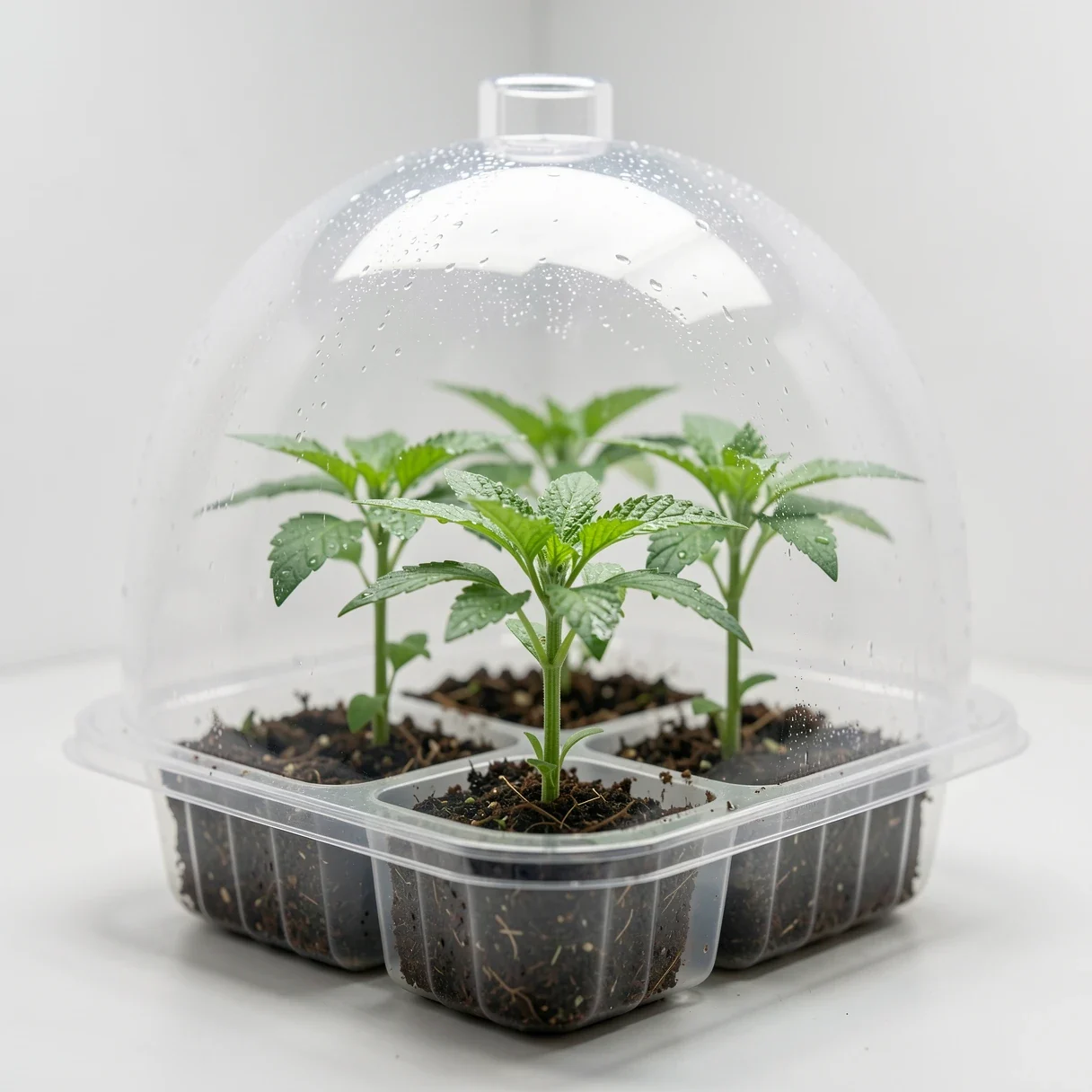
Rooting is the stage of how to clone cannabis where most failed clones die, and almost always for the same reason: the grower got impatient or let the environment swing. A cutting with no roots can only take in water through its leaves and stem, so the entire job for the next one to two weeks is keeping it humid, warm, and undisturbed.
Environment is everything in how to clone cannabis. Aim for high humidity inside the dome — the cutting should look perky, not wilted. Keep the medium moist but never waterlogged, and keep it warm; root zone temperatures around 22–25°C (72–77°F) speed things up dramatically, which is why heat mats are popular for cloning. Light should be gentle. Cuttings don’t want intense flowering light yet; soft fluorescent or a dimmed LED a good distance away is plenty. Blast them and they’ll burn through water they can’t replace. Get the environment dialed and how to clone cannabis becomes mostly patience.
Then you wait — the slowest and most nerve-wracking part of how to clone cannabis. Most cannabis cuttings root in 7 to 14 days, though some strains drag it out to three weeks. Resist the urge to tug on them to “check” — you’ll rip off the fragile new roots. Instead, crack the dome a little more each day toward the end of the first week to harden them off, and watch for roots poking out the bottom of the cube or fresh green growth up top. That new growth is the signal the clone has rooted and is feeding itself. Once roots are an inch or so long, pot it up like any seedling and grow on.
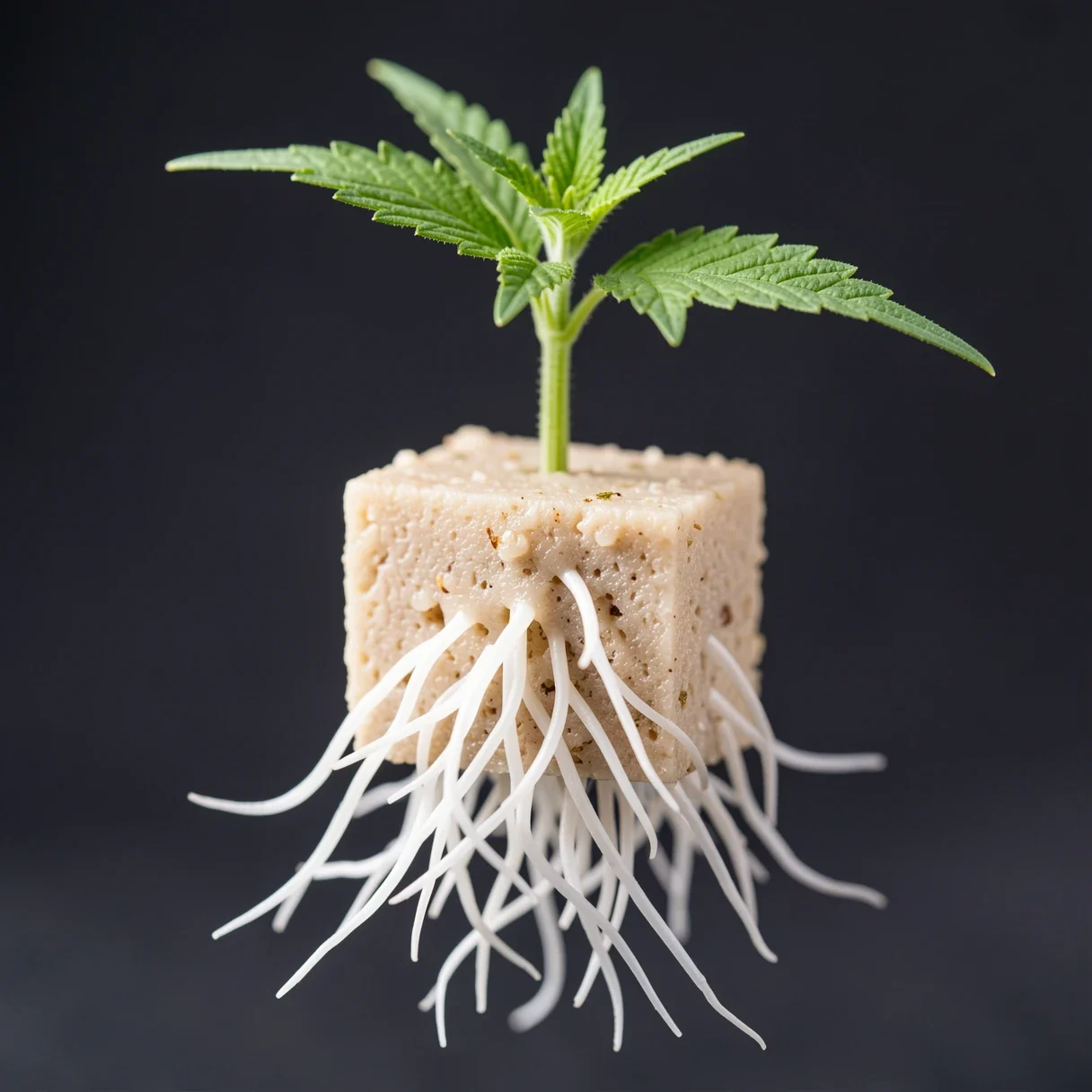
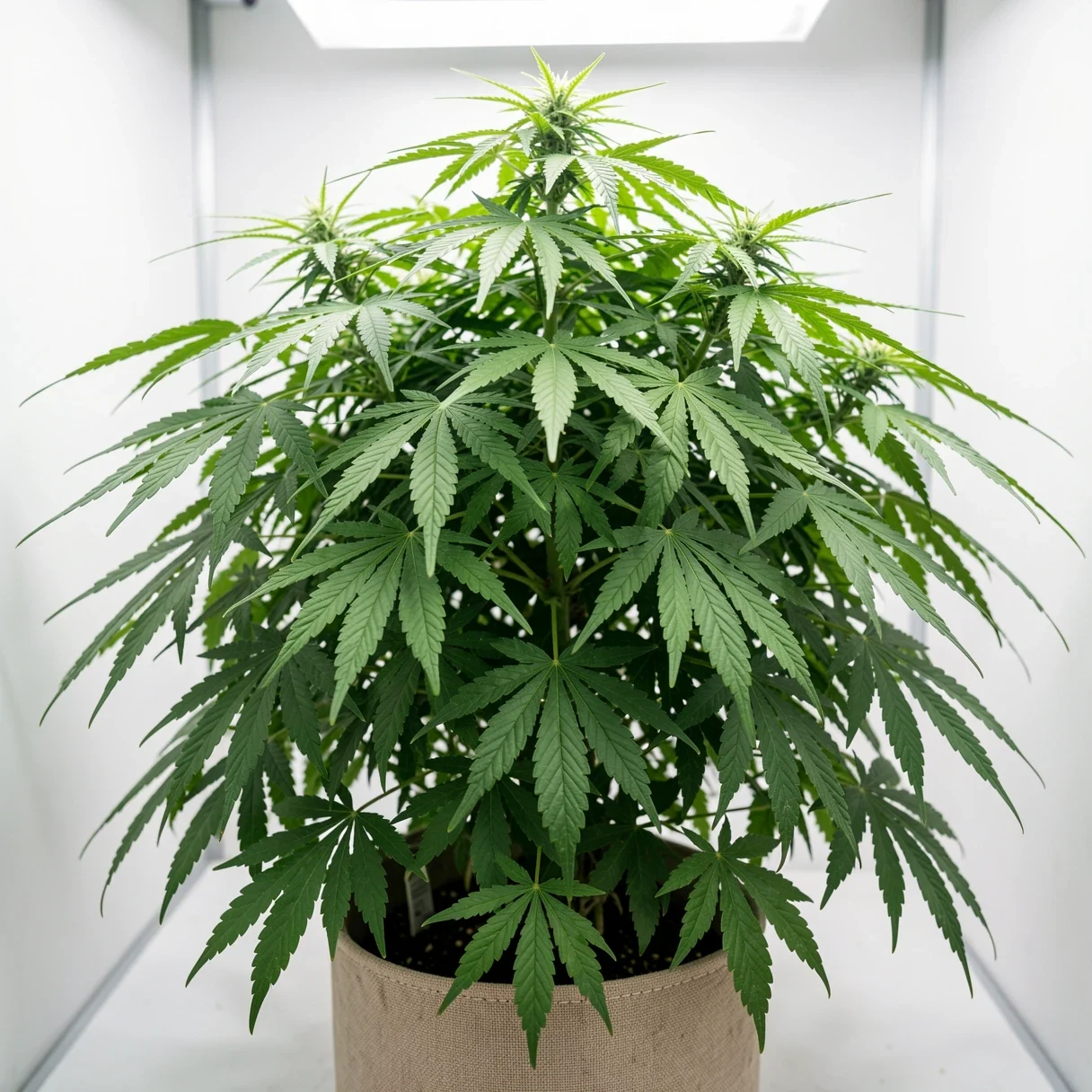
A mother plant is where how to clone cannabis pays off over the long run. It’s a cannabis plant you keep permanently in vegetative growth, never flowering it, purely as a source of cuttings. Keep it under 18+ hours of light so it never flips to flower, feed it well, and it’ll throw new growth you can clone from for years. This is how a single keeper becomes an unlimited supply: one mother, endless identical daughters.
Picking the right mother is the part people rush. You want the plant that earned it — best yield, best smell, best resistance, the standout from a grow-out. Get this choice right and the rest of how to clone cannabis is just maintenance. Choosing that plant is exactly the keeper-selection process behind how breeders pick their keepers, and it’s the same logic Mac uses selecting mothers for Lighthouse’s in-house lines. A mother also lets you stagger a perpetual harvest: take clones every few weeks and you always have plants at every stage. That’s the long game that knowing how to clone cannabis unlocks.
One hard rule, and the one place how to clone cannabis simply doesn’t apply: don’t bother cloning autoflowers. Autoflowering plants flower on an internal clock based on age, not on a light change. A clone is the same age as its mother, so a cutting taken from a flowering autoflower will try to flower almost immediately — as a tiny, rootless cutting with no time to build a plant. You get a runt, not a harvest.
This is why cloning belongs to photoperiod plants, the ones that flower when you cut their light to 12 hours. If you’re set on autoflowers, the move is simply to keep popping seeds — there’s no shortcut around it. If you want the repeatable, clone-it-forever side of how to clone cannabis, you want feminized photoperiod genetics. The difference is laid out in autoflower vs feminized seeds.
When how to clone cannabis goes wrong, it’s usually one of a short list of culprits. Run through these before you blame the strain.
Almost every one of these comes back to patience and cleanliness. Get those two right and how to clone cannabis stops being a gamble and becomes routine.
The strain you pick shapes how easy how to clone cannabis turns out to be. You can clone any photoperiod plant, but vigorous, sturdy strains root faster and make better, more forgiving mothers. If you’re building your first mother, lean toward proven, hardy genetics. A few from our shelves that growers come back to:
If you want to clone something with a story, Mac’s originals are worth a look too — keeping a mother of a strain like Blue Monkey Dick means you can grow that exact in-house pheno indefinitely. Browse the full feminized cannabis seeds lineup to pick a mother, and start it from seed the right way with our germination guide. Every how to clone cannabis workflow begins with one good seed.
Most cuttings root in 7 to 14 days, with some strains taking up to three weeks. You’ll know it’s worked when you see roots out the bottom of the cube or new green growth on top. The whole appeal of learning how to clone cannabis is that a rooted clone then skips germination and the seedling stage, shaving weeks off the next grow.
No, but it helps a lot. Cuttings will often root without it, but rooting hormone — IBA or NAA based — speeds up and increases your success rate, and faster rooting means less time for a cutting to rot. For a few dollars it’s the easiest win in how to clone cannabis.
You can, but it’s harder and slower. A cutting from a flowering plant has to “revert” back to vegetative growth before it’ll root and grow normally, which can take a couple of extra weeks. It’s far easier to clone from a plant in veg — this is one of the trickier corners of how to clone cannabis. And you can’t usefully clone a flowering autoflower at all — it’ll just try to flower as a rootless cutting.
This is the most common worry people have about how to clone cannabis. Genetically, a clone is identical to its mother — same potency, flavor, and structure. It won’t grow a taproot like a seed-started plant, so it can be slightly less hardy, especially outdoors, but indoors a well-rooted clone performs just like its mother. A clone can’t be better than the plant it came from, which is why the mother you choose matters most.
Cloning is how you stop starting over. Find a keeper from seed, take cuttings, root them with patience and clean tools, and keep a mother going — and you can grow your single best plant for as long as you want it. None of the steps are difficult; the whole skill is humidity, cleanliness, and not rushing the roots. Learn how to clone cannabis once and you’ve turned one great plant into a permanent harvest.
The catch is that cloning only ever preserves what the seed gave you, so it pays to start with genetics worth keeping. Pick a vigorous photoperiod female, grow it out, and clone the standout — that’s the real lesson behind how to clone cannabis. For more on getting from seed to keeper, our cannabis growing guides cover every step before and after the cut.
Shop Feminized Seeds | Phenotype Hunting | Cannabis Growing Guides
Want to keep learning? Browse our full library of cannabis growing guides — everything from germination to harvest, in one place.
Ready to grow? Browse premium seeds from Lighthouse Genetics:
Designed & Built by Wynne Web Design