If you buy seeds online in the United States, the cannabis seed laws you’ve relied on since 2018 are about to shift. A provision called Section 781 — tucked into a federal spending package signed in November 2025 — rewrites the legal definition of hemp, and that rewrite reaches all the way down to the seed in your hand. The change wasn’t immediate: the seed rule was set to start on November 12, 2026, and a September 2026 funding law pushed it back to December 11, 2026.
This post walks through what the cannabis seed laws actually say, what they don’t say, and what they mean for anyone who buys or keeps seeds in the U.S. We’ll keep it factual. No scare tactics, no “buy now or else” — just the law as it’s written, so you can make your own call.
A quick note before we start: this is general information, not legal advice. Laws change, enforcement varies, and your state may treat seeds differently than the federal government does. If you have a specific legal question, talk to a lawyer who knows cannabis law in your state.
Federally, yes, for now. Under the 2018 Farm Bill, a seed at or below 0.3% delta-9 THC counts as hemp, and the federal cannabis seed laws behind that haven’t changed yet. State rules vary and still apply.
Here’s why. The 2018 Farm Bill defined “hemp” as cannabis containing no more than 0.3% delta-9 THC by dry weight. An ungerminated cannabis seed contains almost no THC at all — it’s a dormant seed, not a flowering plant. In a January 6, 2022 letter, the DEA confirmed in writing that a cannabis seed measuring 0.3% delta-9 THC or less meets the definition of hemp and is not a controlled substance. That interpretation became the federal footing for the U.S. seed market. Under current federal law, a seed at or below that line isn’t a controlled substance, though state rules still differ.
So if you order seeds tomorrow, you’re operating under the same framework that’s been in place for years. Today, that near-zero THC inside the seed is exactly what keeps it on the hemp side of the federal line. The federal shift for seeds is now scheduled for December 11, 2026.
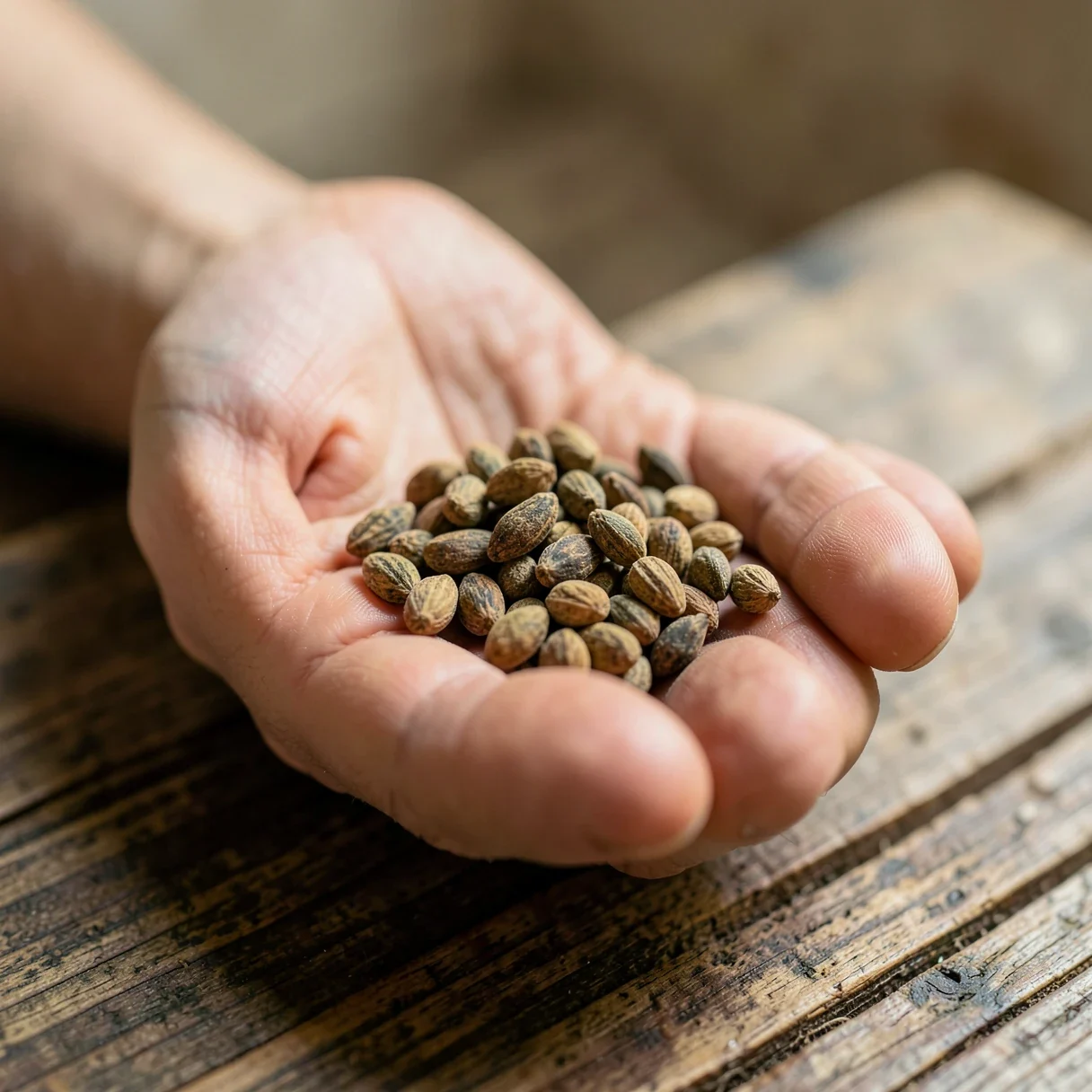
It helps to know how we got here. Before 2018, federal law treated cannabis as marijuana apart from a few parts, like mature stalks and sterilized seeds that can’t sprout. The 2018 Farm Bill carved out “hemp” by THC content, and the cannabis seed laws that followed leaned on a simple physical fact: a dormant seed barely contains any THC, so it tested as hemp. The DEA’s 2022 letter put that interpretation in writing.
For about seven years, that was the whole game. The rule didn’t care what a seed might become — only what it measured as it sat in the packet. Section 781 changes that by looking past the seed itself to the plant behind it, which makes it the biggest change to U.S. cannabis seed laws since the Farm Bill opened the door.
Section 781 is part of the appropriations package (H.R. 5371) that was signed into law on November 12, 2025. It was written to take effect one year later, on November 12, 2026. Then a September 2026 funding law (Public Law 119-103) pushed most of it, including the seed rule, back to December 11, 2026. Congress could move that date again, so check the official sources below. It’s the most consequential update to U.S. cannabis seed laws since 2018.
Two changes to the cannabis seed laws sit at the center of Section 781:
That second point is what makes the 2026 rules so different from today’s. Practically every photoperiod and autoflower strain a seed bank sells comes from a high-THC mother plant — that’s the whole point of buying them. Under Section 781, the viable seeds from those plants get reclassified from hemp to marijuana under federal law once the change takes effect. The seed didn’t change. The way the law looks at it did.
Under today’s cannabis seed laws, a lab could test the seed, find essentially no THC, and call it hemp. Simple. Under the 2026 cannabis seed laws, that test becomes irrelevant for high-THC genetics — what matters is the plant that produced the seed. It’s a subtle rewrite, but everything else turns on it.
This matters because of how breeding actually works. When you understand the difference between generations and stabilized genetics — something we covered in our guide to F1, F2, F3, and F4 cannabis seeds — you realize every quality strain traces back to potent parent plants. Those parents are exactly what the new definition targets. Under Section 781, a seed from a 25%-THC mother is treated as marijuana, even though the seed itself could pass a hemp test all day long.
Once the change takes effect, those seeds fall under federal marijuana law, which covers possessing, growing, and selling them, not just moving them across state lines or borders.
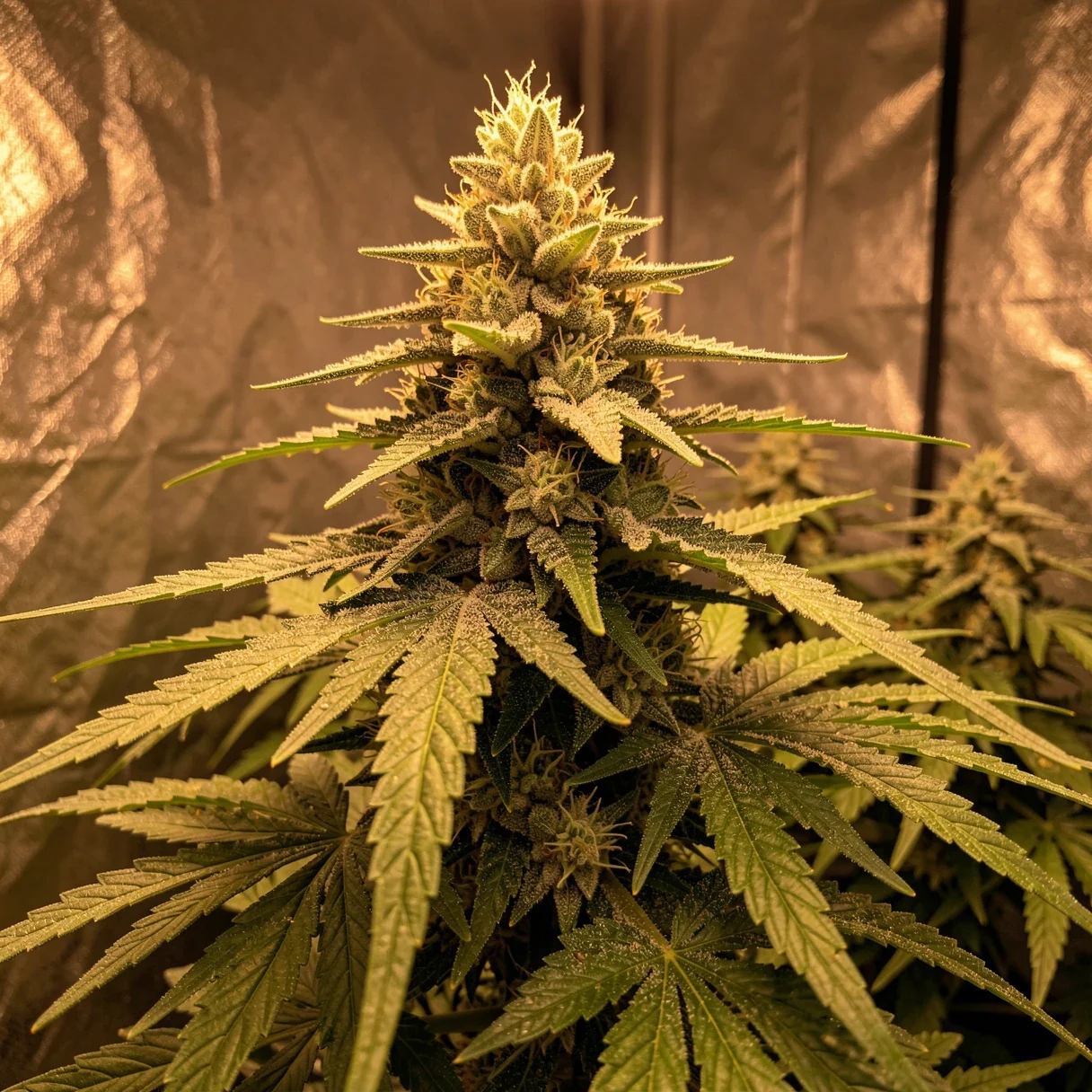
Not exactly, and this is where a lot of headlines overshoot the cannabis seed laws. Section 781 doesn’t post a “no seeds allowed” sign. It reclassifies seeds from high-THC plants — which is most of what people actually want to grow — so that federally they’re treated like marijuana rather than hemp. That’s why calling it a flat “ban” misses the nuance: seeds from true hemp plants stay hemp, while seeds from high-THC plants become federally controlled. The honest summary: the federal door that’s been open since 2018 closes for high-THC genetics.
A few things keep this from being black-and-white:
So the accurate read is: the cannabis seed laws are tightening at the federal level, the change reaches possession as well as shipping, and a lot of the fine print is still being worked out.
Until December 11, 2026, the current federal cannabis seed laws still apply, so the federal rules for anyone looking to buy cannabis seeds online haven’t changed yet. From that date, the federal picture for high-THC genetics changes, and how individual seed banks respond will vary.
If there are specific genetics you’ve been meaning to grow, know what the deadline does and doesn’t do. Section 781 has no exception for seeds bought before it takes effect: from December 11, 2026, a viable seed from a high-THC plant counts as marijuana under federal law no matter when it was bought. Check your state’s rules before you plan around the date.
If you do buy seeds, store them right. Cannabis seeds last for years when they’re kept cool, dark, and dry — we broke down the method in how to store cannabis seeds. A pack stored properly stays viable for years. Storage protects the seed, though, not its legal status: under the new definition, a stored high-THC seed is treated the same as a new one.
We’re a Canadian seed bank, and Section 781 is a U.S. federal change — so it’s worth being clear about who it touches. It governs what happens under U.S. federal jurisdiction, including seeds crossing into or out of the country. Canadian buyers operate under Canada’s own rules, which Section 781 doesn’t rewrite. If you’re in the U.S., the cannabis seed laws that matter to your order are the federal ones described here plus your individual state’s rules — and the interaction between the two is exactly where a quick read of the official sources pays off.
If you’re choosing genetics, choose deliberately, and keep in mind that the federal cannabis seed laws will apply to seeds you already own, not just new orders. The new definition has no exception for earlier purchases, so a packet on your shelf is covered too. A few honest suggestions on where to start:
For genetics you can’t get anywhere else, Mac’s own breeding work is the obvious place to look — strains like Blue Monkey Dick, Neptune’s Wedding, Acapulco Gold Skunk, Grape Skunk, and Frosted Grape Shoes are originals you won’t find on another bank’s shelf.
For well-known classics, Afghani and Great White Shark are both listed as Easy, and Blue Dream as Easy to Moderate. If you’re new to growing, it’s worth reading how to choose cannabis seeds for your setup first, and deciding whether autoflower or feminized seeds fit your space. You can browse the full feminized seeds and autoflower seeds collections, or start at the shop.
The smartest thing any buyer can do is read the primary sources rather than the headlines. The updated definition is printed in the federal hemp statute at 7 U.S.C. § 1639o, and the non-partisan Congressional Research Service has published a plain-language breakdown of the change and an update on the new start date. For how the hemp framework is administered, the USDA hemp program is the official reference. Between those sources, you can confirm the rules for yourself instead of trusting a forum post — a habit worth keeping while the details settle.
The cannabis seed laws that have governed the online seed market since 2018 are being rewritten, and for seeds the change is now set for December 11, 2026. Until then, the federal rules you already know still apply. After then, seeds from high-THC plants get treated as marijuana federally, whether they’re being shipped or sitting in storage, and several details are still being settled.
Our take is straightforward: don’t panic, and don’t plan around a loophole that isn’t there. Seeds bought before the deadline get no special treatment under the new definition. Read the cannabis seed laws yourself, weigh your own state’s rules, and decide from there — not from a headline. And again, this is general information, not legal advice; verify current federal law and your state’s rules before you act.
Shop All Seeds | How to Store Cannabis Seeds | Buying Cannabis Seeds Online
Section 781 was set to start on November 12, 2026, one year after it was signed. A September 2026 funding law moved most of it, including the seed rule, to December 11, 2026. Until then, the 2018 Farm Bill framework still governs seeds federally; state rules apply on top.
Under the new cannabis seed laws, viable seeds from high-THC plants count as marijuana federally, and federal marijuana law covers possession, not just shipping. There’s no exception for seeds bought earlier. State law on possession and home growing is separate and varies widely. We can’t tell you how it applies to your situation; a local attorney can.
Yes. Section 781 classifies seeds by the mother plant’s total THC, and most autoflower strains come from high-THC parents — so the law treats them the same as photoperiod genetics. The seed type doesn’t change the rule; the parent plant does.
The federal rules haven’t changed yet. Until December 11, 2026, nothing federal about buying cannabis seeds online has changed, and state rules still apply. After the deadline, the federal status of high-THC genetics shifts, and how seed banks operate will depend on the final regulatory picture.
Stored cool, dark, and dry, quality cannabis seeds stay viable for years, though storage doesn’t change how the cannabis seed laws treat them once the new definition starts. Proper storage protects a seed’s viability, and getting germination right later starts with good storage now.
Keep reading
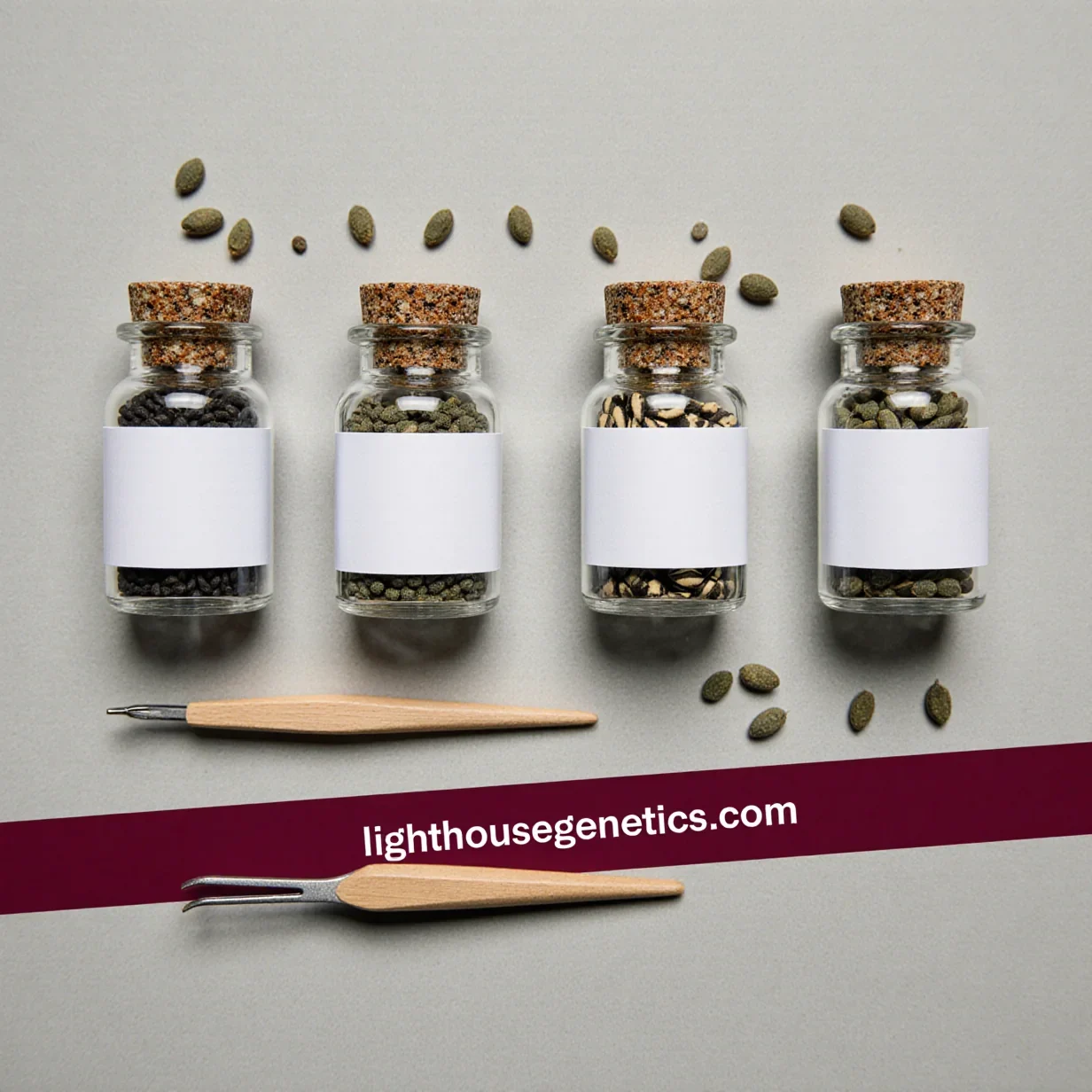 How to Choose Cannabis Seeds for Your Setup
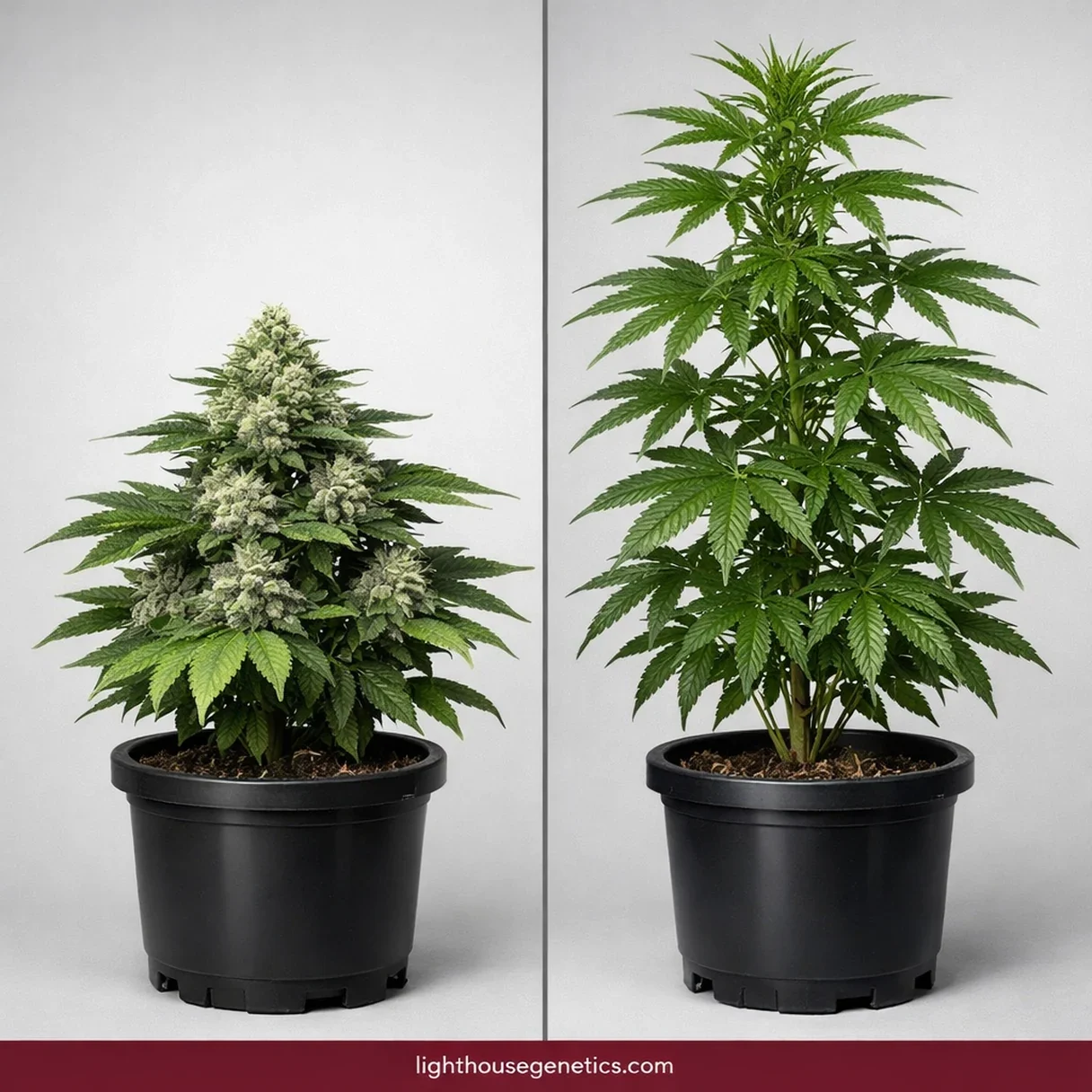 Autoflower vs Feminized Seeds
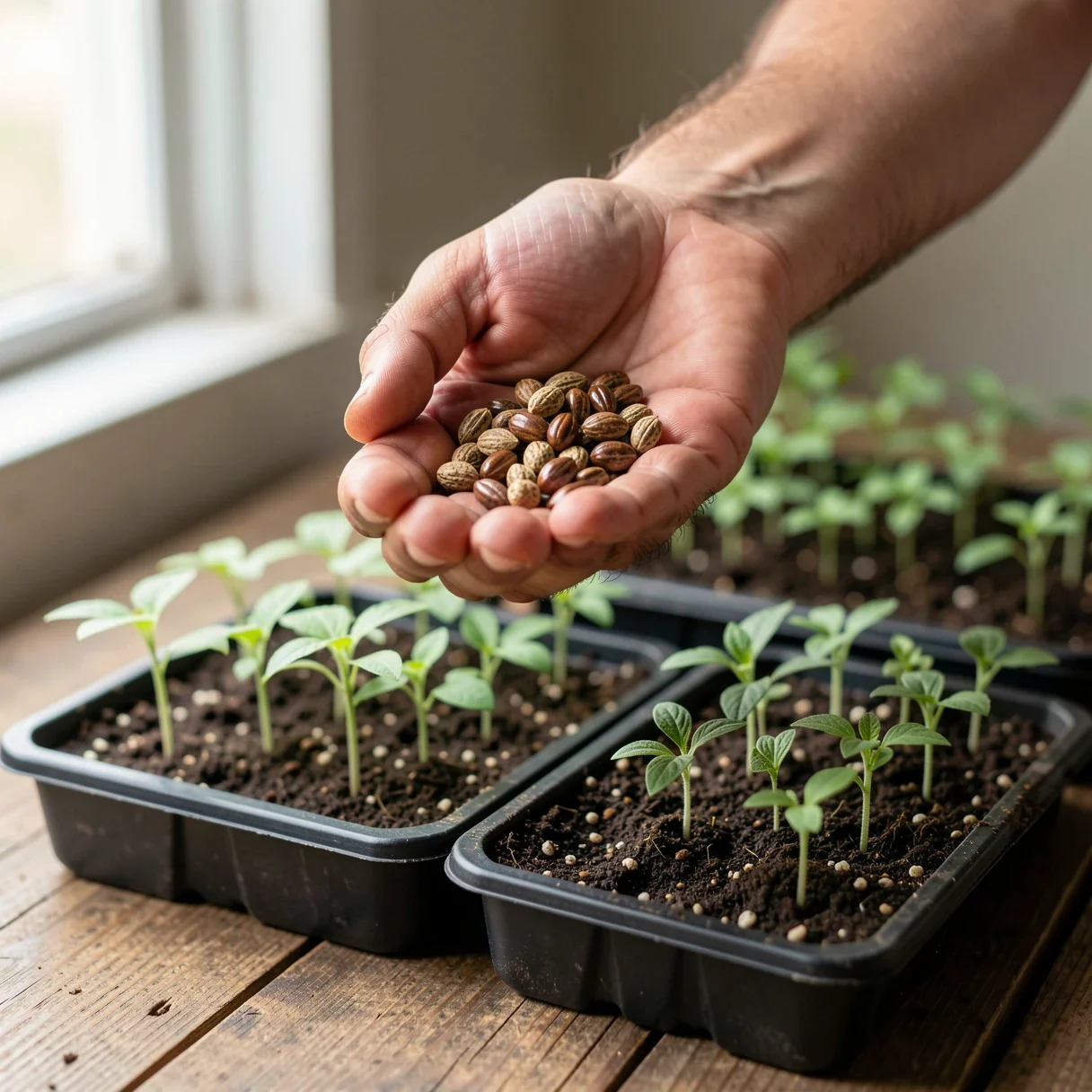 What Are Regular Cannabis Seeds?
Browse all our cannabis growing guides by topic, from germination to harvest.
Ready to grow? Browse premium seeds from Lighthouse Genetics:
Designed & Built by Wynne Web Design