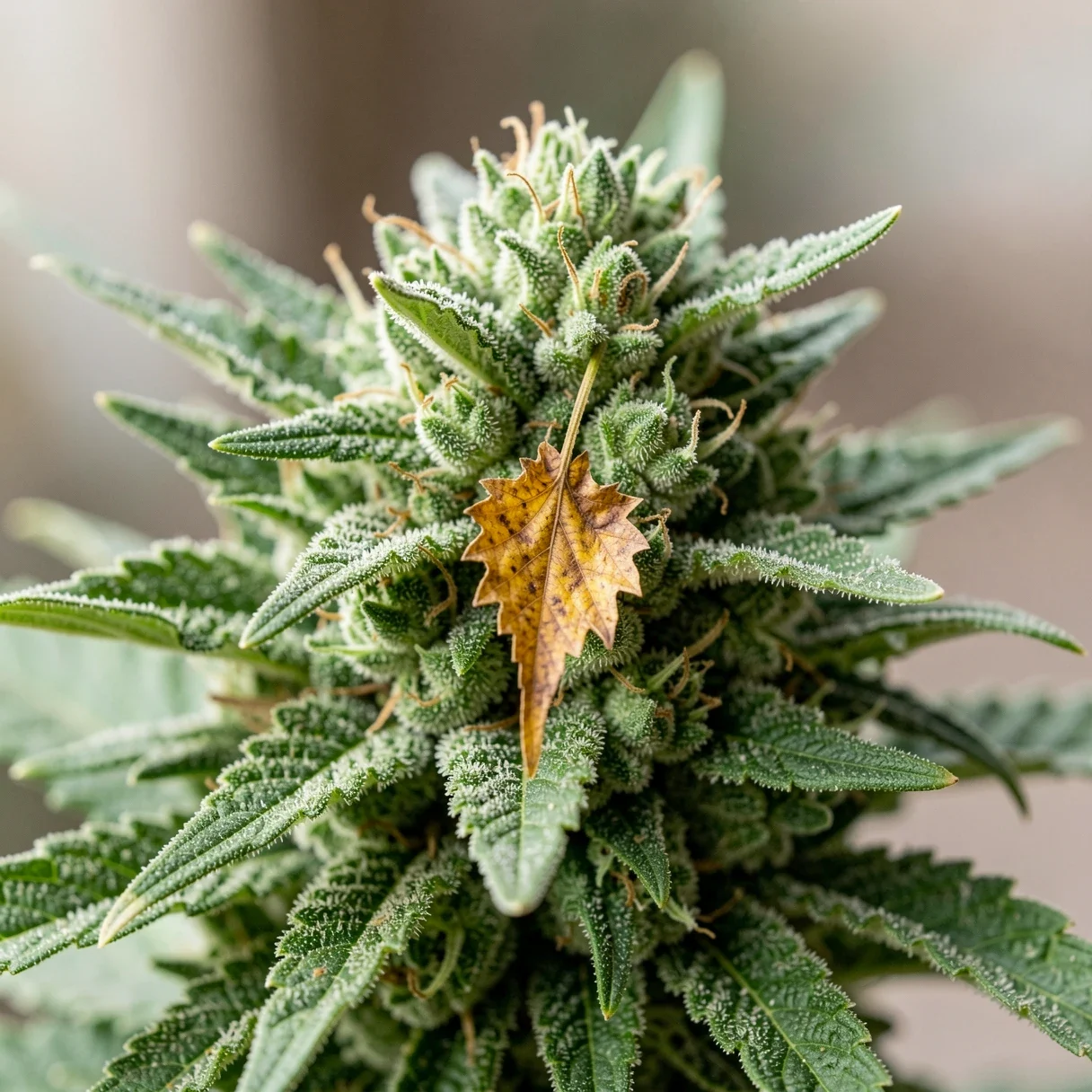
There’s a particular sinking feeling that comes with finding bud rot. The plant looked perfect yesterday. Today there’s a leaf gone crispy and brown in the middle of your fattest cola, and when you tug it, the bud underneath comes away as gray mush. By the time you can see it from the outside, it’s been eating the inside of that flower for days. A week out from harvest, it can take a whole plant.
Cannabis bud rot is the single most heartbreaking way to lose a crop, because it hits hardest right at the finish line — the denser and more resinous your buds get, the more the rot likes them. The good news is that cannabis bud rot is almost entirely preventable once you understand what it is and what it needs. This guide covers what cannabis bud rot actually is, how to catch it early, what to do the moment you find it, and how to keep it out of your grow indoors and out.
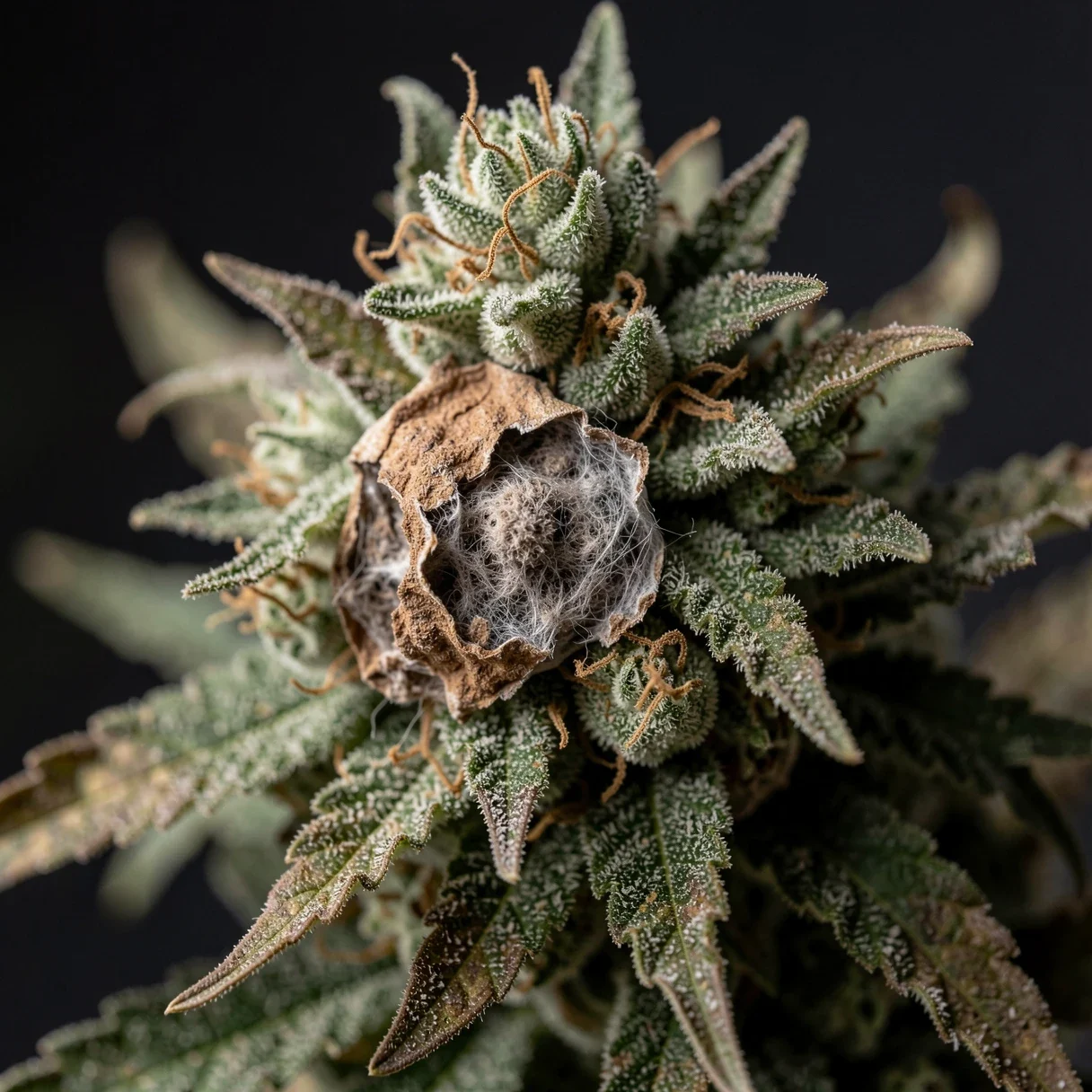
Cannabis bud rot is a fungal infection caused by Botrytis cinerea, the same gray-mold fungus that ruins strawberries and grapes. It’s a necrotrophic fungus — it kills plant tissue and then feeds on the dead material — and it affects hundreds of plant species. On cannabis it goes for the flowers, which is exactly why it’s so destructive: it attacks the only part of the plant you’re growing for.
What makes cannabis bud rot so sneaky is that it starts on the inside. Botrytis spores settle deep in a dense cola, often around the main stem where moisture lingers and air doesn’t move. The rot works outward from the core, so the first thing you see — a dead leaf, a bit of discoloration — is the tip of something already well established inside. It’s been documented causing bud rot on cannabis in research too: one peer-reviewed survey found Botrytis bud rot affecting up to half the plants in some cannabis crops, and noted it carries over as a post-harvest problem if infected buds go into drying.
Botrytis is everywhere — its spores are in the air of basically every grow. It doesn’t infect because the spores arrived; it infects when you give it the conditions it wants. Cannabis bud rot needs three things, and take away any one of them and you’ve broken the chain:
That’s why cannabis bud rot is mostly a late-flower problem. Early on, buds are small and airy. As they swell and pack on weight in the last few weeks, their cores turn into damp, dark, windless pockets — and a humid tent or a damp autumn night is all Botrytis needs. The fungus favors moist, humid conditions, especially where plants are crowded and air doesn’t circulate. Manage humidity and airflow and you’ve solved most of the problem before it starts — the same air-and-moisture balance behind VPD for cannabis.
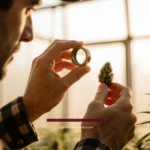
Catching cannabis bud rot early is everything, because it spreads fast and the spores travel. Get in the habit of scouting your plants daily in late flower, especially the biggest, densest colas. Here’s what to look for, roughly in the order it shows up:
Train your eye on that first dying leaf — it’s the cheapest early-warning system you have, and on a daily scout it’s how most growers catch cannabis bud rot while it’s still one bud and not a whole plant.
If you find cannabis bud rot, act immediately — not tomorrow. Every hour it spreads. Here’s the response:
One hard rule: do not smoke or consume rotted buds. Moldy cannabis can carry fungal spores and other contaminants you don’t want in your lungs, and no amount of trimming “around” it makes a rotted bud safe. Cannabis bud rot ruins whatever it touches, so when in doubt, throw it out. It’s not worth the risk.
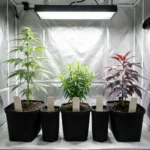
Indoors you control the weather, which means indoor cannabis bud rot is almost always a preventable mistake. The whole game is humidity and airflow:
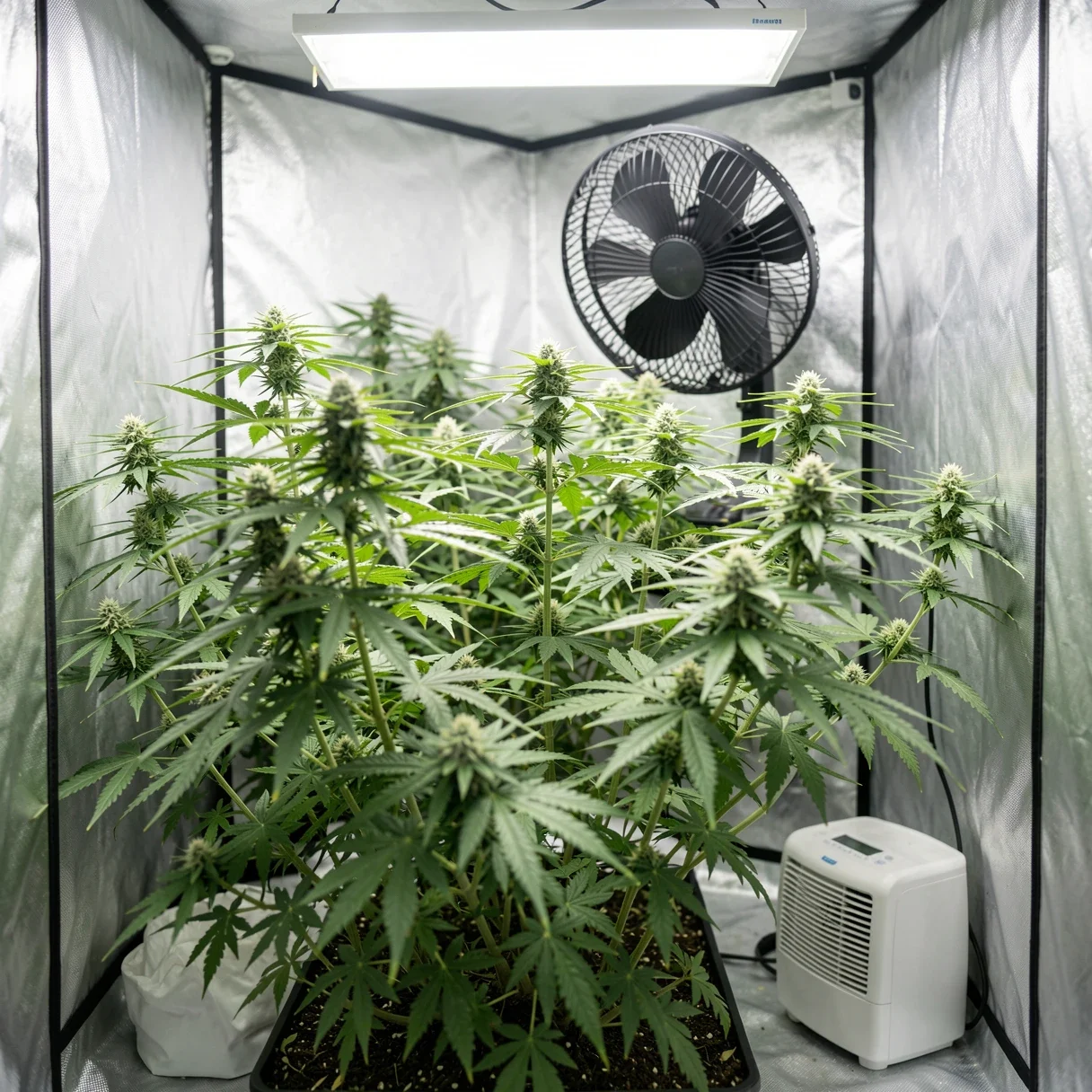
A well-set-up tent makes most of this automatic — airflow, exhaust, and humidity control built in from the start, which we walk through in our cannabis grow tent setup guide.
Outdoors you can’t dial the humidity, so preventing cannabis bud rot is about timing, placement, and genetics. The danger window is late season, when nights turn cold and damp and morning dew or autumn rain soaks the buds.
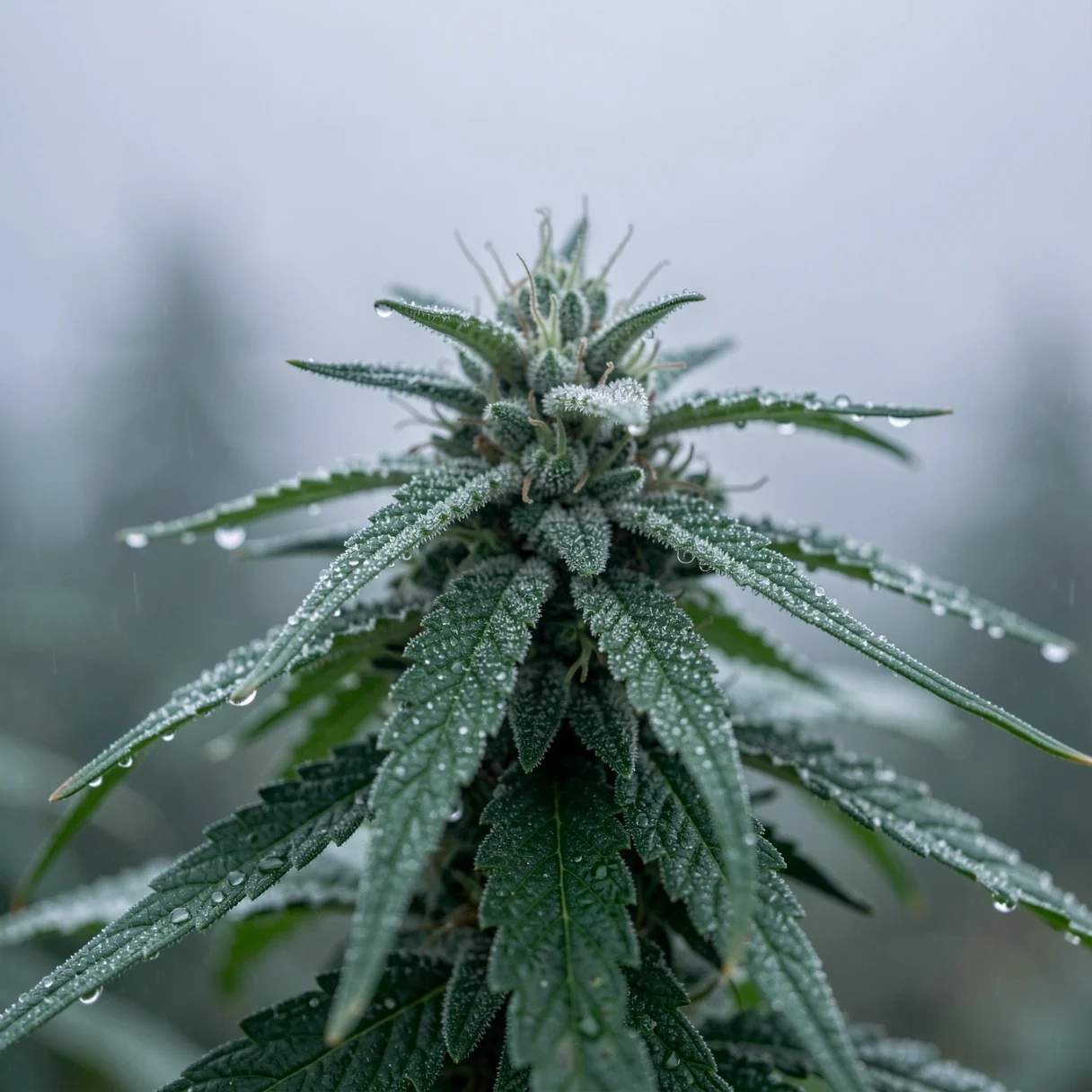
This is a big part of why regional timing matters so much for outdoor growers — our guides on growing cannabis outdoors in Canada and growing cannabis outdoors in the Eastern US both come back to harvesting ahead of the damp.
Genetics won’t make a plant immune, but bud structure makes a real difference. Tight, dense indica colas trap moisture and are the most rot-prone; looser, airier sativa-leaning buds let air move through and dry out faster. If cannabis bud rot is a regular problem in your climate, leaning toward airier structure and faster finishers stacks the deck in your favor.
For outdoor growers racing the weather, fast autoflowers that finish before the wet season are the other strong option — try White Widow Autoflower, Bruce Banner Autoflower, or Gorilla Glue Autoflower. Browse the full autoflower seeds and feminized seeds ranges to match genetics to your climate. The right structure is one more layer of defense against cannabis bud rot — not a replacement for airflow and humidity control, but a help.
The infected bud can’t be saved — once tissue has rotted, it’s gone. But the plant can survive if you cut the rot out fast and dry the environment. Cannabis bud rot doesn’t heal; you contain it by removing infected material and fixing the humidity and airflow that let it start.
Lower is safer in flower. Many growers aim to bring relative humidity down toward 40–50% through mid and late flower, and especially keep it from spiking overnight. Botrytis germinates in damp conditions, so the drier and breezier the canopy, the less foothold cannabis bud rot gets.
No. Bud rot (Botrytis) attacks from inside the cola and turns it to brown mush. Powdery mildew is a different fungus that coats leaf surfaces in a white, flour-like powder. Both love humidity and poor airflow, so the same prevention helps with both, but they look completely different.
No — don’t. Rotted, moldy buds can carry fungal spores and contaminants that are genuinely bad to inhale, and you can’t trim a rotted bud back to safe. Discard any flower with rot in it. It’s not worth your health over a bit of saved weight.
Cannabis bud rot is brutal because it strikes at the finish, but it’s not bad luck — it’s an environment problem, and environment is something you control. Keep humidity down and air moving in late flower, scout your densest colas every single day, and the moment you see one brown leaf in the wrong place, cut deep and bag it. Indoors that’s a dehumidifier and fans; outdoors it’s timing, an open site, and finishing before the rains.
Stack the odds further with airier, faster-finishing genetics suited to your climate, and you turn the most heartbreaking grow failure into one you rarely have to think about. For everything that happens before and after the rot window, our cannabis growing guides cover the full season from seed to jar.
Shop Feminized Seeds | When to Harvest Cannabis | Cannabis Growing Guides
Want to keep learning? Browse our full library of our cannabis growing guides — everything from germination to harvest, in one place.
Ready to grow? Browse premium seeds from Lighthouse Genetics:
Designed & Built by Wynne Web Design