Open two jars side by side. One hits you with bright lemon peel. The other smells like a gas station floor. Same plant, same cannabinoids doing roughly the same job — wildly different noses. Part of that gap comes down to cannabis terpenes, the aromatic oils the plant pumps out alongside its THC. The rest, including some of the loudest notes in the jar, comes from trace compounds that aren’t terpenes at all.
Terpenes are the part of the flower most growers fall in love with and the part most seed shoppers ignore. Everyone reads the THC number. Almost nobody asks what the bud will actually taste like. This guide fixes that — it walks through the eight cannabis terpenes you’ll see named most often, what each one smells like, and how to read a strain’s profile before you ever pop a seed.
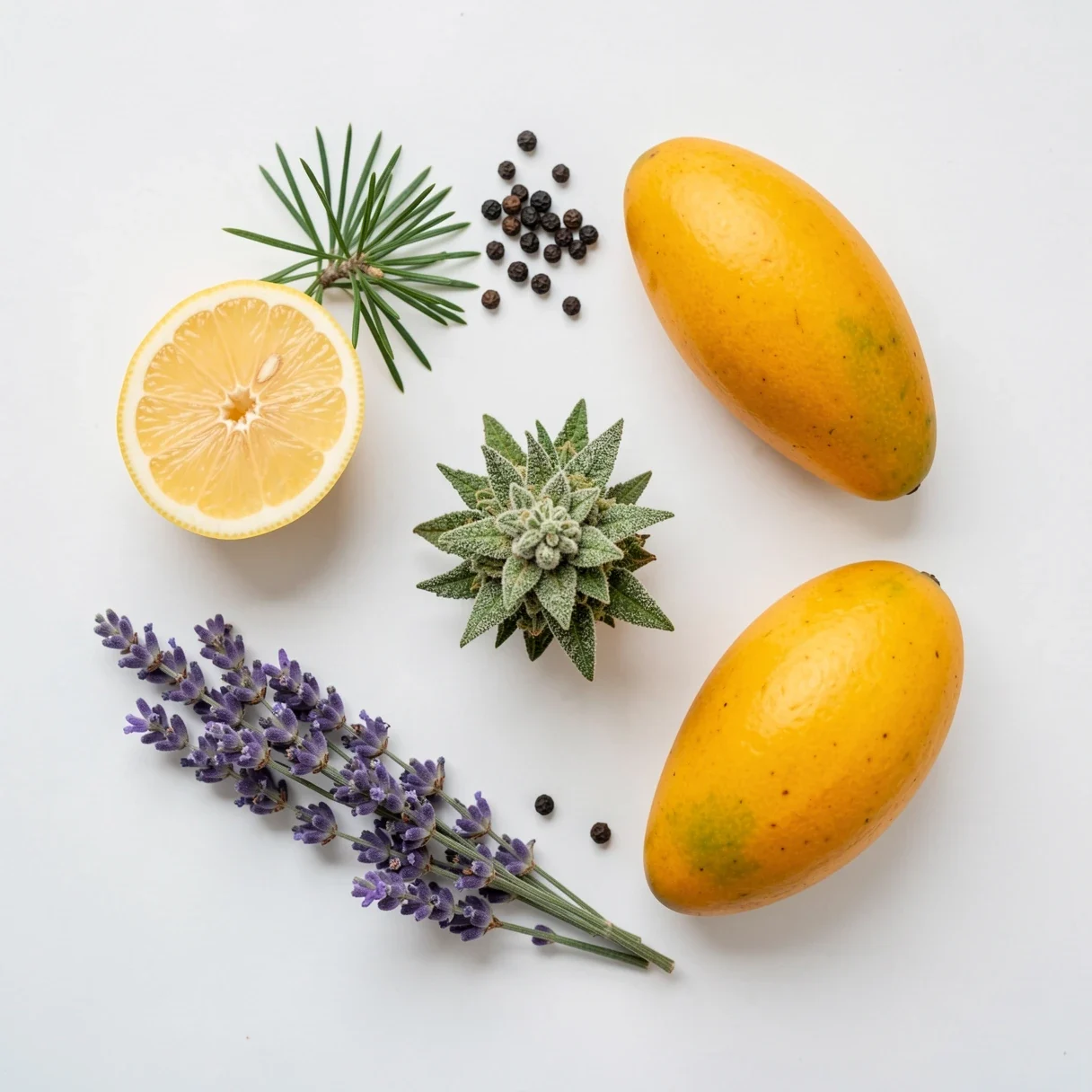
Terpenes are volatile aromatic compounds — the same class of oils that make pine smell like pine and a lemon smell like a lemon. Cannabis didn’t invent them. Lavender, hops, black pepper, mangoes, and rosemary make many of the same molecules. The plant just happens to make an unusually rich blend of them.
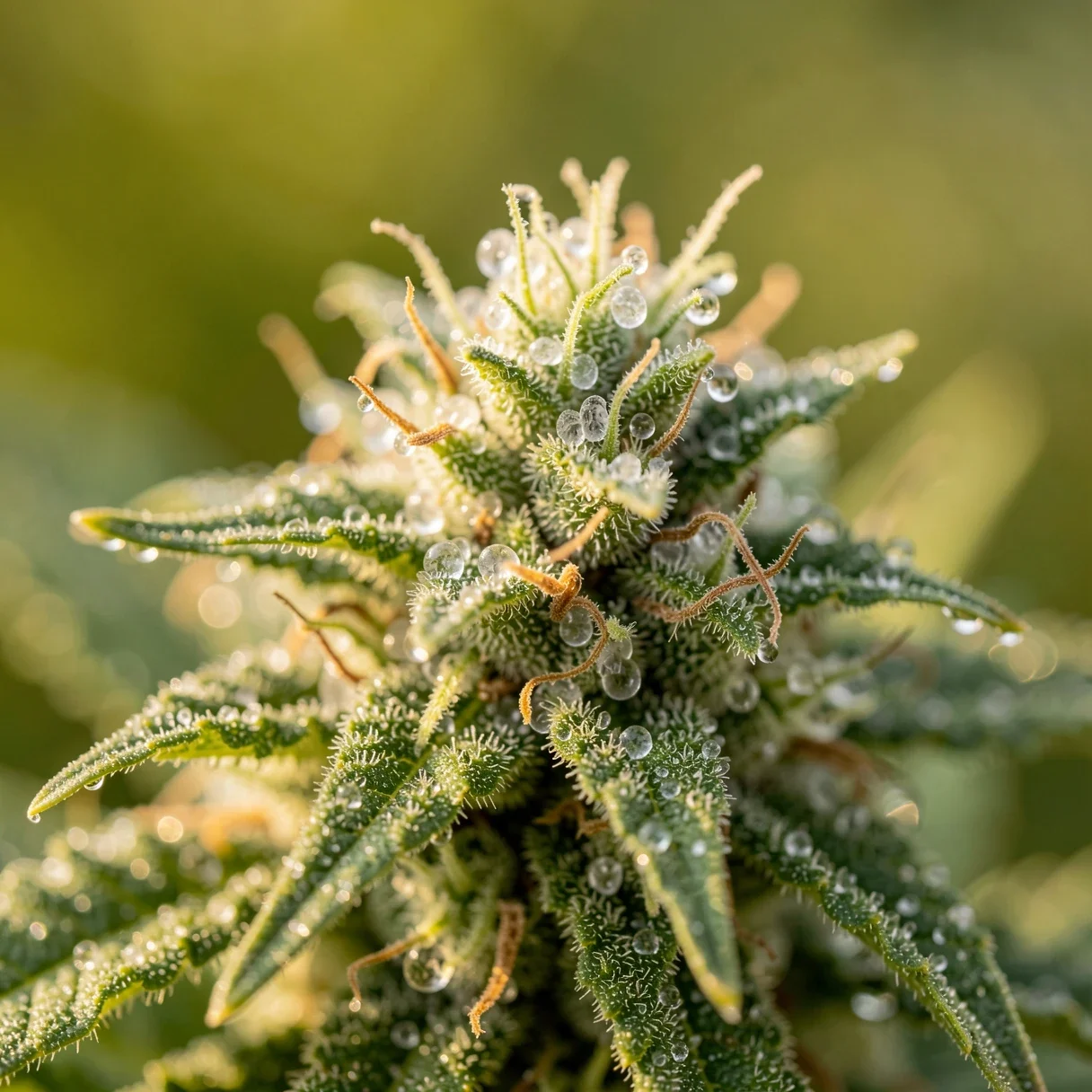
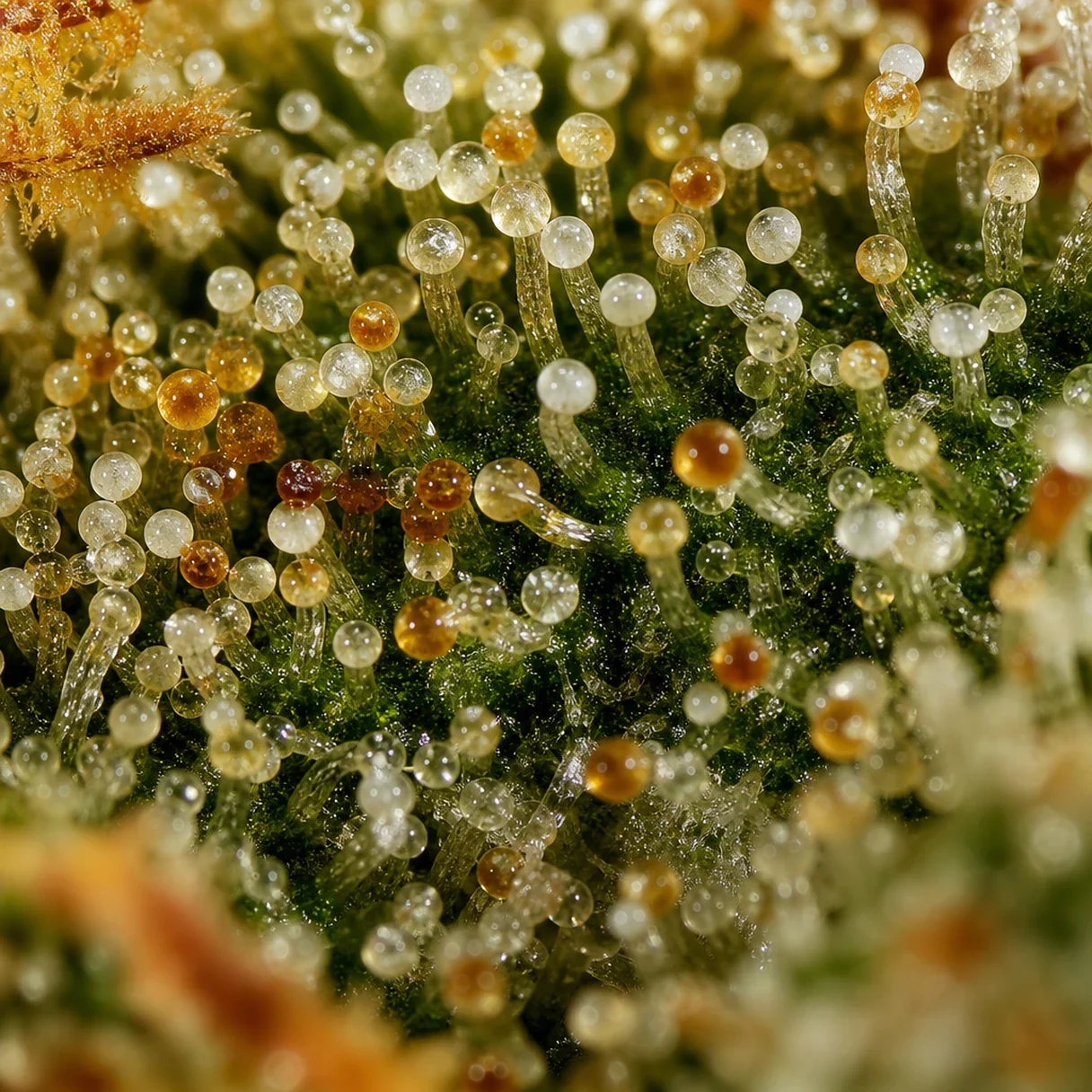
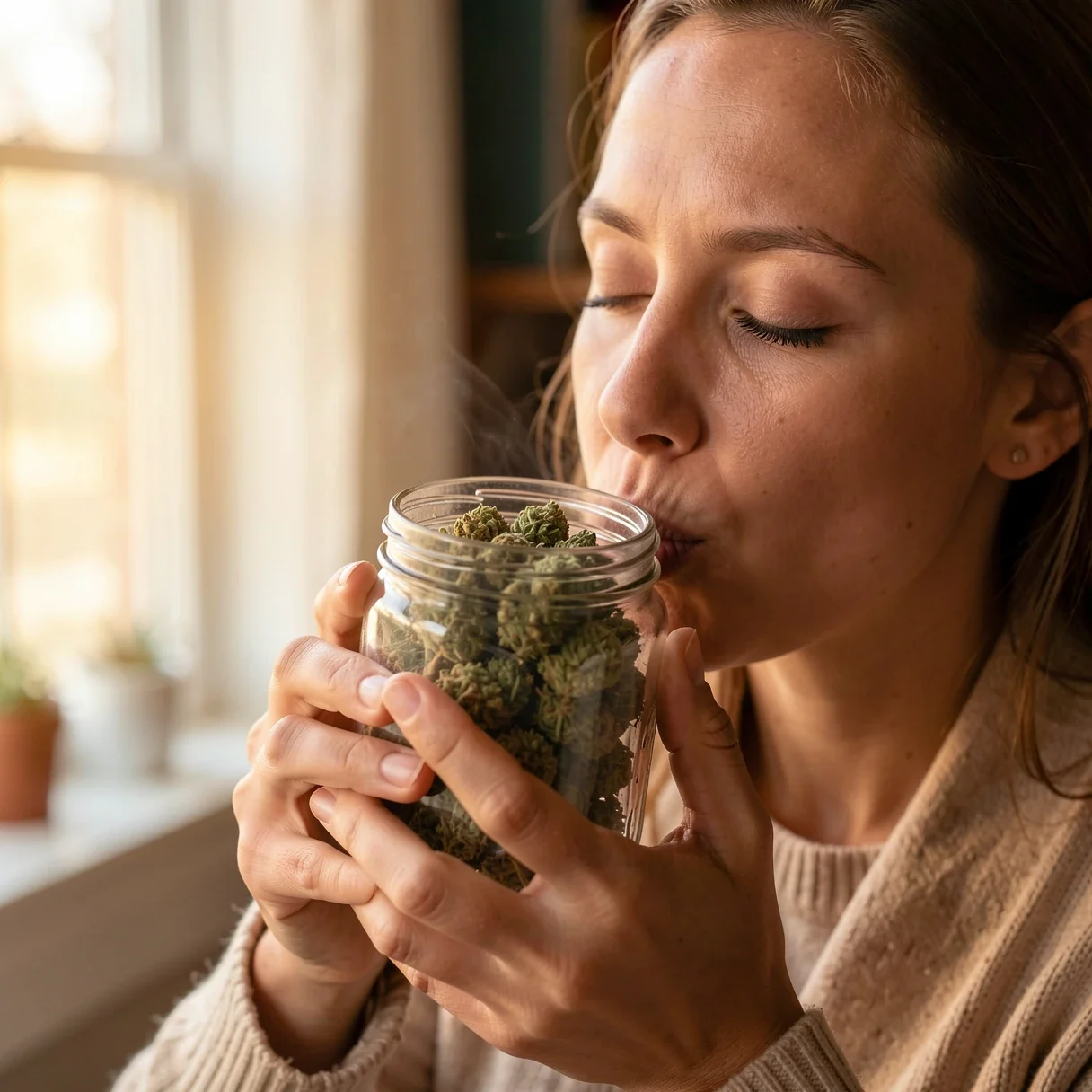
They’re produced in the trichomes, the frosty resin heads that also manufacture cannabinoids. So when you crush a bud between your fingers and that smell explodes out, you’re popping microscopic glands full of cannabis terpenes. More than a hundred different terpenes have been identified across the species, though any given plant leans hard on just a handful of dominant ones.
Here’s the part worth internalizing: everything your nose picks up comes from compounds that drift off the plant into the air. Cannabis terpenes carry a lot of it — the pine, the earthy base, much of the citrus. Not all of it, though. The skunky, gassy edge has been traced mainly to a family of trace sulfur compounds (Oswald et al. 2021), and in one lab’s survey, some of the sweet, fruity and candy notes came from esters and other minor compounds that a standard terpene panel doesn’t cover (Oswald et al. 2023).
You don’t need a chemistry degree to shop by flavor. You need to recognize maybe eight names. These are the heavy hitters — the cannabis terpenes that show up most often and most loudly in the strains people actually grow.
| Terpene | Smells / tastes like | Also found in |
|---|---|---|
| Myrcene | Earthy, musky, hop-like | Hops |
| Limonene | Citrus — lemon, orange, grapefruit rind | Lemon and other citrus peel |
| Caryophyllene | Black pepper, spice, warm wood | Black pepper, copaiba balsam |
| Pinene | Fresh pine, rosemary, sharp and clean | Pine and other conifers, sage |
| Linalool | Floral, lavender, soft and sweet | Lavender, basil |
| Terpinolene | Complex — fruity, piney, faintly herbal | — |
| Humulene | Hoppy, earthy, dry and woody | — |
| Ocimene | Sweet, herbal, a little tropical | — |
The other plants in the “Also found in” column, which share these cannabis terpenes, are from a 2011 pharmacology review (Russo 2011); a dash means we found no reliable source for one.
Myrcene is one of the three most abundant cannabis terpenes in US lab data, alongside caryophyllene and limonene (Smith et al. 2022), and it’s behind much of the earthy, musky, slightly fruity base under that classic weed smell (the sharp skunk on top comes from sulfur compounds, not terpenes). On its own it’s usually described as musky and hop-like (Sommano et al. 2020). Indica-labeled samples tend to carry a bit more myrcene (Watts et al. 2021), though not every kush does: Bubba Kush tested caryophyllene- and limonene-led in one dispensary survey (Fischedick 2017).
In our catalog, Afghani feminized seeds are the myrcene-forward example — an indica from Afghan landrace stock whose listing names myrcene as its lead terpene, with that old-school hash-and-earth flavor — and Blueberry Kush layers sweet berry on top of the same musky base.
If a strain smells like you just zested a lemon, limonene is often part of it, though not always the whole story: one lab traced the distinct citrus of some strains to trace sulfur compounds instead (Oswald et al. 2023). On its own, limonene smells bright and sharp, like citrus peel. Orange Creamsicle‘s listed tangerine-and-cream flavor, which really does taste like an orange ice cream bar, is the kind of profile limonene often drives, and Mandarin Cookies Autoflower is built around a nose its listing compares to fresh mandarin peel. Green Crack‘s listed mango-citrus flavor pushes in a sweeter direction.
Caryophyllene is a heavier molecule than most terpenes here (a sesquiterpene, like humulene), but on the nose it’s simple: black pepper. Warm, spicy, a little woody. It turns up heavily in a lot of fuel-forward and “funky” strains, adding the peppery backbone under the gas (the gassy part itself comes mainly from sulfur compounds, not terpenes). Gorilla Glue 4 pairs it with diesel and chocolate, and Bubba Kush runs a bold fuel-earth-coffee profile with that peppery edge underneath.
Exactly what it sounds like: pine needles, rosemary, a clean forest-floor sharpness that cuts through heavier smells. Blue Dream is the lab-backed example: in two US lab datasets it tested myrcene-led with pinene close behind (Fischedick 2017; Smith et al. 2022), and its listing carries a subtle pine note under the blueberry. Durban Poison, from South African landrace stock, also threads pine through its distinctive anise-and-citrus flavor. Pine on the nose doesn’t always mean pinene, though: Jack Herer smells piney and spicy, but lab tests keep finding terpinolene in the lead.
Linalool is lavender. Floral, sweet, gentle — one of the cannabis terpenes you’d never call “loud.” It usually plays a supporting role rather than headlining, smoothing out sharper notes. You’ll find hints of it in Grand Daddy Purple, whose grape-and-berry profile lists linalool right behind myrcene.
Terpinolene is hard to pin down because it’s never just one thing — fruity and piney and faintly herbal all at once. It’s the least common of the major cannabis terpenes, which is part of why terpinolene-dominant strains smell so distinctive. Jack Herer and Trainwreck lines lean this way, though not every haze does: a Strawberry Haze in one California dispensary survey was myrcene-led. Jack Herer is the textbook case, with terpinolene leading in lab tests (Fischedick 2017).
Humulene smells dry, earthy and a touch bitter, a hop-like note that makes some strains smell almost like a craft IPA. Among the cannabis terpenes it rarely dominates, but it adds a woody depth. It travels with caryophyllene: the two are made by the same enzymes and rise and fall together in US lab data (Smith et al. 2022).
Ocimene, the last of our eight cannabis terpenes, is sweet and herbal with a faintly tropical edge, and it usually plays a supporting role. Don’t expect it to explain every candy-sweet strain on its own, though: lab work on fruity and tropical-smelling cultivars traced a lot of that sweetness to esters and trace sulfur compounds rather than terpenes (Oswald et al. 2023). Forbidden Fruit, with its tropical-fruit flavor, and Watermelon Zkittles, with its watermelon-candy notes, sit firmly in that sweet camp.
No strain runs on a single terpene. What you smell is a blend of cannabis terpenes — a lead plus a supporting cast, in a ratio that varies from line to line. Two strains can share the same lead terpenes and still smell nothing alike: one aroma lab, drawing on a big US lab survey, points out that a skunky, woody OG and an intensely citrus-tropical Cookies cross fall in the same limonene-and-caryophyllene group, and its own work traced much of that kind of difference to trace compounds that aren’t terpenes (Oswald et al. 2023).
Those two kinds of study look like they disagree, but they measure different things. The big lab surveys sort samples by their main cannabis terpenes, and those do fall into a few recurring groups (Smith et al. 2022; Fischedick 2017). The aroma work, from one industry lab smelling 13 cultivars and later 31 hash rosins, found the mix of cannabis terpenes “remarkably similar” across jars that smelled very different, with the standout notes coming from compounds present at under 1 microgram per milligram (Oswald et al. 2021; Oswald et al. 2023).
Read together, the two say a strain’s lead cannabis terpenes are a fair guide to its broad character and a weak guide to the exact note that makes it special. The aroma side still rests on one company’s lab.
This is exactly why the flavor descriptions on a strain page matter more than any single buzzword. “Citrus” tells you the lead. “Citrus-skunk” or “citrus-cream” or “mango-citrus” tells you the whole chord. Blue Dream is the easy example — a sweet blueberry nose over a myrcene-led profile, not one flavor flying solo.
It also explains why two phenotypes from the same pack can smell different. Seeds from one pack carry different combinations of their parents’ genes, and terpene profiles also shift with growing conditions and maturity (Sommano et al. 2020). That variation is the whole reason breeders sniff through a room of plants to find the keeper — which is a rabbit hole worth its own read in our guide to phenotype hunting.
Shopping for flavor is simpler than shopping for effect. A survey of about 90,000 US lab samples found that many strain names hold a more consistent terpene profile from product to product than chance would predict, though some names are much looser than others, and that the indica/sativa labels people use to predict a high don’t reliably match the plant’s chemistry (Smith et al. 2022).
A Dutch study that also read the plants’ DNA found indica- and sativa-labeled samples genetically indistinct, and same-named samples often as far apart, in DNA and in their terpene and cannabinoid makeup, as differently named ones (Watts et al. 2021). So reading the cannabis terpenes and flavor notes a strain lists can stack the odds in your favor before the seed ever cracks, though it can’t guarantee them, since seeds from one pack vary.
Start with the flavor family you actually enjoy, then read the flavor notes:
A couple of our in-house lines put flavor near the top of the list. Frosted Grape Shoes, one of Mac’s own creations, was selected over multiple generations for its purple color and loud terpene profile, which leads with sweet grape, and Cement Shoes leans into a cookie-dough funk, with the heavy resin that makes it a hash-maker favorite. If you want to browse the full spread, our feminized seed collection and autoflower range both list flavor notes on every strain page. For a wider primer on matching genetics to what you want, our guide to choosing cannabis seeds covers the rest of the decision.
Two honest limits, because the internet oversells this.
First, cannabis terpenes are a decent guide to flavor and aroma (though, as above, not the whole story) — but the popular idea that a specific terpene guarantees a specific feeling (myrcene makes you sleepy, limonene lifts your mood) is far shakier than it gets credit for. Whether terpene mixes reliably change how a strain feels is still unknown and debated (Smith et al. 2022): the sleepy-myrcene idea rests mainly on animal work, and the best human evidence so far is one small limonene trial.
If you’re shopping for how a strain will make you feel rather than how its cannabis terpenes taste, that’s a different question — we cover it in our guide to choosing seeds by effect, and it’s worth keeping the two separate in your head.
Second, terpenes are fragile. The genetics set the potential, but heat after harvest, rough handling and a bad dry let it drift away: terpenes evaporate well below their boiling points, and a warm drying room speeds that up, stripping the very cannabis terpenes you bought the strain for. Getting the flavor into the jar is its own skill, and we break down the numbers in our piece on the best drying temperature for cannabis. Buying a flavorful strain is step one. Not cooking it is step two.
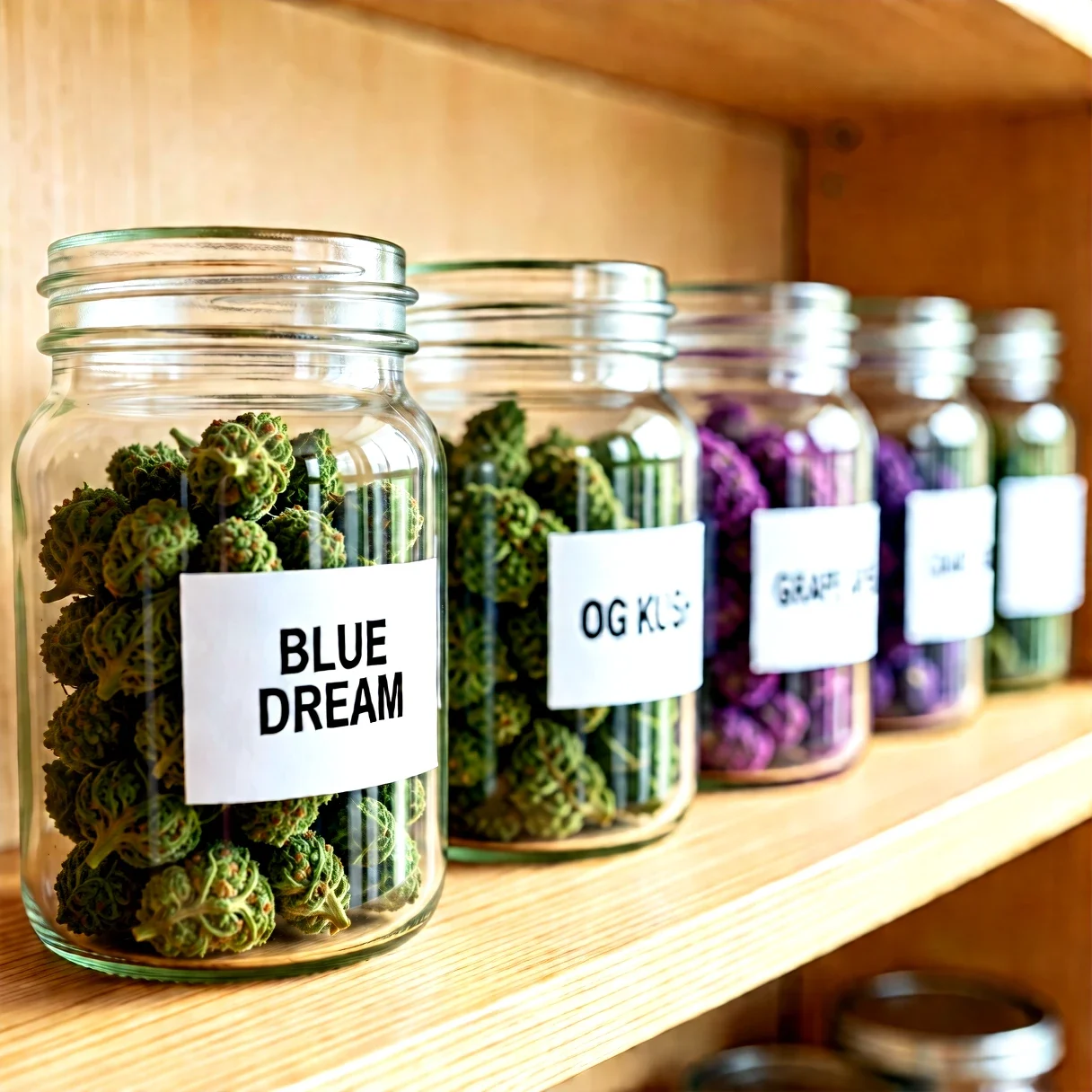
And if the strain names themselves confuse you — why everything is a “Cake” or a “Haze” or an “OG” — that’s a naming convention, not a flavor guarantee, which we untangle in cannabis strain names explained.
THC tells you how strong. Cannabis terpenes tell you a big part of what it’s like to smoke — and for most people, that’s the part they’ll remember. Learn to read a strain’s flavor notes and you stop gambling on flavor and start stacking the odds: citrus often points to limonene, earth to myrcene and pepper to caryophyllene, while the gas and much of the candy-sweet notes come from trace compounds riding alongside them. Match the family to your taste, then grow it carefully enough to keep it. Want to keep going? Browse the rest of our cannabis growing guides for the grow-side of getting that flavor into the jar.
Shop Feminized Seeds | Choosing Seeds by Effect | All Cannabis Growing Guides
Not directly. In a small 2024 human trial, vaporized limonene on its own felt no different from a placebo, though alongside a strong THC dose it eased the anxious, paranoid edge (Spindle et al. 2024). That’s one terpene in one trial. Terpenes shape aroma and flavor, and there’s an ongoing, unsettled debate about whether they subtly influence the character of a high (the so-called entourage effect). Treat the flavor as the sure thing and any effect tweak as a maybe.
Mostly not a terpene at all. The skunky smell people think of as “weed” has been traced to a family of sulfur compounds, chiefly one called 3-methyl-2-butene-1-thiol. Myrcene supplies the earthy, musky base underneath that skunk, and it’s often the most abundant of the cannabis terpenes in the jar.
You can protect them more than create them. Genetics set the ceiling, but a cool, careful dry keeps more terpene oil than a hot one. Heat is the cost, not speed: in a 2024 study at 15°C (59°F), buds dried fast in controlled-atmosphere chambers kept their terpenes, while slow open-air drying left one chemovar heavily molded (Birenboim et al. 2024). In one purple hemp line, a month at a constant 8–15°C (46–59°F) in flower gave the most purple pigment, while flower weight and CBD rose with warmer temperatures (Kim et al. 2025). That study didn’t measure aroma, so it says nothing about whether cold boosts terpenes.
No. Terpenes are aromatic oils and a big part of smell and taste. Flavonoids are a separate group of compounds, more associated with color and pigment than aroma. When people talk about how a strain smells and tastes, cannabis terpenes are usually what they mean, though trace sulfur compounds and esters play a part too.
Keep reading
 Cannabis Strain Names Explained
 What Does 420 Mean? The Origin and Culture of Cannabis’ Most Famous Number
 Cannabis Seed Generations Explained
Browse all guides to growing cannabis by topic, from germination to harvest.
Ready to grow? Browse premium seeds from Lighthouse Genetics:
Designed & Built by Wynne Web Design