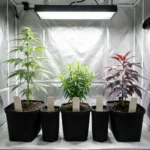
Growers obsess over air temperature. There’s a thermometer clipped to the tent pole, a controller wired to the exhaust fan, a humidity gauge glowing on the shelf. Almost nobody has a probe in the pot. And that’s a shame, because the temperature down where the roots live is quietly deciding how fast your plant eats, drinks, and grows — often more than the number on the wall.
Root zone temperature is the most overlooked dial in a home grow. Get it into the sweet spot and the plant runs efficiently in heat that would otherwise stall it. Let it drift cold and a healthy-looking plant just sits there for weeks doing nothing. This guide covers what the research actually shows about root zone temperature, why cool roots in summer and warm roots in winter both pay off, and the cheap ways to control it without buying a commercial chiller.
Roots aren’t passive straws. They’re metabolically busy — actively pumping water and dissolved nutrients into the plant, respiring, building new tissue. Like every chemical process, that work has a temperature it likes. Too cold and everything slows: respiration drops, the membranes that move nutrients get sluggish, and water uptake falls off a cliff. Too hot and a different problem shows up — the roots burn energy faster than they can use it, and warm water holds less dissolved oxygen, so the root zone starts to suffocate.
This isn’t cannabis folklore. It’s basic plant physiology that’s been measured across crop after crop. In a peer-reviewed study on hydroponic lettuce, researchers found that nudging root zone temperature just 3°C above air temperature raised shoot dry weight by 14 to 31% and root dry weight by 19 to 30% across a range of air temperatures — and it lifted the levels of magnesium, potassium, iron and amino acids in the leaves. The roots warmed up, the whole plant ate better. That’s the root zone temperature mechanism your cannabis plant runs on too.
For cannabis, the target most experienced growers and greenhouse operators aim for is a root zone temperature in the low-to-mid twenties Celsius — roughly 20–24°C (68–75°F). That’s the band where nutrient uptake hums, oxygen stays available, and the roots build mass without wasting energy. Slightly warmer than that is usually fine; the trouble starts when you drift toward the extremes.
The honest caveat: there is far more rigorous peer-reviewed work on root zone temperature in tomatoes, cucumbers, lettuce and paprika than there is on cannabis specifically. The cannabis-specific numbers that get quoted online — the eye-popping yield jumps — come mostly from commercial greenhouse trials run by root-cooling companies, not independent journals. ROOTS Sustainable Agriculture Technologies, the firm behind much of the “root zone temperature” buzz in cannabis, reports figures like a 10–20% increase in cutting volume from holding the root zone at 20–24°C. Treat the exact percentages as marketing-adjacent. The direction, though, is backed everywhere: roots in their comfort band outperform roots that are too cold or too hot.
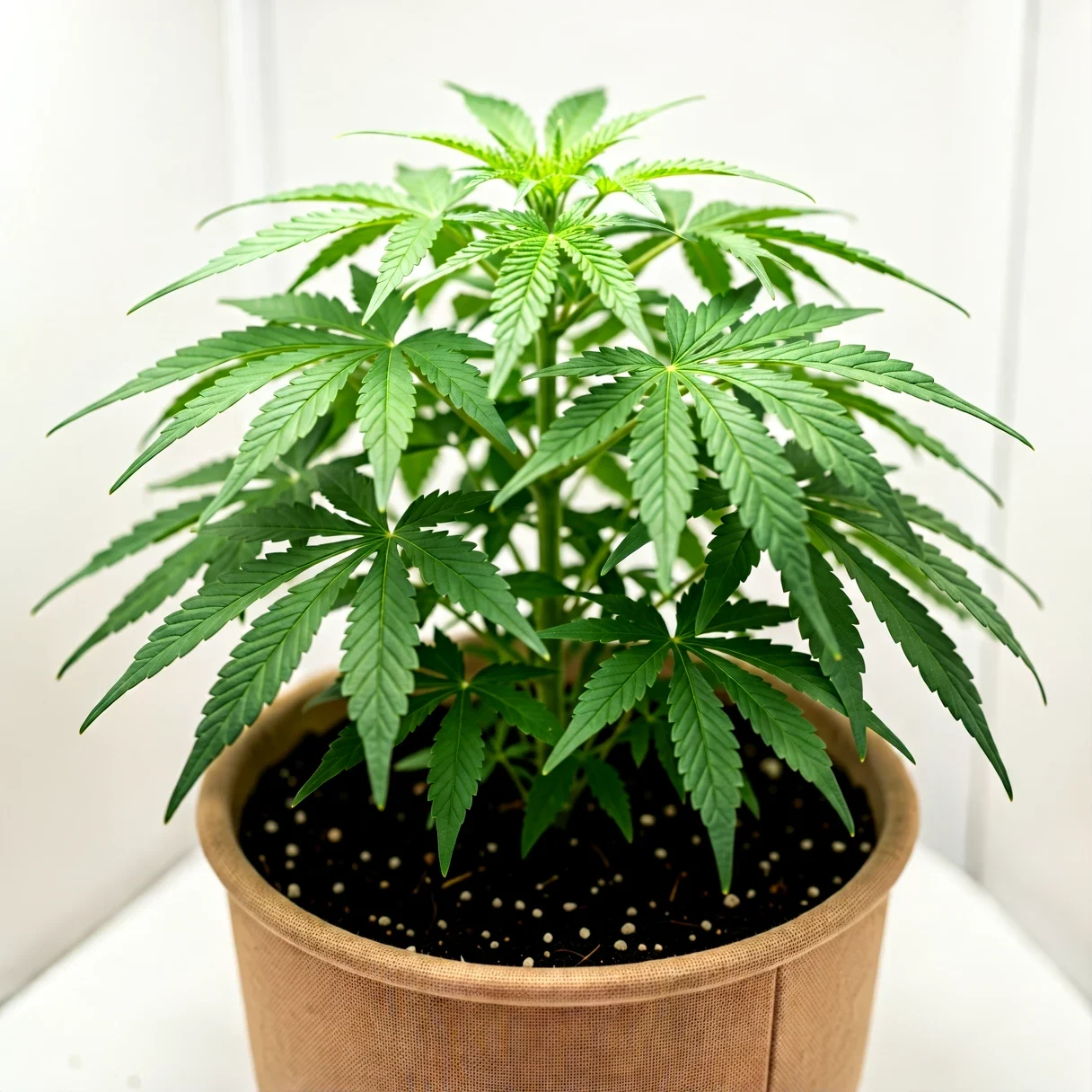
Cold roots are the more common problem, and the sneakier one, because the plant doesn’t wilt or burn — it just stops. Growth stalls, the lower leaves often go a dull purple, and the medium stays wet for days because the roots have slowed their water uptake to a trickle — all classic signs of a root zone temperature that’s too low. Beginners read that wet pot as overwatering, hold back even more, and make it worse. The actual problem is that cold roots can’t drink.
The usual culprit is the floor. A fabric pot sitting directly on a concrete slab or a basement floor in winter wicks heat straight out of the medium — the root zone can run several degrees colder than the air in the tent, especially overnight when the lights are off. Cold roots also struggle to pull phosphorus, which is why phosphorus-deficiency symptoms (dark leaves, purple stems) so often show up in cold tents even when there’s plenty of phosphorus in the pot. If you’re chasing what looks like a feeding problem, rule out temperature first — it’s the same logic we lay out in our guide to cannabis nutrient deficiencies.
The opposite problem hits in July. A sealed tent in a hot room, black plastic pots soaking up lamp heat, and suddenly the medium is sitting at 30°C or more. Warm roots respire fast and inefficiently, and the warmer the water in the medium, the less oxygen it can hold — so the root zone heads toward the oxygen-starved conditions that invite root rot.
This is exactly why root cooling shows the biggest gains in hot climates: a peer-reviewed paprika trial found that cooling the root zone in summer raised fruit yield by nearly 50% versus uncooled controls, because keeping the roots cool while the canopy ran hot kept root activity high. The same study noted that a high root zone temperature can actually drag down leaf photosynthesis — roots that are too hot make the whole plant photosynthesize worse.
If your grow lives in a hot attic, garage, or any space that bakes in summer, root zone temperature is probably costing you more yield than you realize. It’s the quiet partner to getting your cannabis light intensity right — all the photons in the world don’t help if hot roots won’t feed the canopy.
Pull the threads together and a clear, honest picture emerges — stronger on direction than on exact cannabis numbers.
So don’t grow a post-it note of someone’s “40% more yield” claim. Grow the principle: keep the root zone in the low twenties, and fix it first when it’s clearly too cold or too hot. Root zone temperature belongs on the same shortlist of yield levers as light, airflow, and feeding — see how it fits the bigger picture in our guide to maximizing yield in cannabis.
Winter and cold basements are the enemy here. The fixes are cheap.
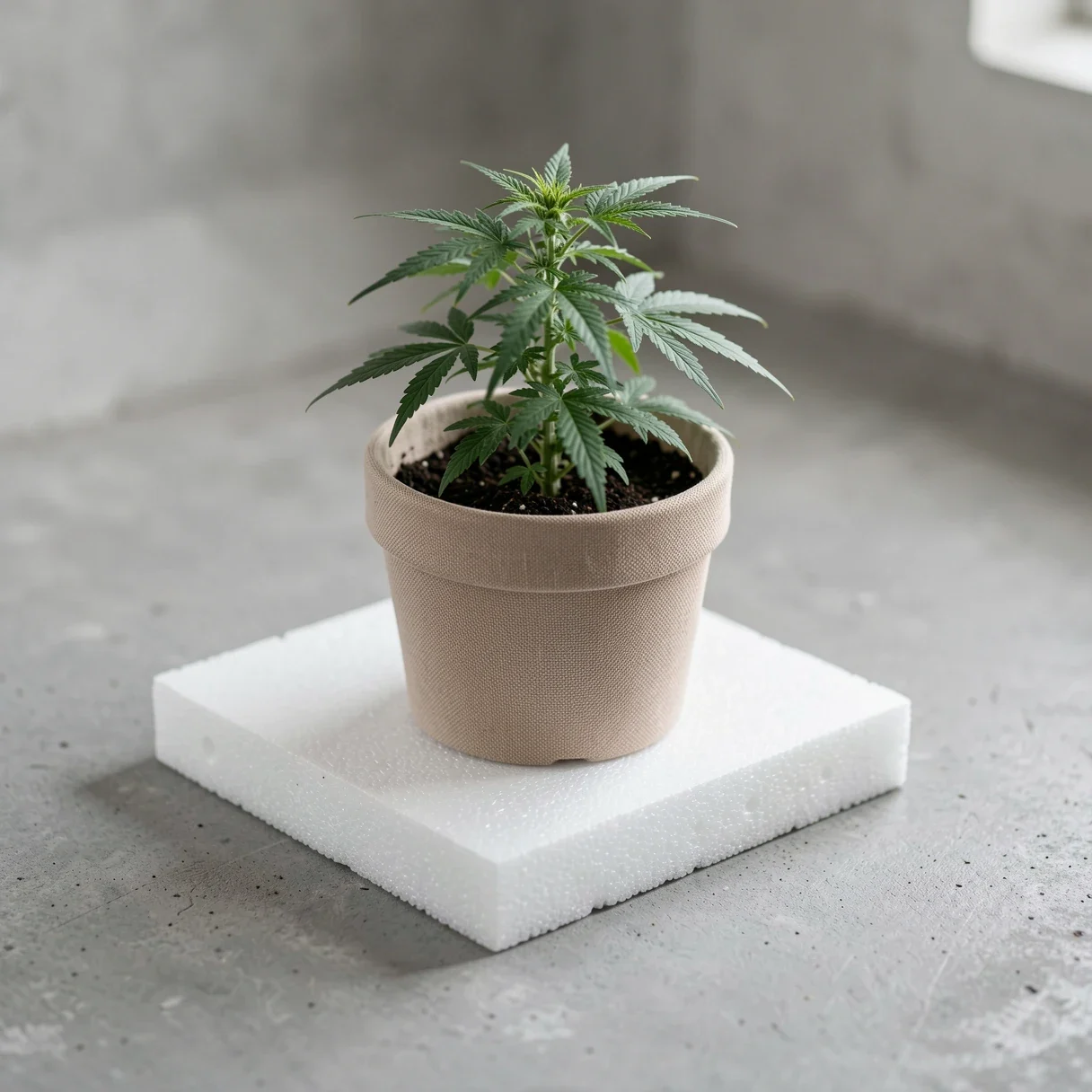
Summer is the harder fight, but you don’t need a commercial chiller.
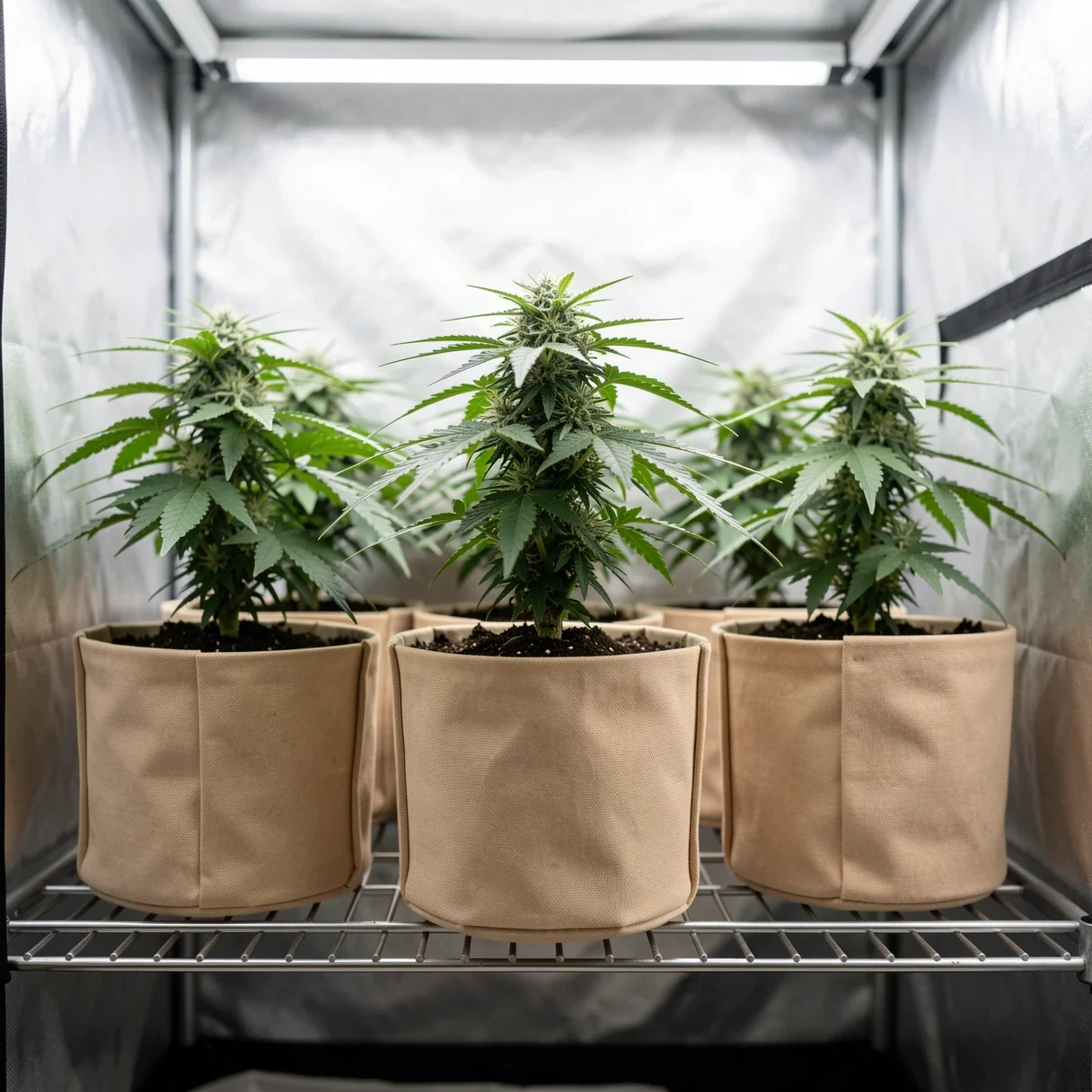
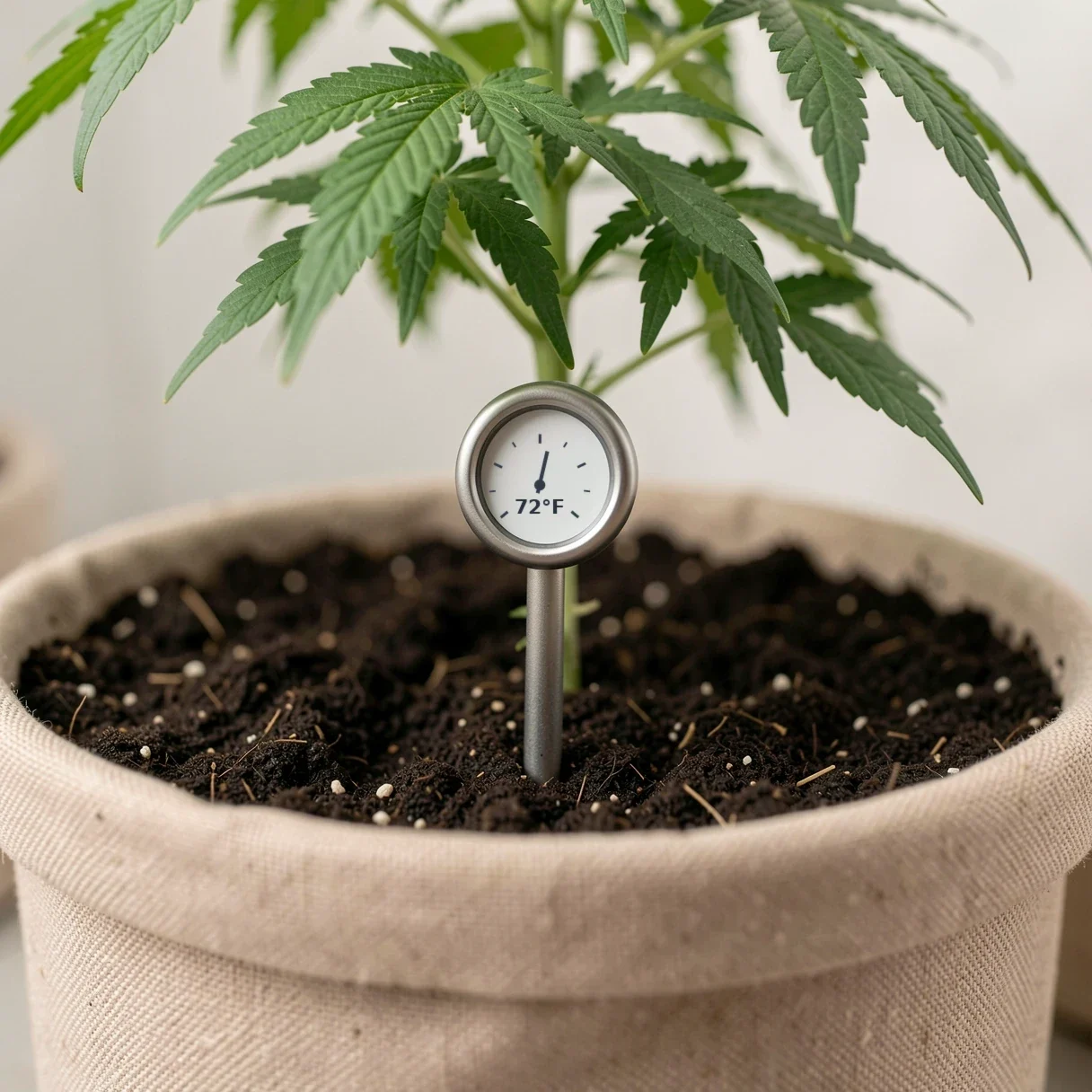
You cannot manage a number you never read. A basic soil or compost thermometer — the kind that costs less than a bag of nutrients — pushed a few inches into the medium tells you your real root zone temperature, which is frequently nothing like the air temperature on the wall gauge. Check it at the hottest part of the day and again deep into the dark period; those two readings show you the actual swing your roots ride every cycle. Most growers who finally probe the pot are surprised by how far off the target they’ve been.
If you only act on one thing from this post, make it this: measure your root zone temperature by putting a thermometer in the pot for one full day. Whatever you find, you’ll know which half of this guide to read twice.
Genetics won’t replace good root management, but some plants tolerate a warm or swinging root zone far better than others — generally the hardy, heat-adapted lines with landrace blood. If your space runs hot and you can’t fully control it, start with tougher genetics:
Hot tents also favor compact, fast plants that spend less time exposed to the worst of summer — many autoflower seeds finish quickly enough to dodge the peak. Browse the full feminized cannabis seeds lineup for hardy photoperiod options, and if you’re newer to the whole setup, our grow tent setup guide covers where root zone temperature fits among the other controls.
Aim for roughly 20–24°C (68–75°F) in the medium. That’s the band where nutrient uptake and root growth run efficiently. A bit warmer is usually fine; the real damage happens when the root zone runs cold (below the high teens) or hot (pushing past the high twenties), where uptake and oxygen availability both fall off.
Cold roots are a prime suspect. When the root zone temperature drops, water uptake slows and the medium stays saturated long after a normal pot would have dried — which looks exactly like overwatering. Before you cut back on water, put a thermometer in the pot. If the roots are cold, warm them and the drying time usually returns to normal.
In hot conditions, yes — that’s where the gains are largest, because you’re rescuing roots that were overheating. Peer-reviewed work in other crops shows large summer yield gains from root cooling, and commercial cannabis greenhouse trials report the same direction. In an already comfortable root zone, extra cooling does little; this is a fix for an actual problem, not a free upgrade.
Not for a home grow. Insulating pots off cold floors, using light-colored fabric pots, shading containers, managing water temperature, and a frozen bottle in a heat spike will hold root zone temperature in range for a few plants. Chillers earn their keep at commercial scale, not in a closet tent.
Root zone temperature is the cheapest yield lever most growers never touch. The science across crops is consistent: roots in the low-twenties range feed the plant efficiently, cold roots stall it, and hot roots quietly choke it — with root cooling showing the biggest payoffs in warm climates. You don’t need fancy gear, just a thermometer in the pot and a few dollars of insulation or shade. Read the number, keep it in the band, and you’ve fixed a problem most of your competition doesn’t even know they have.
Shop Feminized Seeds | Maximizing Yield in Cannabis | Spot & Fix Nutrient Deficiencies | Grow Tent Setup Guide
Want to keep learning? Browse our full library of our cannabis growing guides — everything from germination to harvest, in one place.
Ready to grow? Browse premium seeds from Lighthouse Genetics:
Designed & Built by Wynne Web Design