It’s one of the most repeated tips in growing circles: starve your plants of water near the end of flower and they’ll punish themselves into making more THC. It sounds plausible — stress the plant, it fights back, you get frostier buds. The problem is that drought stress is one of those ideas where the actual research is a lot more cautious than the forum posts.
There is a real study behind the hype. There are also several newer studies that complicate it, and a few that flat-out contradict it. So before you let your pots go bone dry in week seven hoping for a potency miracle, it’s worth knowing what the science actually found — and how easy it is to turn a small, finicky gain into a yield disaster.
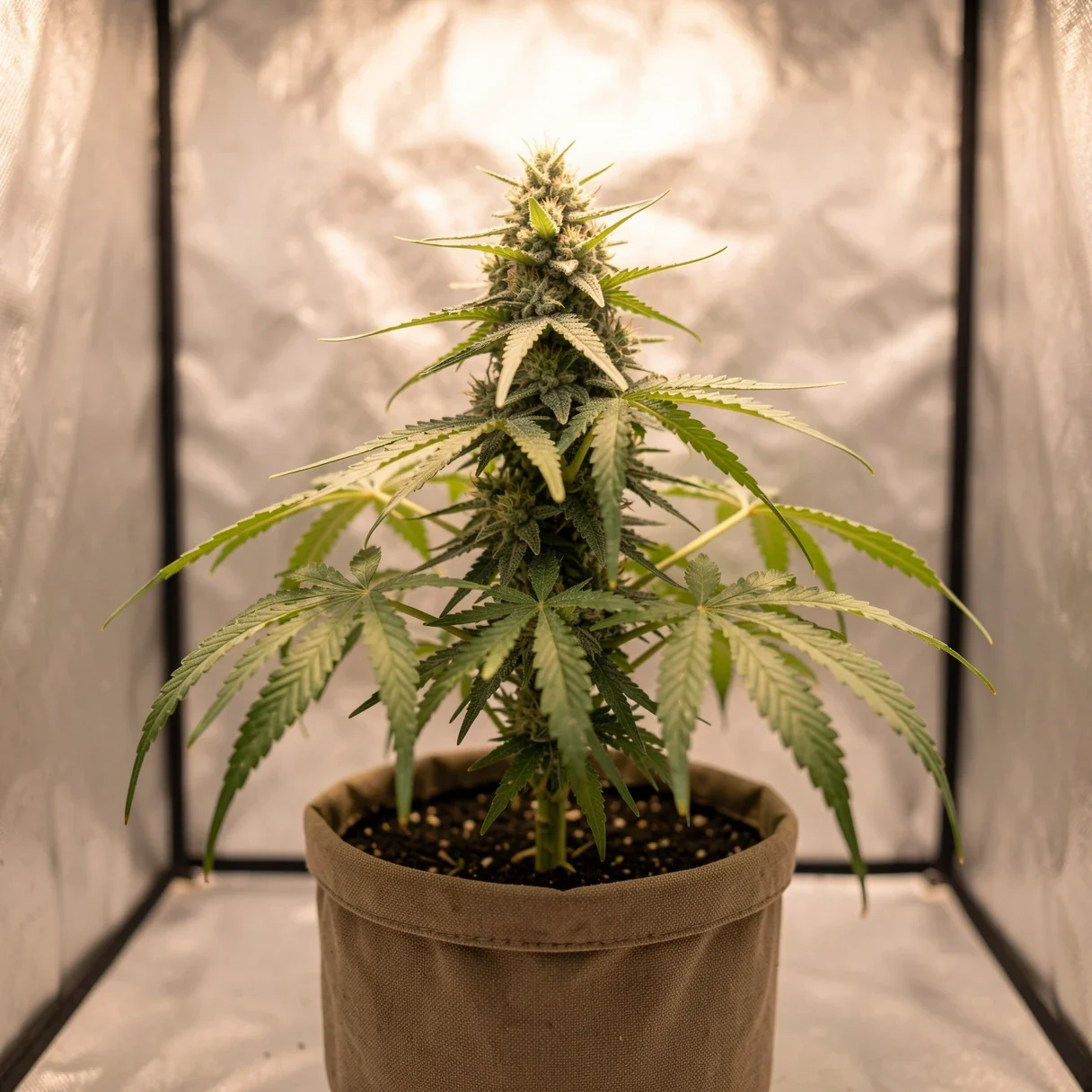
The headline study is Caplan, Dixon, and Zheng (2019), published in HortScience. Working with container-grown medical cannabis, they ran a single, carefully measured drought during late flower. Instead of watering on a schedule, they withheld water in week seven and let the substrate dry down gradually until the plants hit a midday water potential of roughly −1.5 MPa — the point of visible wilting, which took about eleven days. Then they watered again.
The results are why everyone cites this paper. Compared to the well-watered control, the drought-stressed plants had about 12% higher THCA concentration and 13% higher CBDA. The buds were genuinely a bit more potent by weight.
Notice the word “controlled.” This wasn’t neglect. The team monitored leaf angle, photosynthesis, and substrate moisture the entire time, and they applied the stress exactly once, at a specific growth stage, with a gradual onset that let the plant acclimate rather than crash. That distinction matters more than almost anything else in this conversation.
If drought stress were a reliable potency switch, every study after Caplan would have confirmed it. They didn’t, and the picture that emerged is far more conditional.
A 2024 study on floral hemp found that severe drought significantly reduced both yield and cannabinoid content — while moderate drought changed essentially nothing. In other words, push too hard and you lose flower and potency; stay gentle and you may get no measurable boost at all. The window where drought helps appears to be narrow, and it sits right next to a window where drought hurts.
Newer work makes it messier still. A genotype-comparison study found that water-deficit stress imposed at early flowering reduced THC and CBD concentrations in both varieties tested — by anywhere from 7% to 25% depending on the compound and the plant. The two genotypes also responded very differently to the same stress, which points to the real takeaway: how a plant reacts to drought depends heavily on its genetics, the timing, and the severity. There is no universal dial.
This is the honest state of the evidence. One well-run study shows a modest gain under very specific conditions. Several others show no gain, or a loss, when the timing or intensity shifts. That’s not a reason to dismiss drought stress entirely — it’s a reason to treat drought stress as a small, conditional tool rather than a guaranteed upgrade.
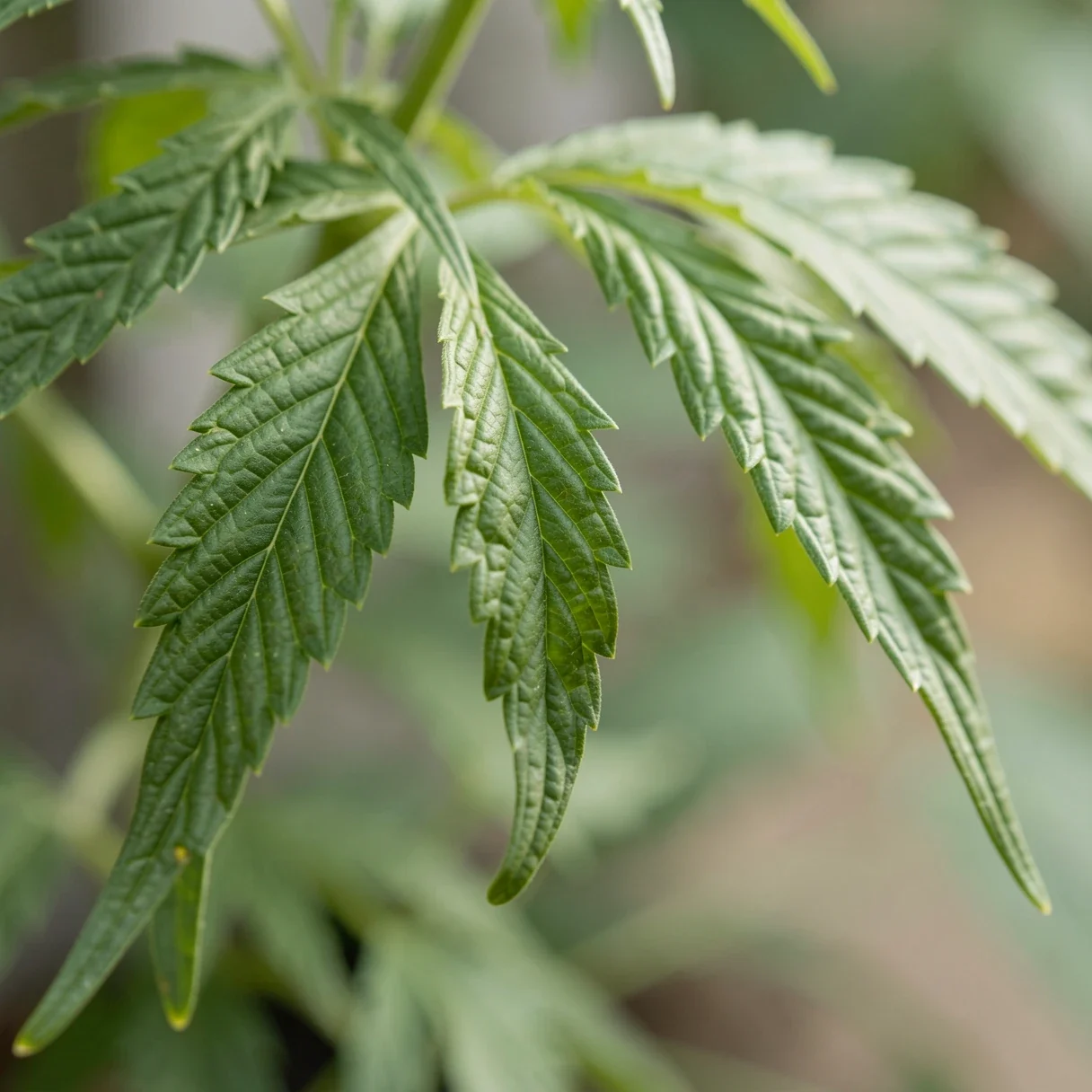
Here’s where the Caplan numbers get misread. People see “drought stress increased THC yield by 50%” and assume the buds got 50% stronger. They didn’t. That 50% is yield per square meter — total cannabinoids harvested from the growing area — and it combines two separate effects. The flower was about 12% more potent by weight, and the plants also produced more inflorescence dry weight overall. Multiply those together across the canopy and you get the big-sounding yield figure.
So the real, repeatable claim from the best study is modest: roughly a 12–13% bump in cannabinoid concentration. A jump from, say, 20% THC to around 22% or 23%. Real, but not the kind of thing that turns a mid-shelf strain into a knockout. If you’re chasing raw potency, that gap is smaller than the difference between two phenotypes of the same strain — which is exactly why genetics matter more than tricks. We dig into the other potency levers in our guide to maximizing THC potency.
If you want to experiment with drought stress, do it the way the researchers did — controlled, late, and only once. The goal is a single gentle dry-down, not a parched plant limping to harvest. Here’s the approach that keeps the risk low.
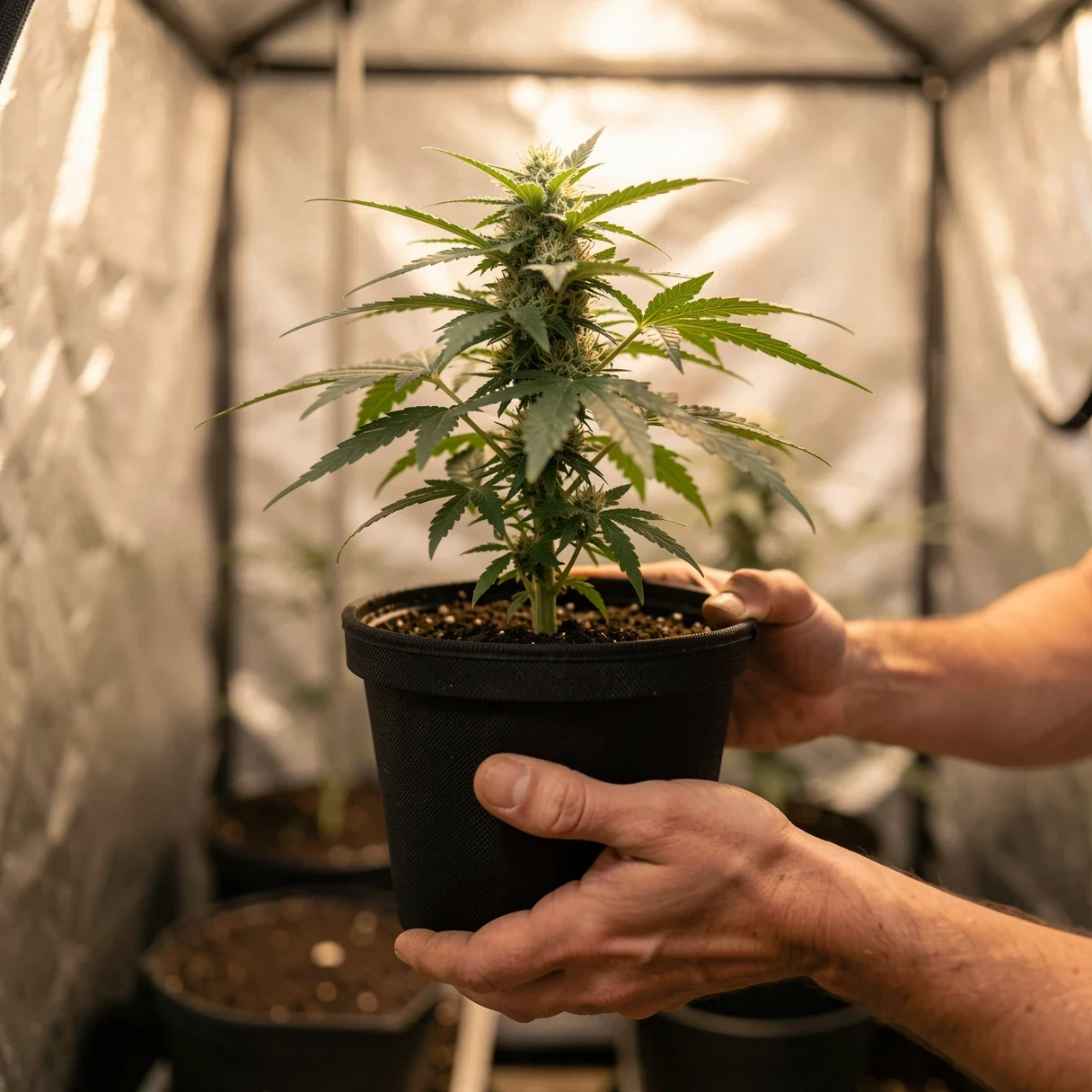
One more caution: a stressed, slightly wilted plant late in flower is also a plant with less defense against problems. Watch your humidity, because dense late-flower colas plus any moisture stress is a recipe for bud rot. If anything, keep airflow up while you run the experiment.
Strip away the forum lore and the pattern is clear: the plant’s genetics set the potency ceiling, and growing technique decides how close you get to it. A 12% drought bump on a genuinely high-THC strain is a nice extra. The same trick on a mid-tier plant just gives you a slightly stronger mid-tier plant.
That’s why the most reliable way to harvest potent flower is to start with potent genetics. In our catalog, the strains that test in the Very High (25–30%+) band are doing far more for your end result than any watering schedule. Godfather OG, Gorilla Glue 4, and Cement Shoes all sit at the top of that range. Bruce Banner and Train Wreck are right there with them.
If you’d rather grow something Mac bred and stabilized himself, Neptune’s Wedding is one of our in-house originals that also lands in the very-high band. Whatever you pick, you’ll get more from choosing the right plant than from withholding water. Browse the full feminized cannabis seeds lineup, or the autoflower seeds if you want a faster, lower-fuss run.
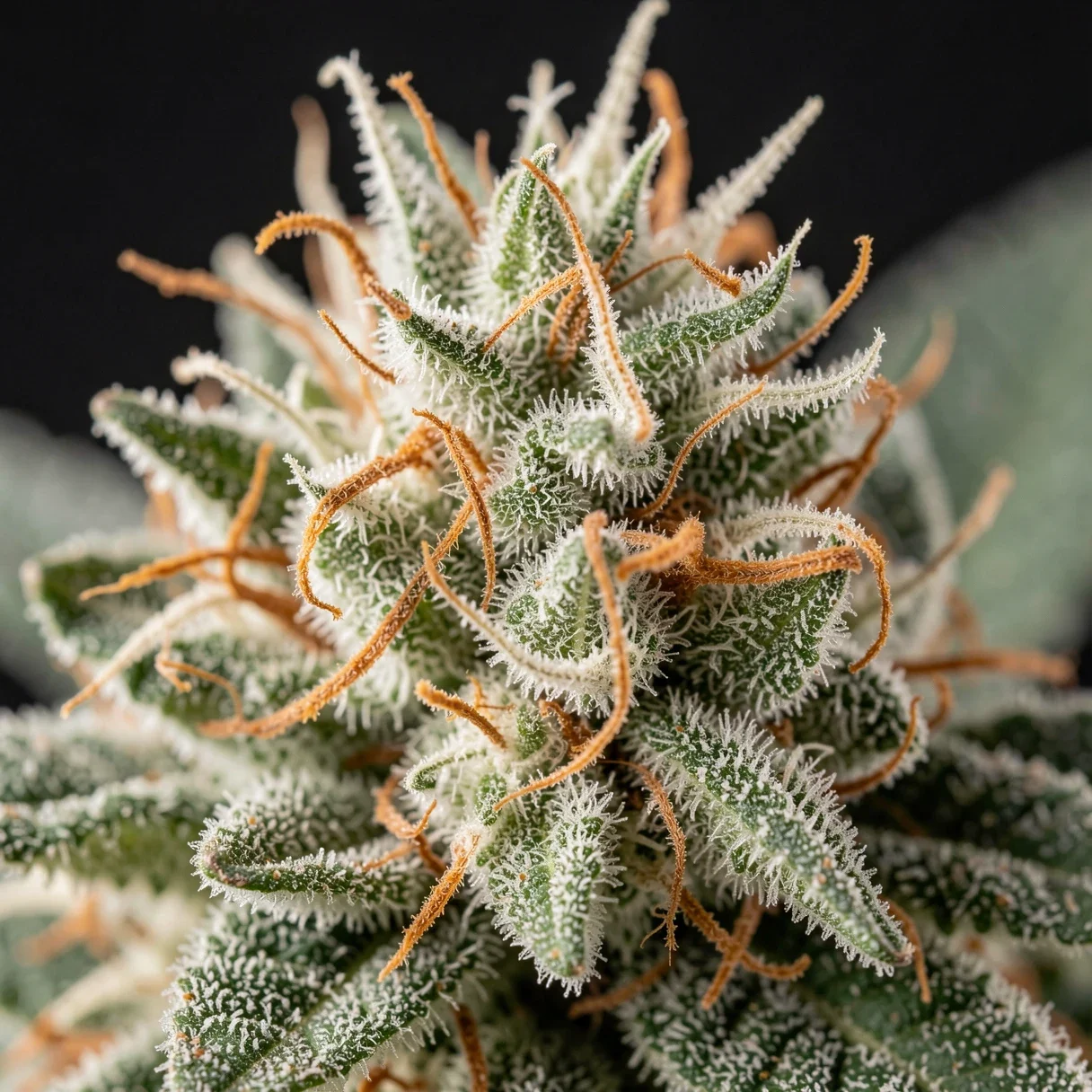
The same logic applies to everything else in the grow. Getting your light intensity right or nailing your harvest timing will move your potency more than a risky dry-down ever will. And if you’ve heard that UV light is the secret to more THC, that one has its own science worth reading — see does UV light increase THC.
Sometimes, slightly. The best-controlled study found about a 12% increase in cannabinoid concentration from a single late-flower dry-down. But other studies found no change under moderate stress and a decrease under severe or badly timed stress. It’s a small, conditional effect, not a reliable potency switch.
If you try it at all, do it once in late flower — around week seven or in the final couple of weeks before harvest — never in early flower, where the research saw potency fall. Let the pot dry until you see the first leaf droop, then water normally.
Yes. Severe or repeated drought reduces both flower weight and cannabinoid content. The gentle, one-time dry-down used in the research is the only version with any upside, and even then the gains are modest. Overdo it and you lose more than you gain.
No. Autoflowers run on a fixed timeline and don’t bounce back from stress the way photoperiod plants do. Keep their watering consistent and let the genetics do the work.
For most growers, no. The potential gain from drought stress is small and the downside risk — lost yield, bud rot, a stalled plant — is real. Your time is better spent on genetics, light, and harvest timing. Treat drought stress as an advanced experiment, not a core technique.
Drought stress isn’t a myth, but it isn’t a cheat code either. One well-run study showed a real if modest potency bump from a single, controlled, late-flower dry-down — and a stack of other research shows that getting the timing or intensity wrong does nothing or actively hurts. The effect depends on genetics, stage, and severity, and the safe version barely moves the needle.
If you’re curious, try it once, gently, in late flower, on a photoperiod plant in a pot — and watch your humidity. But don’t expect magic. The growers harvesting the frostiest jars aren’t starving their plants. They’re starting with strong genetics, lighting them properly, and harvesting at the right moment. That’s where your potency really comes from.
Shop Feminized Seeds | Maximizing THC Potency | When to Harvest Cannabis
Want to keep learning? Browse our full library of cannabis grow guides — everything from germination to harvest, in one place.
Ready to grow? Browse premium seeds from Lighthouse Genetics:
Designed & Built by Wynne Web Design