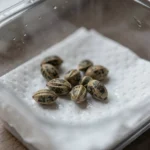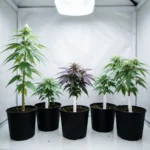
Every cannabis strain that exists today started with regular cannabis seeds. Not feminized, not autoflower — regular. The plain, unmodified format where roughly half your seedlings come up male and half come up female, exactly the way the plant has reproduced for thousands of years.
Walk through a modern seed catalog, though, and regular cannabis seeds are almost nowhere to be found. Feminized and autoflower took over, and for most growers that was the right trade. But regulars never went away — they just moved upstream, into the breeding rooms where new strains actually get made. This post covers what regular cannabis seeds are, how they differ from feminized, and the honest answer to who should still be growing them.
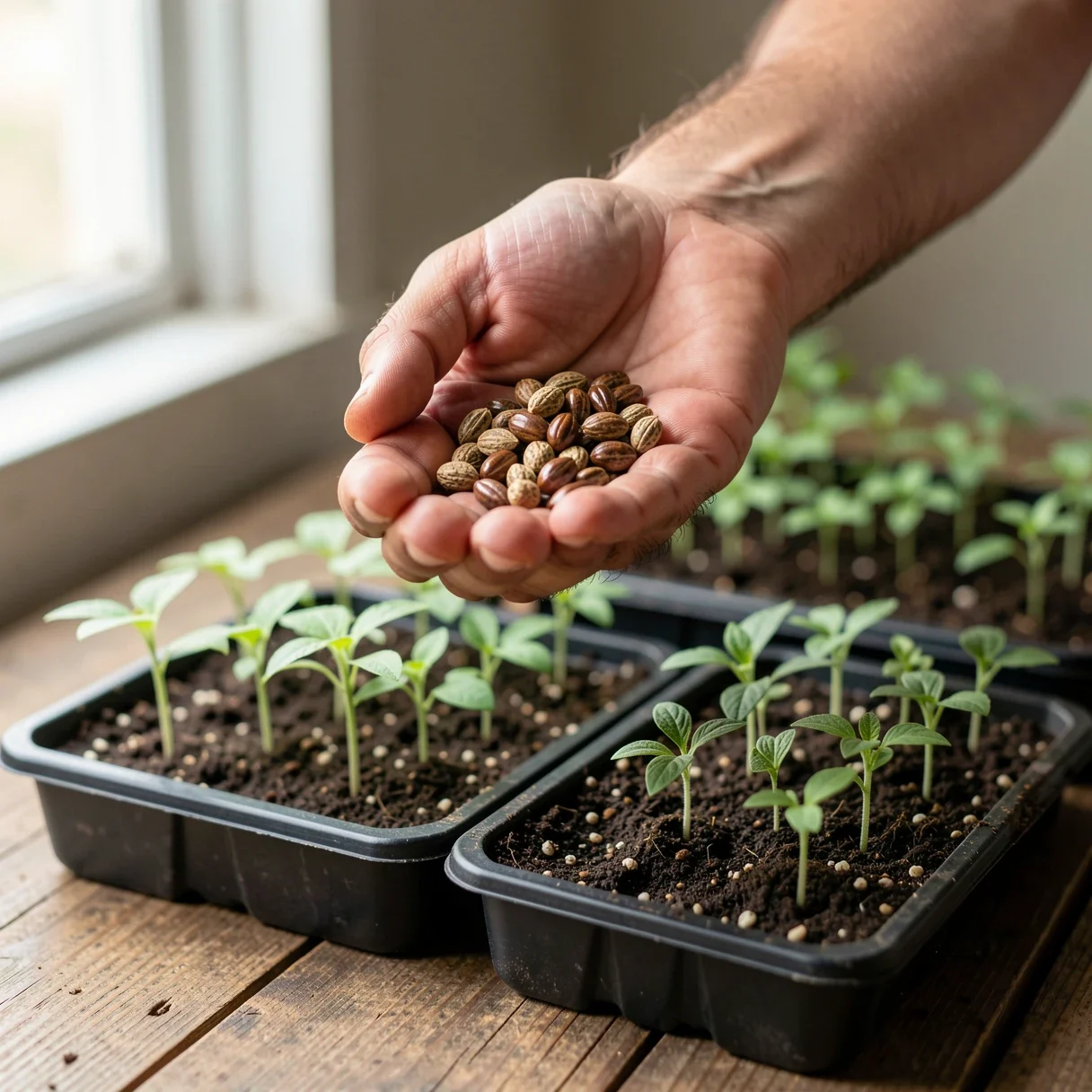
Cannabis is dioecious — male and female flowers grow on separate plants, which is unusual in the plant world. Sex is set by X and Y chromosomes: females carry XX, males carry XY, the same letters as in humans. A 2020 study in Frontiers in Plant Science found that seeds from normal cross-pollination — a male fertilizing a female — split male to female at about 1:1. The batches were small and the count varied: 5 males to 7 females in one cross, 9 to 5 in the other.
Here’s the part that trips up new growers: that 1:1 split is an average across a lot of seeds, not a promise on any single pack. It’s pure luck of the draw. Buy a 5-pack and you might get five females — or five males, or any mix in between. There’s no guaranteeing sex with regular seeds, and there is no way to tell which is which by looking at the seed. The 50% figure is the odds, not a contract.
Only the females grow the resinous flower you harvest. Males grow pollen sacs instead — and if their pollen reaches your females, the females start setting seed. In one lab study, fully seeded flowers tested 60–75% lower in cannabinoids than seedless flowers from the same clone. That is why commercial grows cull every male on sight.
Feminized seeds are made by removing the male from the equation entirely. Seed makers treat a female plant — typically with silver-based solutions like silver thiosulfate — so it produces pollen while remaining genetically female. Female pollen on a female plant makes seeds with no Y chromosome anywhere in the mix. The same Frontiers study grew seed from female plants that had formed pollen flowers on their own, with no silver treatment, and every seedling it DNA-tested came up genetically female.
So the practical difference comes down to one number:
| Regular cannabis seeds | Feminized seeds | |
|---|---|---|
| Female rate | About half | Nearly all |
| Males possible? | Yes — about half | Rarely: a bad lot can throw a few, and hermies can show up too |
| Sexing required? | Yes, every plant | Rarely |
| Can you breed with them? | Yes — true males available | Yes, as mothers; the pollen must come from a regular male or a reversed female |
| Best for | Breeding, pheno hunting, seed making | Growing flower |
The feminized side comes from a University of Arizona trial of 17 commercial hemp seed lots: 14 produced no males at all, and the other three had 4% to 14%. We found no large published grow-out of commercial feminized seed outside hemp trials, so treat any exact figure you see online, like “99%”, with suspicion.
If the autoflower side of that decision is the part you’re weighing, we broke that down separately in Autoflower vs Feminized Seeds. Short version: feminized and autoflower both exist to make harvests easier. Regular cannabis seeds exist to make new genetics possible.
Here’s the part the romantics skip. Grow regulars and you become a plant sexer, whether you wanted the job or not. Every seedling has to be watched through early flower — or pre-flower, if you know what to look for — and every male has to be identified and pulled before it drops pollen. Miss one and it can seed your whole room.
We wrote a full guide to spotting the difference: Male vs Female Cannabis Plants. The short version is that males show small, ball-shaped pollen sacs at the nodes, while females show wispy white pistils. You can usually call it in the first week or two of flowering.

The culling math stings hardest where plant counts are capped — and in most legal home-grow jurisdictions they are, often at four to six plants. Fill four legal slots with regular cannabis seeds and odds are two of those slots grow males you’ll throw away at week two of flower. You spent half your canopy, half your soil, and half your patience on compost.
That math is also why pack size matters more with regulars. If you need four females, a 3-pack can’t get you there, and even eight seeds give you only about a two-in-three chance. Ten seeds raise that to better than four in five, and that’s before any fail to germinate. We ran the numbers on this in How Many Cannabis Seeds Should You Buy?
Breeding is where regulars earn their keep. To make seeds the traditional way you need a true male, and feminized packs don’t contain one. A male supplies half the genetics of every cross he makes, and an experienced breeder selects males as carefully as females — for structure, stem rub smell, vigor, and how their offspring actually turn out.
This is how strains have traditionally been built. When a breeder takes a cross through F2, F3, and F4 generations the traditional way — growing out big populations, picking keepers, crossing again — that selection happens in regular, male-and-female populations. Some modern lines skip the male: a reversed female pollinates herself, and the seed is called an S1. If those generation labels are new to you, our guide to cannabis seed generations explains what F1 through F4 actually mean and why stability takes generations to build.
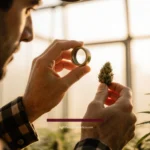
A pheno hunt means growing out a big batch of seeds from the same cross and hunting for the standout — the one plant with the loudest terps, the best structure, the heaviest frost. Some hunters prefer regular cannabis seeds for this, because a standout male is a find too: it becomes breeding stock. Feminized plants from one cross still vary, so a hunt works with them as well; you just won’t turn up a male. Our pheno hunting guide covers how to run one.
Fair warning: pheno hunting is a numbers game. Hunting through 20 regulars to find one keeper is not a project for a four-plant limit. If you’re capped, hunt small or don’t hunt at all.

Old and rare lines survive because someone grew regular cannabis seeds and made more. Feminized reproduction alone is a poor way to keep a line going. With no males, every generation comes from reversed females, and selfing them generation after generation causes problems. In a 2026 hemp study, every line selfed that long grew misformed flowers, hermaphrodite flowers included, from about the fourth generation on, and the authors list fixing a plant’s ability to make hermaphrodite flowers as a risk of inbreeding through females. Growers who keep heirloom and landrace genetics alive do it with males, females, and open pollination, then store the seed harvest properly.

Most home growers, honestly. If your goal is jars of flower — not seeds, not crosses, not a breeding project — regular cannabis seeds give you nothing but extra work and dead plant slots. Feminized seeds were invented precisely so you could skip the sexing and grow only what you harvest. That’s not cutting corners; it’s using the right tool.
The decision tree is simple. Want flower with the least hassle? Feminized or autoflower. Want to make your own seeds, hunt phenos at scale, or preserve a line? That’s regular territory. Still deciding what fits your setup? Start with How to Choose Cannabis Seeds.
Lighthouse Genetics sells feminized and autoflower seeds — no regulars in the current lineup, and that’s a deliberate call. We’ve found regular cannabis seeds cause more grief than they’re worth for most of our customers. New growers don’t always realize a regular seed’s sex is pure luck, so someone buys a pack hoping for flower and ends up with males they never wanted — and that’s a bad first experience we’d rather nobody have. Feminized seeds take that gamble off the table, so we leave regulars to the breeders and stock only what reliably gets a new grower to harvest.
None of that means the breeding goes away — it just happens before the seed reaches you. The work behind our original strains is the same kind of multi-generation selection described above. Blue Monkey Dick, Neptune’s Wedding, Acapulco Gold Skunk, Grape Skunk, and Frosted Grape Shoes were each bred through multiple generations of selection — the feminized packs are the finished, stabilized result of that work.
The same is true of the classics. A strain like White Widow exists because a breeder grew out seed, found a keeper, and worked with it. Even Gorilla Glue #4 started as an accidental pollination that somebody grew out and picked a keeper from. Both happened long before either strain reached a feminized pack. Buying feminized doesn’t mean skipping the breeding. It means somebody already did it for you.
Per seed, sometimes. Feminization adds a production step, but prices vary by breeder, so compare packs. Either way, price the females, not the seeds: if half a regular pack grows males you cull, the cost per harvested plant can land close to a feminized pack anyway.
You’ll hear growers claim regulars are hardier or less prone to hermaphroditism. Whether feminized seed herms more than regular seed hasn’t been tested; we found no study comparing them. Hermaphrodite flowers do have a genetic side (in hemp, repeated selfing raised misformed flowers, hermaphrodite flowers among them), so the breeding behind the seed matters more than the seed type. Our cannabis hermie guide covers what is known.
Yes. A plant grown from feminized seed is an ordinary female, so a male from regular seed can pollinate her like any other female. To breed with no male at all, you chemically reverse a female so she makes pollen, the same technique used to make most feminized seed. Traditional line breeding, with males selected alongside females, needs regular cannabis seeds.
Because for most of our customers they cause more problems than they solve. With regular cannabis seeds the sex is luck of the draw — a new grower can buy a pack expecting flower and end up with males they have to throw away. We’d rather not set anyone up for that, so we stock feminized and autoflower seeds and leave regulars to breeders who actually want the males.
Plan for half to be male, then add a margin. Need four females? Eight seeds give you four on average but only about a two-in-three chance of at least four; ten seeds raise that to better than four in five, and twelve to better than nine in ten, if every seed germinates. Our pack size guide walks through the math for different goals.
Regular cannabis seeds are the original format and still the foundation of all cannabis breeding — every strain you’ve ever smoked traces back to them. But foundation work is specialist work. If you’re breeding, pheno hunting, or preserving genetics, grow regulars and embrace the cull. If you’re growing flower for your own jars, buy feminized and spend your plant count on plants you’ll actually harvest.
Shop Feminized Seeds | Shop Autoflower Seeds | Cannabis Seed Generations Explained | Male vs Female Cannabis Plants
Keep reading
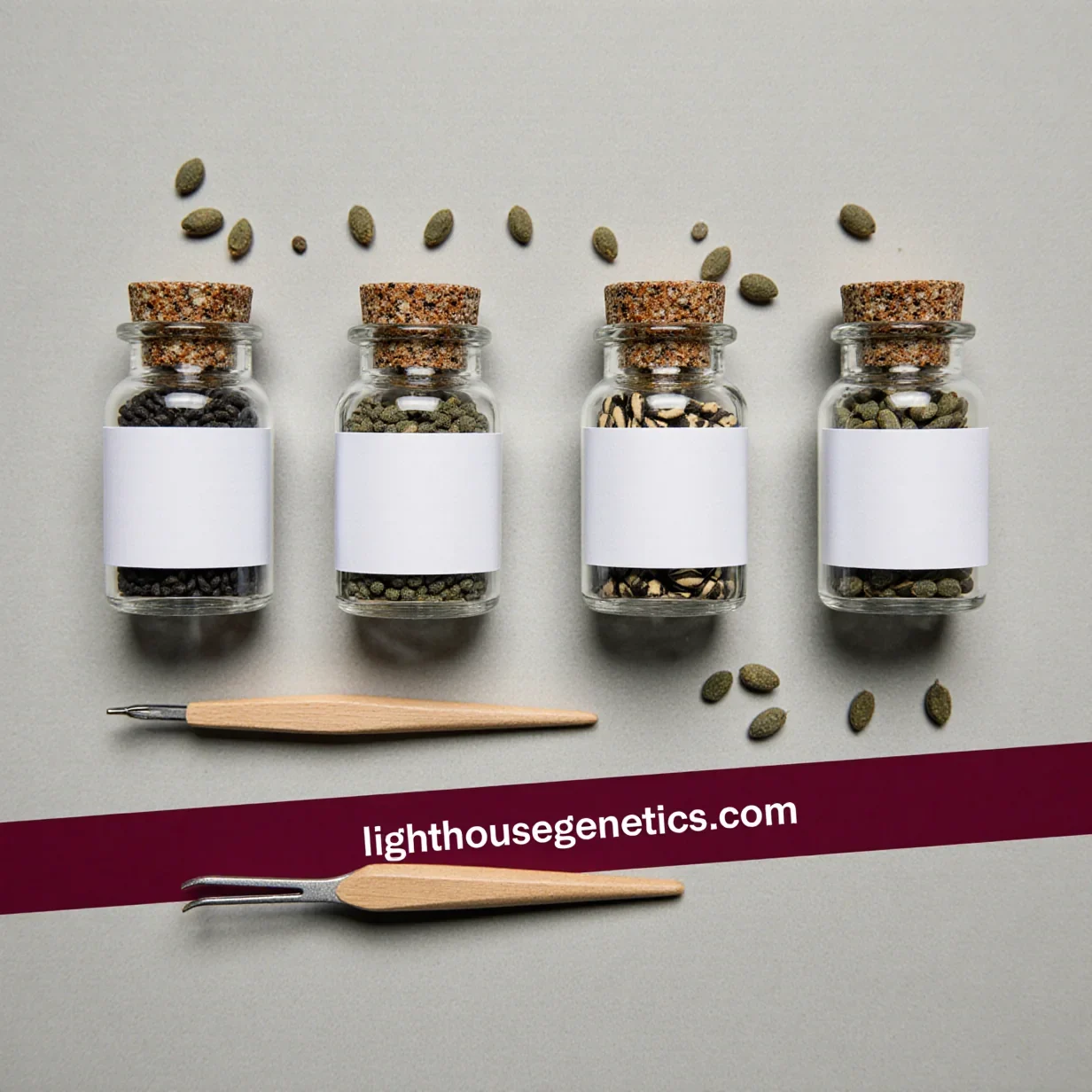 How to Choose Cannabis Seeds for Your Setup
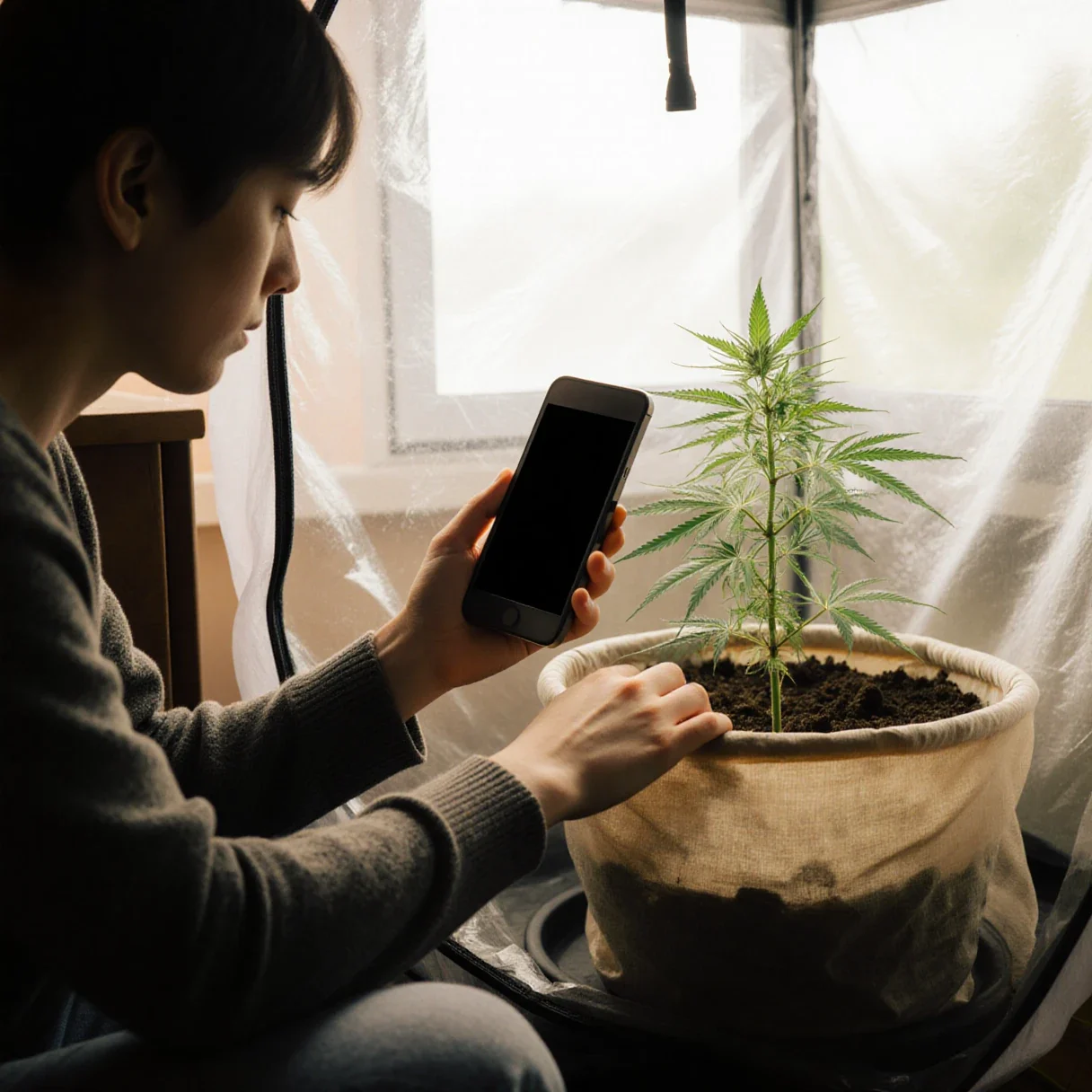 How to Read Cannabis Seed Descriptions
 How Many Cannabis Seeds Should You Buy? 3-Pack vs 5-Pack vs 10-Pack
Browse all our cannabis growing guides by topic, from germination to harvest.
Ready to grow? Browse premium seeds from Lighthouse Genetics:
Designed & Built by Wynne Web Design