Four plants. That is what Canadian law gives you — four cannabis plants per household, grown from legally purchased seeds. In California, four plants is a warm-up. In Canada, four plants is your entire season, and the country’s climate makes every one of them count.
The outdoor cannabis growing season in Canada is not like anywhere else. Most of this country gets its last spring frost sometime in May and its first fall frost by mid-September or early October. Everything you grow has to happen inside that window. Pick a strain that needs 12 weeks of flowering and you will spend October watching unfinished buds get hammered by cold rain and mould. Pick one that finishes in 7 weeks and you are pulling jars off the drying rack while your neighbours’ gardens are still going.
This guide is built around that reality. We grow in Ontario. We know what a September cold snap does to a plant that is three weeks from harvest. The advice here comes from dealing with short seasons, high humidity, and the annual race against frost — not from reading about it.
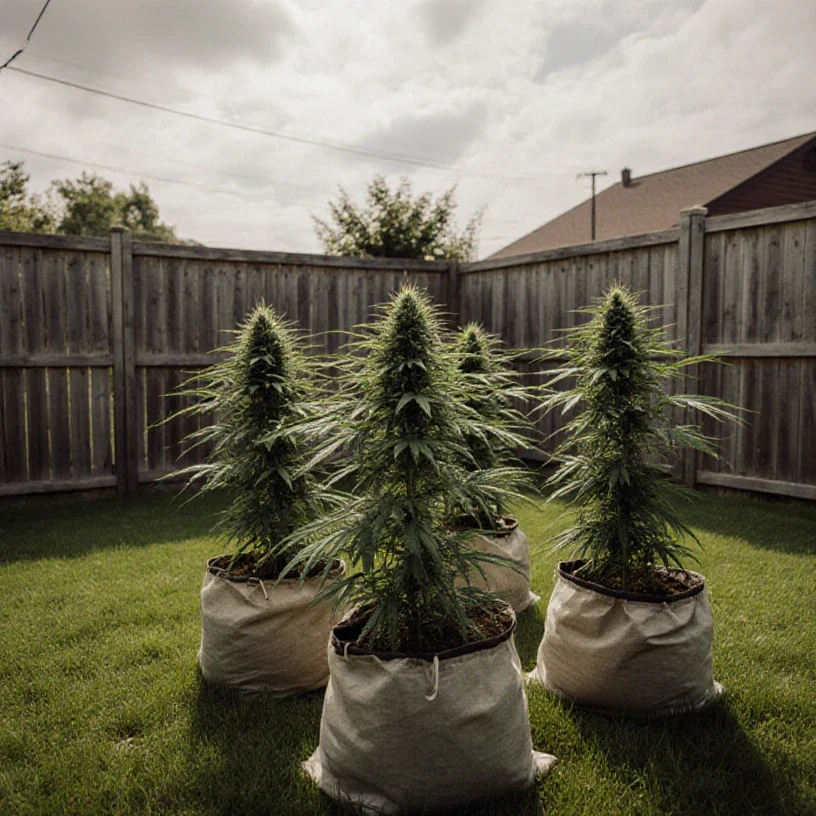
Under the Cannabis Act, every Canadian household can grow up to four plants. The seeds have to be legally purchased, and the plants should not be easily visible from public spaces. Most provinces follow the federal rules. Quebec and Manitoba have both attempted to ban home growing — courts have pushed back, but provincial regulations shift, so verify yours before planting.
If you rent, check your lease. Landlords and condo boards can restrict cultivation regardless of what federal law allows.
With only four spots available, choosing the wrong strain is expensive. Not in dollars — in time. A failed outdoor plant means you wasted one quarter of your legal growing capacity on something that never finished.
Cannabis cannot tolerate frost. A single night below 0°C will damage exposed flowers, and sustained temperatures under 10°C slow growth to almost nothing. Your outdoor season is the gap between your last spring frost and your first fall frost:
| Region | Last Spring Frost | First Fall Frost | Usable Season |
|---|---|---|---|
| Coastal BC (Vancouver, Victoria) | Late March – April | Late October – November | 6-7 months |
| Interior BC (Kamloops, Kelowna) | Late April – May | Late September – October | 5-6 months |
| Southern Alberta (Calgary) | Late May | Mid September | ~4 months |
| Prairies (Edmonton, Saskatoon, Winnipeg) | Mid–Late May | Mid–Late September | 4-4.5 months |
| Southern Ontario (Toronto, Hamilton, Niagara) | Early–Mid May | Early–Mid October | 5-5.5 months |
| Northern Ontario (Sudbury, Thunder Bay) | Late May – Early June | Mid September | 3.5-4 months |
| Southern Quebec (Montreal, Quebec City) | Mid May | Early–Mid October | 5 months |
| Atlantic Canada (Halifax, Fredericton, St. John’s) | Mid–Late May | Late September – October | 4-5 months |
| Northern Canada (Whitehorse, Yellowknife) | Late May – June | Late August – September | 3-3.5 months |
These are averages. In a bad year, a late frost in early June or an early freeze in mid-September cuts weeks off your window. The growers who consistently succeed plan for the short end of the range.
The country breaks into three tiers. Tier 1 is coastal BC — the longest season, the mildest climate, almost anything works. Tier 2 is southern Ontario, southern Quebec, interior BC, and Atlantic Canada — five months of growing, enough for fast-flowering photoperiod strains and all autoflowers. Tier 3 is the prairies, northern Ontario, and the territories — under four months, autoflowers or nothing.
Coastal BC — Vancouver, Victoria, the Island — is the closest thing Canada has to a Mediterranean growing climate. You can put plants outside in April, and long-flowering sativas that would never finish anywhere else in the country will wrap up comfortably before the first frost in late October. The main risk is not cold but rain. Fall rain soaks buds and invites mould, so even with a long season, cover your plants or choose mould-resistant strains going into October.
Interior BC is a different grow. The Okanagan and Kamloops corridor gets hot, dry summers — excellent for cannabis — but fall arrives weeks earlier than on the coast. Late-summer wildfire smoke can also reduce light intensity during critical flowering weeks. Stick to strains that flower in under 9 weeks, or run autoflowers to sidestep the timing risk entirely.
Alberta is short-season territory. Calgary growers realistically have from early June through mid-September — about 3.5 months. Chinook winds in spring can push temperatures to 15°C in March, tempting you to plant early. Do not fall for it. A late May frost will kill anything you put out.
The upside: Alberta is dry. Bud rot is rare here because the humidity that drives it barely exists on the prairies. Your main enemy is time, not moisture. Southern Alberta sits in Canada’s hail belt — a summer hailstorm can shred a plant in minutes. If you can rig a cover, do it. Autoflowers are the practical choice for most Alberta outdoor growers.
Saskatchewan is flat, windy, and short-season. The wind never stops on the prairies, and it will snap branches on tall, unprotected plants. Stake or cage everything — this is not optional. The good news is that Saskatchewan summers are hot and sunny with low humidity, which cannabis loves and mould does not. Your limiting factor is the calendar: plant in late May, harvest by mid-September, and run autoflowers to make the math work.
Manitoba’s season is similar to Saskatchewan’s, but Winnipeg and southern Manitoba pick up slightly more humidity from Lake Winnipeg and Lake Manitoba. That means you get a small mould risk that Saskatchewan growers do not. The season is still short — roughly late May to mid-September — and autoflowers are the safe call. If you try a photoperiod strain, Super Skunk at 6-7 weeks flowering is one of the few that can realistically finish before the first frost shuts things down.
Southern Ontario — everything south of Barrie — is some of the best territory for growing cannabis outdoors in Canada and the home base for Lighthouse Genetics. The season runs from mid-May through early October, five months or better. That is enough for most feminized photoperiod strains with flowering times under 9 or 10 weeks.
The catch is September. The Great Lakes pump moisture into the air right when your plants are deep into flower, and that is when botrytis moves in. Dense, tightly-packed indica buds are the most vulnerable. If you are growing photoperiod strains in Ontario, pay attention to bud density and mould resistance — or finish before September turns ugly by running autoflowers alongside your photoperiod plants.
Northern Ontario — Sudbury, Thunder Bay, Sault Ste. Marie — is a different climate entirely. Treat it like the prairies: 3.5 to 4 months of usable season, autoflowers as the primary option, and the fastest-finishing feminized strains if you want to push it.
Southern Quebec’s climate mirrors southern Ontario. Montreal growers get a solid five-month season with similar humidity challenges in September. The same advice applies: fast-flowering feminized strains or autoflowers, and watch the moisture late in the year.
Quebec’s home cultivation rules have changed more than once. Before you plant, check the current provincial regulations — the legal situation here has been less stable than in other provinces.
New Brunswick has a decent-length season — roughly late May through late September — but the Bay of Fundy and the Atlantic coast bring fog and persistent humidity. Mould pressure is higher here than in Ontario or Quebec, and it starts earlier. Choose strains with open, airy bud structures over dense indicas. Autoflowers that finish in July or August dodge the worst of the fall moisture entirely.
Nova Scotia is cool, humid, and windy — especially along the coast. Halifax gets fog regularly, and salt air adds another stress that inland growers never deal with. The season length is reasonable (roughly five months around Halifax) but the moisture is relentless. Mould resistance is the most important trait to select for here, even more than flowering speed. Coastal growers should also stake plants against the wind and consider a sheltered spot — a south-facing wall or fence line that blocks the prevailing ocean breeze.
PEI is small, flat, and surrounded by water. Wind and salt spray are constant near the coast. The season is moderate — similar to New Brunswick — but the maritime air keeps temperatures cool even in summer, which slows vegetative growth compared to warmer provinces. Autoflowers handle PEI’s conditions well because they do not rely on the hot, long veg period that photoperiod plants need to build size. Grow in a sheltered spot and expect to fight moisture, not heat.
These are two very different climates under one provincial name. The island of Newfoundland — St. John’s, Corner Brook — has a maritime climate: cool, wet, and famously foggy. St. John’s is one of the foggiest cities in the world, and that moisture sits on buds all season. Mould-resistant autoflowers are the safest option on the island. The season runs roughly late May to late September, but the cool temperatures and constant fog mean plants grow slower than the frost dates suggest.
Labrador is subarctic. Happy Valley-Goose Bay gets a frost-free window of about three months. Growing conditions here are closer to the Yukon than to St. John’s. Autoflowers only — and the fastest ones you can find.
If you are growing above the 60th parallel, your frost-free season is extremely short, but you get nearly 24 hours of daylight in midsummer. That constant light is a gift for autoflowers — they grow fast and do not care about day length. Photoperiod plants are a different problem: they need shortened days to trigger flowering, and the days do not get short enough until late August, when it is already getting cold.
Autoflowers are the only practical choice this far north. Skunk #1 Autoflower finishes in 45 to 55 days — plant it when the ground thaws and harvest before the nights turn cold. AK-59 Autoflower at 5 to 7 weeks is another option that can run its entire life cycle during the brief northern summer.
Every experienced outdoor grower in Canada starts seeds indoors. Dropping a seed directly into the ground on the Victoria Day long weekend and hoping for a finished harvest by early October is a gamble you do not need to take.
Start seeds inside in late March or April. A south-facing window works. A basic LED grow light works better. Grow your seedlings in small pots for four to six weeks, then transplant outside once overnight lows stay above 10°C. That head start gives your plants a month of growth before they touch outdoor soil — and in a country where every week matters, that month is the difference between finishing and not finishing.
If you have not germinated seeds before, we have a step-by-step walkthrough: A Simple Guide to Germinating Cannabis Seeds.
Autoflower growers can skip the indoor start and direct-sow in late May. Most autos are fast enough that the head start is helpful but not critical.
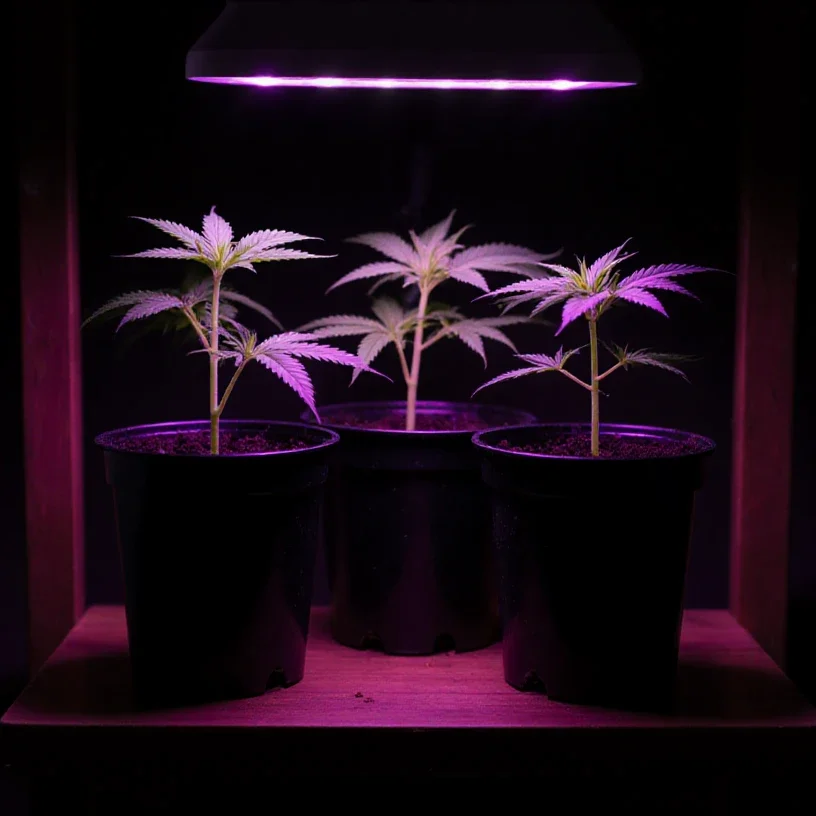
If you are in Tier 3 — prairies, northern Ontario, Labrador, the territories — grow autoflowers. There is no debate. Photoperiod plants need shortened autumn days to trigger flowering, and by the time the days get short enough in these regions, you are already fighting frost.
If you are in Tier 2, you have a real choice. Feminized photoperiod strains work outdoors in southern Ontario and Quebec as long as you choose varieties that flower in 9 weeks or less. The plants veg naturally under the long summer days, begin flowering in early to mid-August as daylight drops below 14 hours, and finish by late September or early October.
A lot of Canadian growers run both. Two autoflowers and two feminized plants. The autos come down in August, giving you something to smoke while the photoperiod plants finish through September. Smart use of that four-plant limit.
We wrote a full breakdown of the two seed types: Autoflower vs Feminized Seeds: Which Should You Grow?
If you are growing cannabis outdoors in Canada, strain choice is where your season is won or lost. The strains below are picked for one reason: they finish in time. They are organized by how fast they get the job done, with autoflowers and feminized mixed together — because outdoors in Canada, finishing speed matters more than seed type.
Skunk #1 Autoflower finishes in 45 to 55 days from seed. That is the fastest strain in our catalog. Continental climate rated, easy difficulty. If you are growing north of Sudbury or anywhere in Tier 3, this is where you start.
AK-59 Autoflower runs 5 to 7 weeks. Another speed option with temperate climate genetics and easy difficulty. Super Skunk Feminized flowers in 6 to 7 weeks — the fastest feminized option we carry. If you want a photoperiod plant on the prairies, this is about the only one that gives you a real cushion against early frost.
California Hash Plant Feminized finishes flowering in about 7 weeks and is rated for all climates, including cold. If you want a photoperiod strain that does not blink at Canadian fall weather, this is a safe pick.
Green Crack Autoflower is done in 7 to 8 weeks with energizing sativa-leaning effects and easy difficulty. Kush XL Autoflower runs the same timeframe with a heavier indica lean. Both are temperate-rated and forgiving for newer growers — good picks if you are on your first grow.
Afghani Feminized flowers in 7 to 8 weeks. Landrace indica genetics from the mountains of Afghanistan — these plants evolved in cold, harsh conditions. They handle cool Canadian nights without flinching. Sugar Black Rose Feminized runs a similar window with dense, colourful buds — just watch the bud density in humid maritime or Great Lakes climates.
White Widow Autoflower finishes in 8 to 9 weeks, stays compact at 50 to 80 cm, and is rated specifically for resilient and temperate climates. Lighthouse Genetics converted this one to auto in-house. Fat Bastard Autoflower is another strong option here — rated for all climates, easy difficulty, and one of the most adaptable autoflowers for unpredictable Canadian weather.
Grape Skunk Feminized needs 8 to 10 weeks of flowering. It is a Lighthouse Genetics original — Mac Budz bred this strain in Ontario, in Canadian outdoor conditions. Continental climate rated, easy difficulty. For growers in southern Ontario, southern Quebec, or BC, this strain was literally developed for your climate.
Northern Lights Skunk Feminized flowers in 8 to 9 weeks with temperate climate genetics, easy difficulty, and heavy yields. Alaskan Thunder Fuck Feminized runs 8 to 10 weeks and is one of the few strains specifically rated for cool climates — the genetics come from Alaska.
Avoid anything that needs more than 10 weeks of flowering unless you are in coastal BC. A Columbian Gold with its 10 to 12 week flowering time and tropical climate preference has no business being planted outdoors in Saskatoon.
Browse all 27 autoflower seeds | Browse all 57 feminized seeds
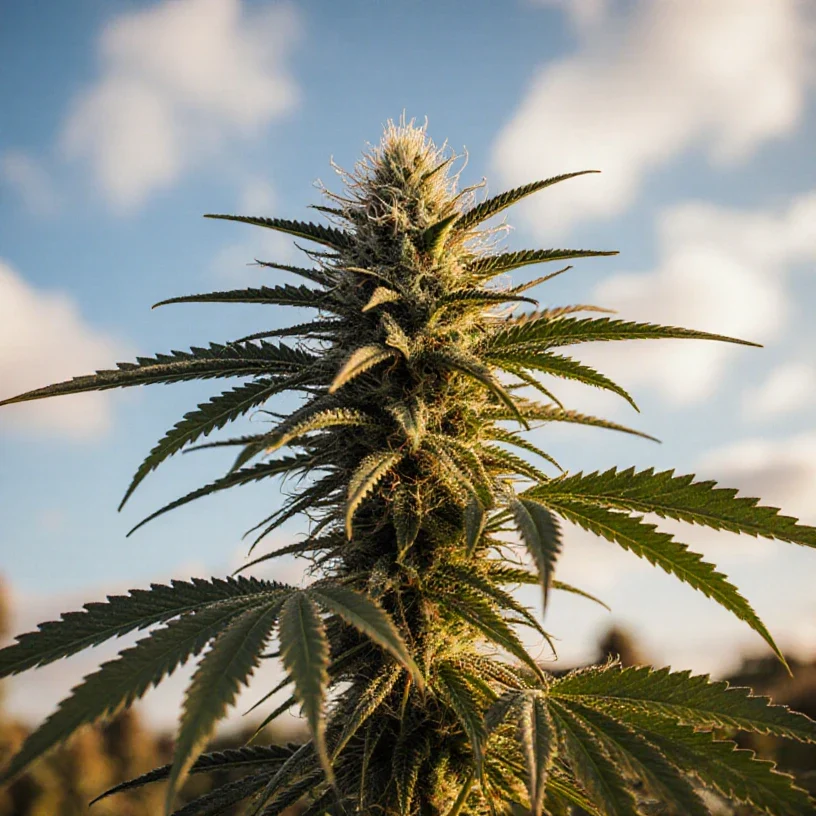
If your grow survives until September, congratulations — now the hard part starts.
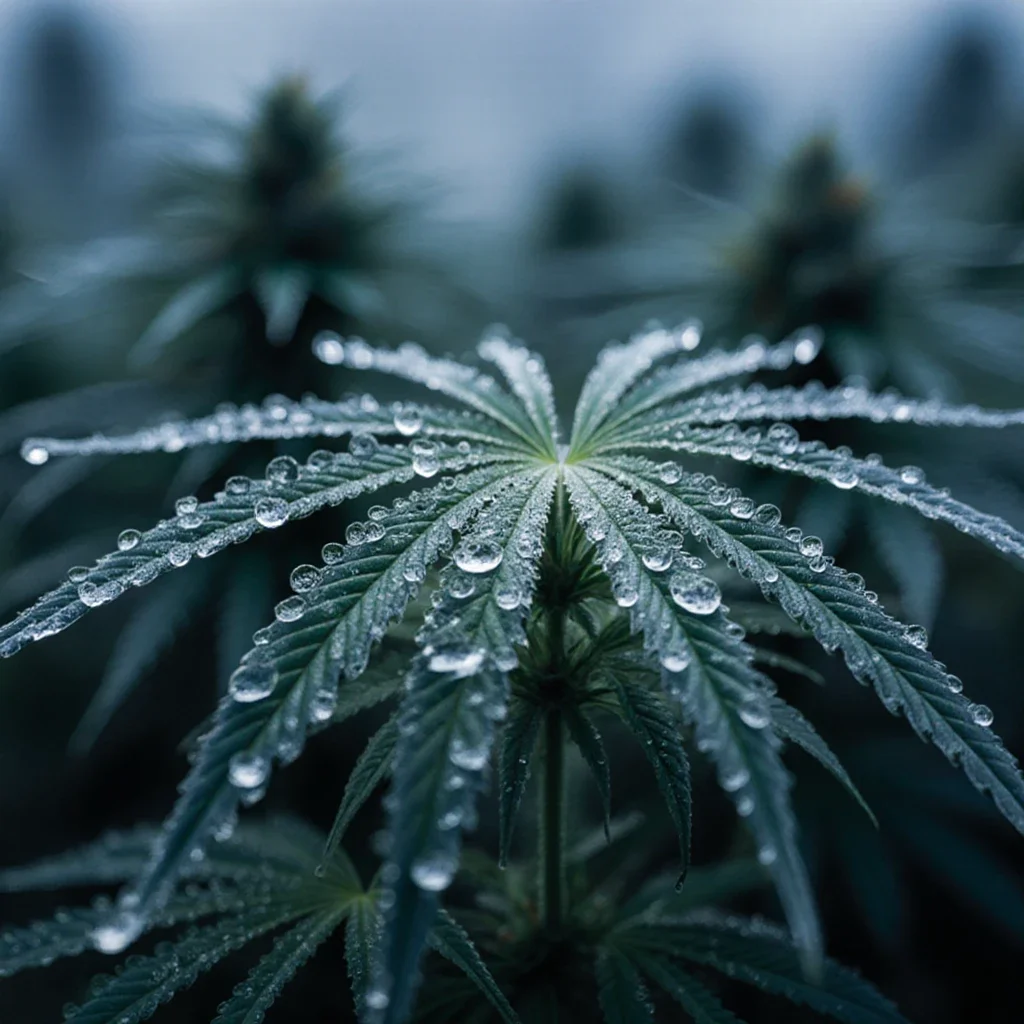
Nights get cold. Dew settles on the plants every morning. The Great Lakes and maritime coasts pump humidity into the air right when your buds are fattest and densest. This is when botrytis — bud rot — moves in. It starts inside tight buds where moisture gets trapped, and by the time you see grey fuzz on the outside, the inside of that cola is already ruined.
What actually works:
If you want to skip the September stress entirely, grow autoflowers. A Skunk #1 Autoflower planted at the end of May is done by late July. You harvest in summer, dry in August, and watch September happen from the comfort of having finished buds already cured and jarred.
This calendar is based on southern Ontario. Coastal BC growers can start a month earlier. Prairie and northern growers, push everything two to three weeks later and lean on autoflowers.
| Month | What Is Happening |
|---|---|
| March–April | Germinate seeds indoors. Grow seedlings under a window or basic light. Build root systems in small pots. |
| May | Harden off seedlings — outside for a few hours daily, increasing over a week. Transplant after last frost (mid to late May). Direct-sow autoflowers after the long weekend. |
| June | Vegetative growth takes off. 15+ hours of daylight drives rapid development. Top and train photoperiod plants. Autoflowers planted in May start flowering by month’s end. |
| July | Peak veg for photoperiod plants — they drink heavily. First autoflower buds are fattening. Watch for pests (caterpillars, aphids, spider mites). Second autoflower round can go in early July. |
| August | Photoperiod plants start flowering as daylight drops below 14 hours. First autoflower harvest. Switch nutrients from nitrogen to phosphorus and potassium. |
| September | Mould watch. Defoliate, shake dew, cover if possible. Second autoflower harvest. Late-month: 8-week strains are approaching harvest — check trichomes with a loupe. |
| October | Harvest photoperiod plants before mid-month. Watch the forecast daily — chop before hard frost. Dry at 15-21°C, 55-65% humidity. Patience during the cure makes better flower than anything you did during the grow. |
For a deeper walkthrough from seed to harvest, see our full growing guide. And if you want to squeeze more out of your four plants, maximizing yield in cannabis covers the training and feeding techniques that make the biggest difference outdoors.
After the last frost — mid to late May for southern Ontario. Most growers use the Victoria Day weekend as their marker. But start your seeds indoors 4 to 6 weeks before that. A seedling transplanted outside in late May with a month of indoor growth behind it will outperform a seed planted directly in the ground every time.
Only if you choose the fastest-flowering options and accept the risk. Super Skunk at 6-7 weeks flowering is about the limit. Most prairie growers run autoflowers because a 3.5-month outdoor window does not leave room for error with photoperiod timing.
Depends where you are. In Ontario, Quebec, and the maritimes, mould. September humidity rots buds from the inside before frost even arrives. On the prairies, frost — the season just ends. In both cases, the fix is the same: grow strains that finish fast enough to avoid the problem entirely.
A single well-grown feminized photoperiod plant outdoors can produce 400 grams or more of dried flower. Four of them, properly tended from May through October, can yield over a kilogram. That is not a hobby amount — that is a year’s personal supply from your backyard. Big Bud Feminized and Northern Lights Skunk Feminized are two of the heaviest producers in our catalog for outdoor growers who want to maximise those four spots.
Growing cannabis outdoors in Canada is a shorter, harder game than growing in warmer climates. But it is a game you can win — and legally, with seeds shipped to your door. The growers who do well up here are the ones who match their strains to their frost dates, start seeds indoors, and respect what September can do to unfinished buds.
Know your season. Pick strains that finish inside it. Give them a head start indoors. And if you are anywhere north of Barrie, make peace with autoflowers — they were built for this.
Shop All Seeds | Autoflower vs Feminized Guide | Best Strains for Beginners | Full Growing Guide
Ready to grow? Browse premium seeds from Lighthouse Genetics:
Designed & Built by Wynne Web Design