If you are buying cannabis seeds for the first time, the choice between autoflower and feminized seeds is probably the biggest decision you will make before your first plant hits soil. Both produce female plants. Both can deliver excellent harvests. But they grow in fundamentally different ways, and picking the wrong type for your setup can mean months of frustration.
This guide breaks down every meaningful difference between autoflower and feminized photoperiod seeds â yield, potency, growing difficulty, harvest timing, and cost â so you can choose with confidence. We will also recommend specific strains from our catalog for each growing situation.
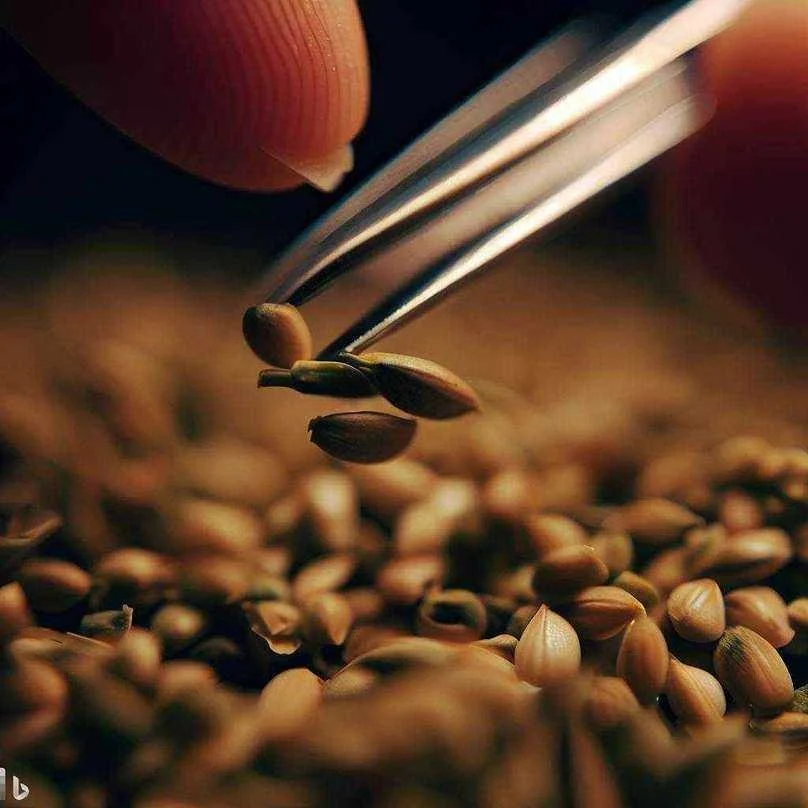
Feminized seeds (also called feminized photoperiod seeds) produce female cannabis plants that rely on light cycles to trigger flowering. During the vegetative stage, these plants grow under 18 or more hours of light per day. When you reduce light to 12 hours on, 12 hours off â either by changing your indoor timer or waiting for the autumn equinox outdoors â the plant switches from growing leaves and branches to producing flowers.
This light-dependent flowering is why feminized seeds are also called “photoperiod” seeds. You control when flowering starts, which means you control how big the plant gets before it begins producing buds. A grower who wants a small plant can flip to 12/12 after just three or four weeks of vegetative growth. A grower who wants a large plant can veg for eight weeks or longer, building a bigger frame that supports more bud sites.
That control is the core advantage of feminized photoperiod seeds. It is also why experienced growers and commercial operations tend to prefer them.
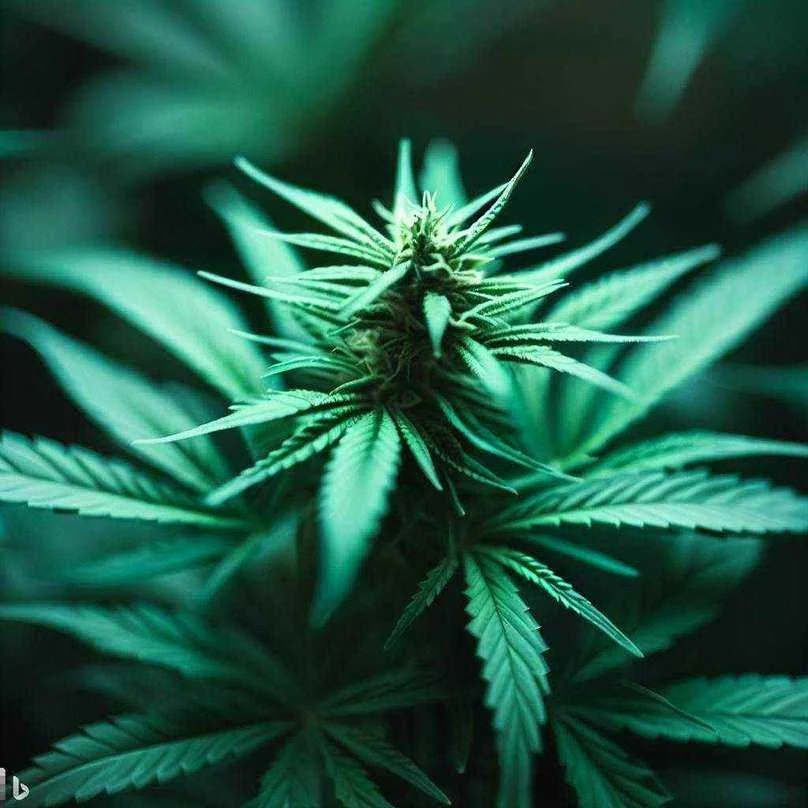
Autoflower seeds produce female plants that flower based on age, not light. They contain genetics from Cannabis ruderalis, a subspecies that evolved in northern climates (Russia, Central Asia) where summers are short and unpredictable. Ruderalis adapted by flowering automatically after a few weeks of growth, regardless of how many hours of light it received.
Modern autoflowers are a far cry from the low-potency ruderalis plants of 20 years ago. Breeders have crossed ruderalis with high-quality indica and sativa genetics over many generations, keeping the automatic flowering trait while dramatically improving potency, yield, and flavor. Today’s best autoflowers test above 20% THC and produce harvests that rival small photoperiod plants.
Autoflowers typically begin flowering around weeks three to four from germination, with no change in light schedule required. Most are ready to harvest in 8 to 12 weeks from seed â total. That speed is their defining advantage.
| Factor | Feminized (Photoperiod) | Autoflower |
|---|---|---|
| Flowering trigger | 12/12 light cycle | Automatic (age-based) |
| Seed to harvest | 4-6+ months | 8-12 weeks |
| Yield per plant | Higher (400-600+ g/m2 indoor) | Moderate (300-500 g/m2 indoor) |
| THC potential | Up to 30%+ | Up to 25%+ (modern autos) |
| Plant height | 60-200+ cm (grower-controlled) | 50-120 cm (genetics-controlled) |
| Light schedule | 18/6 veg, 12/12 flower | 18/6 or 20/4 entire cycle |
| Grow difficulty | Moderate | Easy to moderate |
| Training | All methods (top, LST, SCROG, mainline) | LST only (low-stress) |
| Cloning | Yes | No (not practical) |
| Harvests per outdoor season | 1 | 2-3 |
| Best for | Experienced growers, max yield, training | Beginners, speed, stealth, cold climates |
Feminized photoperiod seeds are the better choice when you want maximum control over your grow and the highest possible yields. Here is when they make the most sense:

Because you control the length of the vegetative phase, feminized plants can grow much larger than autoflowers. A feminized Jack Herer vegged for six weeks indoors can easily fill a 4×4 tent and produce significantly more dried flower than an autoflower in the same space. If you are growing Canada’s legal limit of four plants and want to maximize what those four plants produce, feminized seeds give you the most flower per plant.
Topping, super cropping, SCROG nets, mainlining â all of these advanced training techniques work best with feminized photoperiod plants because you have time. You can top a plant, wait for it to recover, train the new growth, and only flip to flower once the canopy is exactly how you want it. Autoflowers do not give you that luxury. Their short veg window means high-stress techniques can stunt growth and cost you yield.
If you find a standout phenotype â say a Grape Skunk that produces exceptional terpenes â you can take cuttings and run that exact plant indefinitely. Cloning does not work with autoflowers because clones inherit the mother’s internal clock and begin flowering immediately, producing tiny plants with minimal yield.
If you live somewhere with a growing season that runs into October â southern Ontario, British Columbia, or anywhere south of the 45th parallel â feminized photoperiod seeds let your plants reach full size before autumn triggers flowering naturally. A feminized Neptune’s Wedding or Frosted Grape Shoes grown outdoors from May through October can become a substantial plant that produces far more than any autoflower.
Autoflower seeds shine in situations where speed, simplicity, or stealth matter more than raw yield numbers. Here is when they are the smarter pick:
Autoflowers remove the most common beginner mistake: messing up the light schedule. There is no 12/12 switch to time, no risk of light leaks causing hermaphroditism, and no confusion about when flowering starts. You plant the seed, give it light, water, and nutrients, and the plant handles the rest. Green Crack Autoflower and White Widow Autoflower are both rated easy to grow and finish in 8-9 weeks â a great first experience.
Canadian growers north of the Great Lakes know the reality: the outdoor season is short, frost comes early, and September humidity brings mold pressure. Autoflowers solve this by finishing in summer, well before the risky autumn weeks. You can start autoflowers outdoors in June and harvest by August, completely avoiding the mold and frost window that threatens photoperiod plants. Some growers run two rounds â one planted in May, harvested in July; another planted in July, harvested in September.
Most autoflowers stay under 100 cm tall. White Widow Autoflower tops out at 50-80 cm. Do-Si-Dos Autoflower stays compact at 60-80 cm. If you are growing in a small tent, a closet, or on a balcony, autoflowers fit where feminized photoperiod plants may not â especially sativa-dominant strains that can stretch to 200 cm during flowering.
From seed to dried, cured flower in under three months. That is the autoflower promise. If you want to test a strain quickly, fill a gap between photoperiod harvests, or simply do not want to wait five months for a single crop, autoflowers deliver. Green Crack Autoflower finishes in 7-8 weeks â you could grow three full cycles in the time it takes one feminized plant to reach harvest.
Small plants attract less attention. Autoflowers stay compact, finish fast, and do not require light deprivation setups outdoors. For growers who value discretion â apartment balconies, small backyards â autoflowers keep a low profile.
Browse all 27 autoflower seeds
This is the question everyone asks, and the honest answer is: the gap is smaller than it used to be, but it still exists.
A well-grown feminized photoperiod plant indoors typically yields 400-600 grams per square meter, depending on the strain, light quality, and how long you veg. The same space planted with autoflowers typically yields 300-500 grams per square meter.
But yield per square meter does not tell the whole story. Factor in time:
The math changes based on your priorities. If you want the most flower from a single harvest, feminized wins. If you want the most flower per year from the same space, autoflowers can compete â especially with modern high-yielding genetics.
Ten years ago, yes. Modern autoflowers have closed that gap significantly. Many of today’s autoflower strains test between 18-25% THC, which puts them in the same range as most feminized photoperiod strains.
The highest-testing strains on the market â 28%+ THC â are still predominantly photoperiod genetics. But for the vast majority of home growers, the potency difference between a good autoflower and a good feminized strain is negligible.
What matters more than the auto/photo distinction is the quality of the genetics themselves. A well-bred autoflower from stabilized genetics will outperform a poorly-bred photoperiod strain every time.
Whether you choose autoflower or feminized, the consistency of your results depends heavily on the stability of the genetics. Seeds from unstabilized crosses (F1 hybrids) produce plants with wide phenotype variation â one seed might grow tall, another short, and a third might have completely different terpenes. That unpredictability is frustrating, especially when you are limited to four plants.
At Lighthouse Genetics, Mac Budz takes every strain through multiple generations of selection â F2, F3, F4 and beyond â to lock in traits before releasing seeds. That means when you plant a pack of Monkey Dick Autoflower or Grape Skunk Feminized, you get consistent plants that perform the way the description says they will. Stable genetics matter more than auto vs feminized â they are the foundation everything else is built on.
We have a full article on this topic: Why Seed Generations Matter.
Answer these questions honestly:
Yes, with one important caveat. Indoors, autoflowers run best under 18-20 hours of light for the entire cycle. Feminized plants need 12 hours of uninterrupted darkness to flower. You cannot run both on the same light schedule in the same tent during flowering.
The workaround: run autoflowers in the same tent as feminized plants during the veg phase (both do well under 18/6). When it is time to flip to 12/12 for the feminized plants, move any remaining autoflowers to a separate space with their own 18/6 light â or accept that the autoflowers will get slightly less light during the feminized flowering period. Autoflowers will still produce under 12/12, just with somewhat reduced yields compared to 18/6 or 20/4.
Outdoors, both types grow side by side with no conflict. Autoflowers will finish first while feminized plants continue growing until autumn triggers their flowering.
Yes. Almost all autoflower seeds sold today are feminized autoflowers â meaning they produce female plants and flower automatically. You get both benefits: no male plants to remove, and no light schedule to manage. When a seed bank lists “autoflower seeds,” they are feminized unless specifically stated otherwise.
Per plant, yes â autoflowers generally yield less than a fully vegged feminized plant. But per year, the gap narrows because autoflowers grow faster. Two autoflower cycles in the time of one feminized cycle can match or exceed the total harvest.
It is possible but risky. Topping is a high-stress technique that requires recovery time, and autoflowers have a short vegetative window. If the plant does not recover quickly, you lose yield instead of gaining it. Most experienced autoflower growers prefer low-stress training (LST) â bending and tying branches to open up the canopy without cutting the plant.
Most growers run autoflowers under 18 hours of light and 6 hours of dark (18/6) from seed to harvest. Some push to 20/4. Running 24/0 (lights on all the time) is debated â the extra light can increase yield slightly, but plants benefit from a rest period. We recommend 18/6 as the balanced option.
Feminized seeds produce female plants in about 99% of cases. The feminization process is highly reliable, but environmental stress (light leaks, heat, nutrient problems) can occasionally trigger a plant to produce male flowers (hermaphroditism). This is true of both feminized and autoflower seeds. Maintaining a stable grow environment is the best prevention.
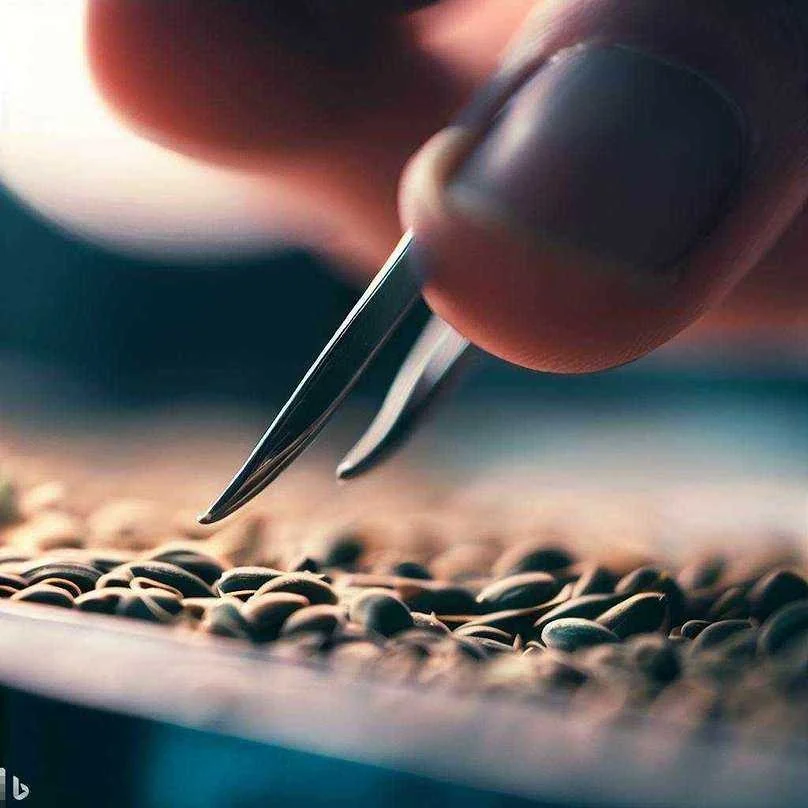
There is no universally “better” seed type â only the right type for your situation. Autoflower seeds are the faster, simpler path. Feminized photoperiod seeds give you more control and higher yield ceilings. Many experienced growers use both, running autoflowers for quick harvests between photoperiod cycles or outdoors alongside a main feminized crop.
Start where you are. If you have never grown before, autoflower seeds will get you from seed to harvest with the fewest complications. If you have grown before and want to push yields and techniques, feminized photoperiod seeds are where the craft really opens up.
Either way, start with stable genetics from a breeder who does the work. It makes every other decision easier.
Shop All Seeds | How to Germinate Your Seeds | Full Growing Guide
Ready to grow? Browse premium seeds from Lighthouse Genetics:
Designed & Built by Wynne Web Design